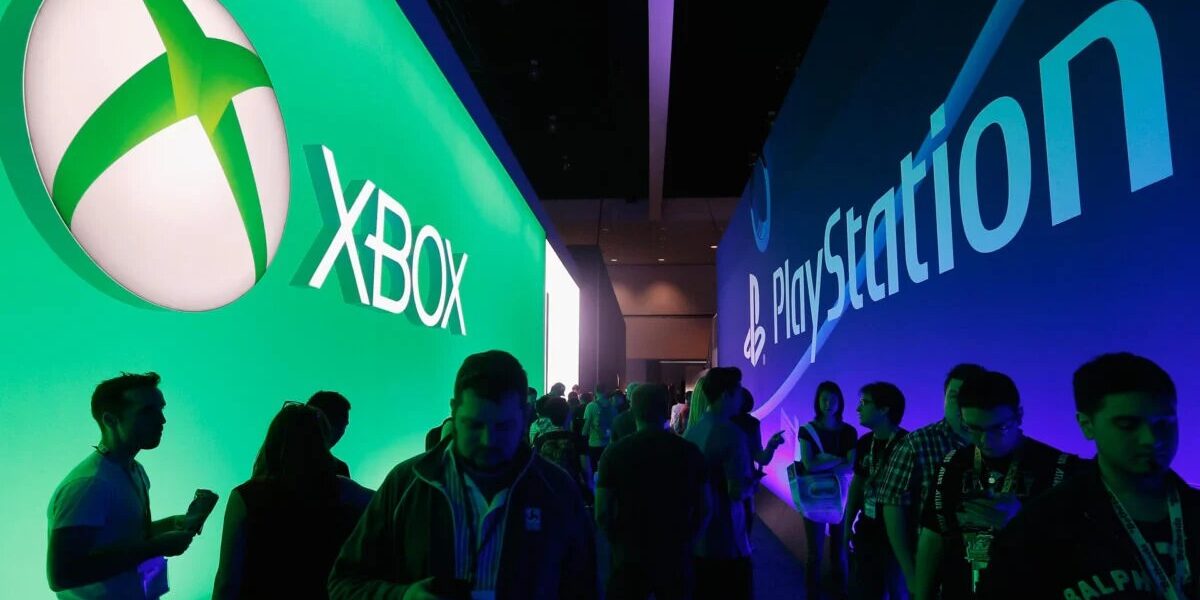
The next generation of consoles is looming, but a new report paints a potentially grim picture for Sony and Microsoft. If the PlayStation 6 and Xbox’s codenamed “Project Helix” are priced at a staggering $1,000, analysts predict a significant drop in sales and player engagement. This isn’t just about price; it’s about accessibility and the very nature of console gaming.
The Price of Progress: A Looming Crisis?
A recent report by Ampere Analysis highlights the potential pitfalls of high-priced consoles. Piers Harding-Rolls, senior research director at Ampere, warns that “the economics of console gaming have changed significantly.” If Sony and Microsoft opt for conventionally designed, incrementally improved consoles priced at $1,000, they risk alienating a large segment of the gaming audience. The report suggests a potential 38 percent reduction in the install base for the next generation if prices remain exorbitant.
This isn’t just about fewer consoles sold; it’s also about player spending. The forecast predicts a roughly 12-percent drop in player spending over the first three years of the next console generation, translating to a staggering $3.4 billion loss. This money would otherwise be spent on games, subscriptions, and microtransactions.
Three Paths Forward: Innovation or Disaster?
Ampere outlines three potential strategies for Sony and Microsoft to avoid this scenario. The first is a delay – pushing back the launch of the PS6 and Project Helix until component costs potentially decrease. This is a risky gamble, relying on market forces beyond their control.
The second option involves aggressive hardware subsidies. Essentially, both companies would absorb the higher costs to maintain a healthy install base and encourage adoption. This would require significant financial investment and could impact profitability.
Finally, Ampere suggests “substantial innovation” rather than simply relying on raw processing power to drive graphical fidelity. This could involve exploring new gaming experiences, unique hardware features, or even cloud-based solutions. However, this approach carries its own set of challenges, requiring significant research and development efforts.
The Nintendo Factor: A Lesson in Accessibility
It seems unlikely that either Sony or Microsoft will embrace these strategies wholeheartedly. Hoping for a magical drop in component prices after 2028 is a risky proposition, and overhauling hardware already in the design phase to prioritize cost savings could compromise performance and features.
However, there’s a silver lining: both console giants will face pressure from Nintendo’s upcoming Switch 2. Nintendo has consistently prioritized innovation over raw power, resulting in an affordable console that hasn’t compromised on game quality. This approach has proven successful, and Sony and Microsoft would be wise to take note.
The next few years will be crucial for the future of console gaming. Will Sony and Microsoft learn from Nintendo’s success and prioritize accessibility? Or will they risk alienating a large segment of the market with exorbitant prices?






Comments
Be the first to comment.