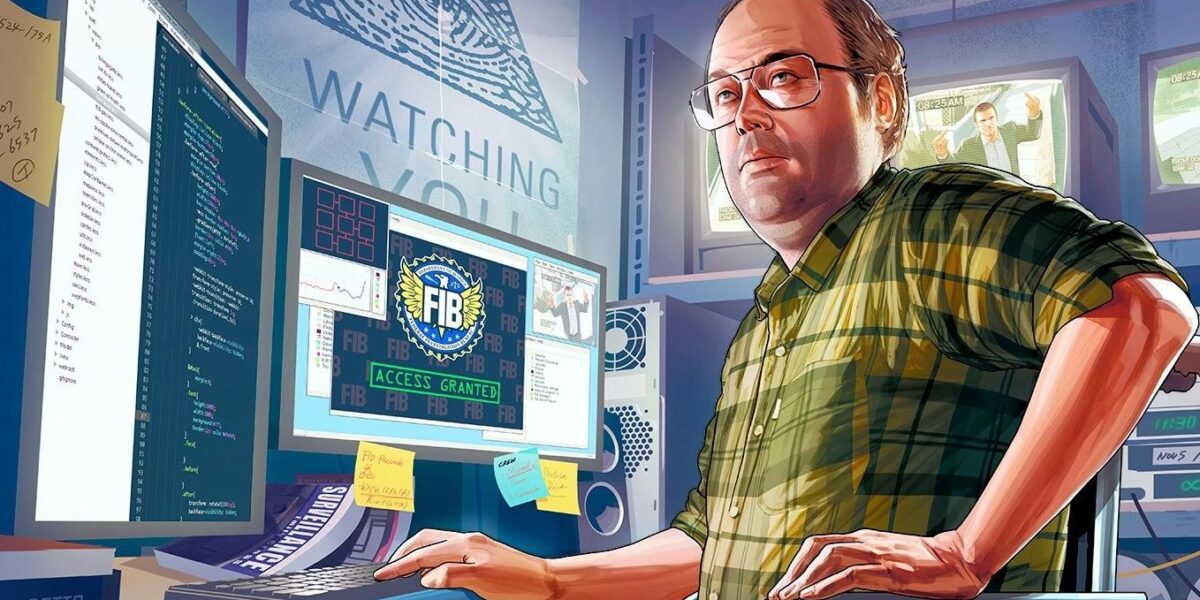
In a surprising twist, Dicken, formerly the head of AI at gaming giant Take-Two Interactive (the parent company of Rockstar Games and Gearbox Software), is expressing skepticism about the hype surrounding generative AI in game development. After leaving his role just a year after joining, Dicken’s perspective offers a critical look at the promises and pitfalls of this rapidly evolving technology.
The Skeptic Within
While many developers are scrambling to integrate AI into their workflows, Dicken’s experience paints a more nuanced picture. He acknowledges the potential benefits but cautions against blindly embracing generative AI as a solution for every problem. His concerns echo those of other industry veterans who question whether the technology lives up to its lofty claims.
One major concern is the perception among creatives, particularly after incidents like the controversy surrounding (caption: The AI placeholder incident sparked debate about authorial intent in game development). Dicken highlights that many see generative AI as a shortcut that undermines intentionality and authorial control. He also points out the disconnect between online sentiment and the broader gaming audience, noting that Western audiences tend to be more critical of generative AI than those in Asia.
Beyond the Hype: Productivity and Practicality
Dicken’s skepticism extends to the practical application of AI in game development. He questions the purported productivity gains, particularly in areas like coding, where AI tools are gaining traction. While some tout the ability of tools like Claude Code to dramatically increase engineer output, Dicken emphasizes the need for objective data and cautions against relying solely on anecdotal evidence.
“I often see people throwing around, like, oh, my engineers are 100x engineers because of Claude Code … [but] individuals are not necessarily reliable narrators of what the impact is, so you need to be quantifying objectively, and very few people want to run those case studies,” he explains. He also raises a valid point about the dangers of vendor lock-in when relying heavily on AI-powered tools.
The Gold Rush Mentality
Perhaps Dicken’s most insightful observation is his critique of the “gold rush” mentality surrounding generative AI. He argues that companies promoting these technologies are often more interested in generating hype than providing genuine solutions. He draws a parallel to other technological fads, warning against blindly adopting tools without considering their long-term implications.
“If any of this shit actually did what people are billing it as, they would not be talking about it,” Dicken says. “These would be protected like the crown jewels and Fort Knox combined … It’s like the guy sat here telling you that there’s a gold rush going and you need to get in on the gold rush, buy my pickaxe. The guy should be selling you the gold if he’s actually got the gold.”
This sentiment is particularly relevant given recent industry events, such as the looming “bubble” situation that caused concern among Palantir employees. Dicken also draws a direct comparison to the controversy surrounding Unity Technologies’ runtime fee policy, warning that the gaming industry could be sleepwalking into a similar predicament.
A Measured Approach
Despite his skepticism, Dicken acknowledges that generative AI has the potential to impact game development in the long term. He believes that it will likely evolve alongside existing tools and workflows, rather than causing a complete upheaval of the industry. He also emphasizes the importance of aligning technology with the fundamental design principles of each game.
“There is a fundamental thesis to a game, and what you put into that game needs to align with that thesis,” he explains. “Examples where this goes wrong, Dicken adds, “is just shoving stuff in to tick the finance earnings call investor box, rather than trying to build the best damn thing you can build that’s going to earn the most money, because it’s building something that people want.”
Ultimately, Dicken’s perspective offers a valuable reminder that technology should serve the creative process, not dictate it. His insights encourage developers to approach generative AI with caution, critical thinking, and a focus on delivering exceptional gaming experiences.
2026 games
: All the upcoming games
Best PC games
: Our all-time favorites
Free PC games
: Freebie fest
Best FPS games
: Finest gunplay
Best RPGs
: Grand adventures
Best co-op games
: Better together
Source: PC Gamer





Comments
Be the first to comment.