The video game industry, seemingly riding high just months ago, has hit a significant speed bump. New data from Circana reveals that total video game spending in the US experienced a sharp decline in July, marking one of its worst-performing months ever. While the reasons are complex, ranging from hardware price hikes to shifting consumer preferences, the numbers paint a clear picture: the gaming landscape is evolving.
Hardware Woes and Shifting Priorities
The most immediate impact is felt in hardware sales. Driven by persistent component shortages and increased manufacturing costs, PS5 and Xbox Series X/S consoles have seen their prices creep upwards. This price sensitivity has taken a toll on consumer spending, with July 2026 marking the lowest hardware sales figures since 2020. “July video game hardware spending fell 29% when compared to a year ago, to $282 million, the lowest total for a July month since 2020 ($163 million),” explained Mat Piscatella, senior director of Video Games at Circana. Unit sales across all console platforms took a hit, with PlayStation 5 down 6%, Xbox Series dropping 18%, and Switch 2 experiencing a more substantial decline of 51%. The average selling price of new hardware jumped by a significant 16%, reaching $542.
Despite the overall downturn, the Nintendo Switch 2 continues to show remarkable staying power, outselling even the original Switch by 11% over the same period. This suggests a continued demand for Nintendo’s unique gaming experience, even amidst rising prices and increased competition.
Content Consumption Adapts
The shift isn’t just about hardware; it’s also impacting how we consume games. Spending on content fell 9% year-over-year, driven primarily by a decline in mobile game spending. Console and PC game purchases also saw a decrease, indicating a broader trend of consumers reevaluating their gaming habits.
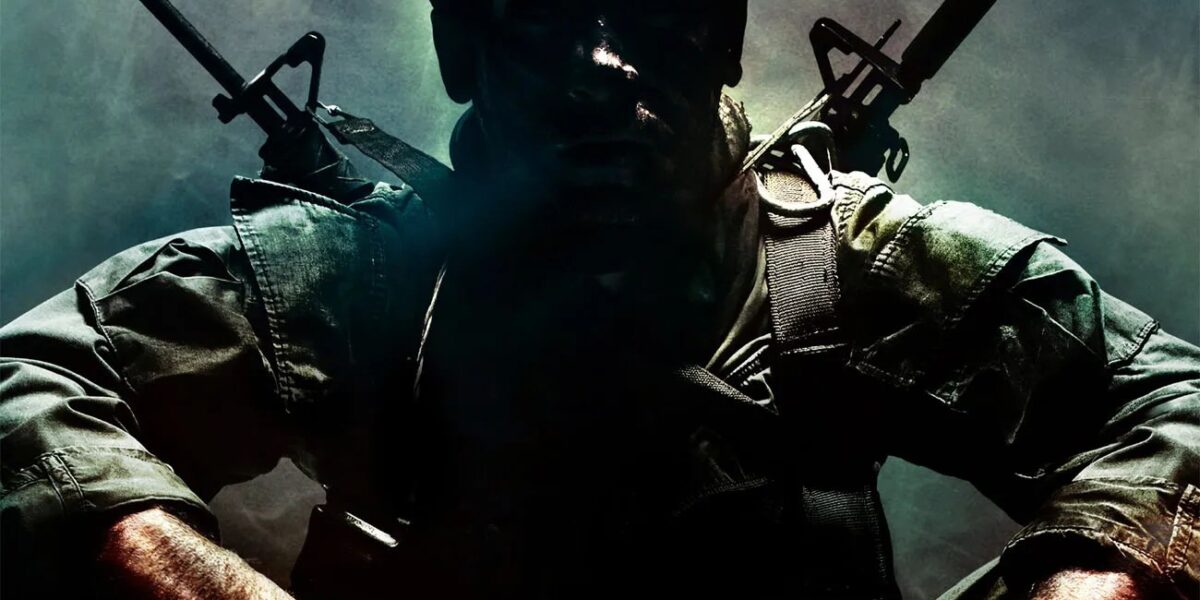
Despite the overall dip, certain titles managed to stand out. “Call of Duty: Black Ops 2” topped the charts for dollar sales, likely boosted by a recent PS5/PS4 port and its predecessor’s continued popularity. EA Sports College Football 27 secured the second spot in full-game dollar sales, demonstrating the enduring appeal of sports titles. And, as always, “Monopoly Go,” fueled by a clever crossover with The Simpsons, dominated consumer spending through microtransactions.
Even free-to-play games are feeling the impact. “Pokemon Go,” celebrating its 10th anniversary, experienced a massive surge in popularity, climbing to third place on the charts thanks to Niantic’s celebratory events and real-world activations. Bryan Isagholian from Sensor Tower noted that revenue rose an impressive +230% month-over-month.
Resident Evil Requiem remains the best-selling game in the US for 2026, but its reign may be short-lived as we approach the holiday season. The usual suspects – sports games like NBA 2K27 and AAA blockbusters like Call of Duty – are poised to challenge its position. And, adding another layer of anticipation, early sales for GTA 6 are looking incredibly strong, reportedly generating $400 million before its November launch.
The top-selling games in July 2026 (based on combined physical and full-game digital dollar sales) reflect this dynamic landscape:
1. Call of Duty: Black Ops 2
2. EA Sports College Football 27
3. Assassin’s Creed: Black Flag: Resynced
4. EA Sports MVP Bundle (2026)
5. Call of Duty: Black Ops
6. Halo: Campaign Evolved
7. Splatoon Raiders
8. Echoes of Aincrad: Sword Art Online
9. Tomodachi Life: Living the Dream
10. 007 First Light
Looking at year-to-date sales, “Resident Evil: Requiem” still holds the top spot, but the competition is fierce. The data suggests a period of adjustment within the gaming industry, as consumers navigate rising prices, evolving content offerings, and the ever-present allure of new releases.



Comments
Be the first to comment.