
Bill Watterson’s Calvin and Hobbes is a timeless classic, beloved for its imaginative adventures and philosophical musings. While the strip primarily focuses on the boundless energy of Calvin and his stuffed tiger, Hobbes, it occasionally offers glimpses into the lives of Calvin’s parents. These fleeting moments, though seemingly minor, often contain surprisingly insightful commentary on work, ambition, and the struggle to find meaning in everyday life.
The Reluctant Patent Attorney
In Calvin and Hobbes, we only get a few brief glimpses into what Calvin’s parents do when their son isn’t wreaking havoc. Watterson revealed in the Calvin and Hobbes 10th-anniversary collection that Calvin’s father is a patent attorney, mirroring Watterson’s own father’s profession. However, there’s only one strip that explicitly mentions this, leaving much of Calvin’s dad’s work life shrouded in mystery.

Calvin’s dad, a patent attorney, often finds himself overwhelmed by the chaos that follows him home.
A Glimpse into the Workday
Naturally, Calvin and Hobbes is primarily focused on Calvin and his world. While there are occasional strips featuring other characters, the strip rarely deviates from its central focus for long. Consequently, any jokes about Calvin’s father’s office life or his attitude towards work tend to be subtle and fleeting.
Calvin’s dad, a patent attorney, often finds himself overwhelmed by the chaos that follows him home.
The “Quiet Protest” Strip
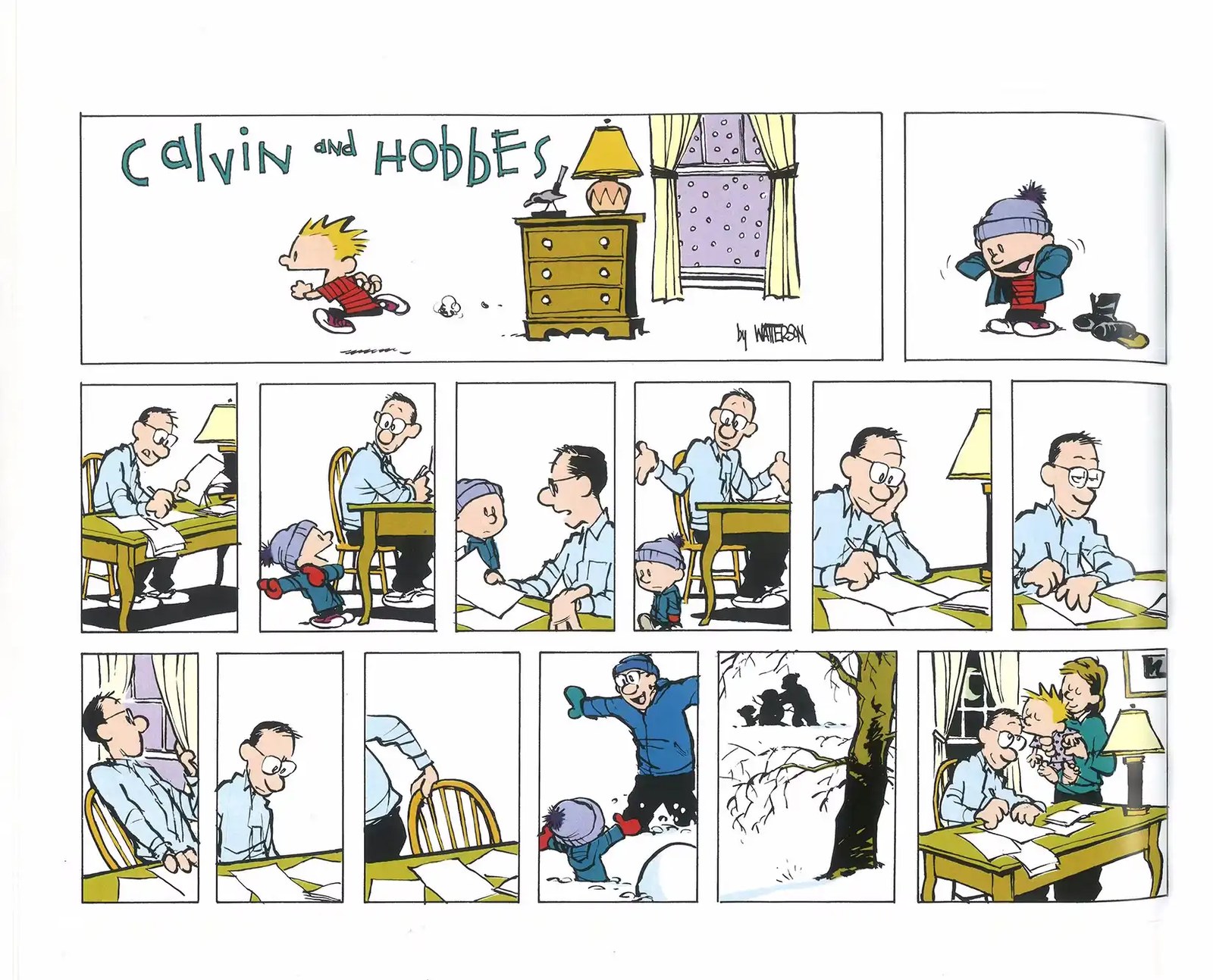
Despite the strip’s focus on childhood adventures, Watterson occasionally shines a spotlight on Calvin’s father and his relationship with work. One particular strip, published on January 14, 1990, resonates deeply with modern audiences, offering a surprisingly prescient commentary on “quiet quitting.” This strip, arguably, is the ’90s equivalent of a viral meme.

This classic strip captures the universal feeling that some days, work just isn’t worth it.
The Reluctant Commercialization
In retrospect, this strip is one of several in the final year of Calvin and Hobbes’ original run that can be interpreted as a form of quiet protest. Universal Press Syndicate, the distributor of the comic, repeatedly attempted to persuade Watterson to expand the franchise through merchandise, cartoons, and toys. However, Watterson steadfastly refused, arguing that such commercialization would compromise the strip’s artistic integrity.
Watterson believed that Calvin and Hobbes should exist solely on the printed page, maintaining its purity and avoiding dilution through other mediums. This commitment to artistic freedom ultimately led to a protracted legal battle for control of the Calvin and Hobbes intellectual property, which Watterson eventually won.
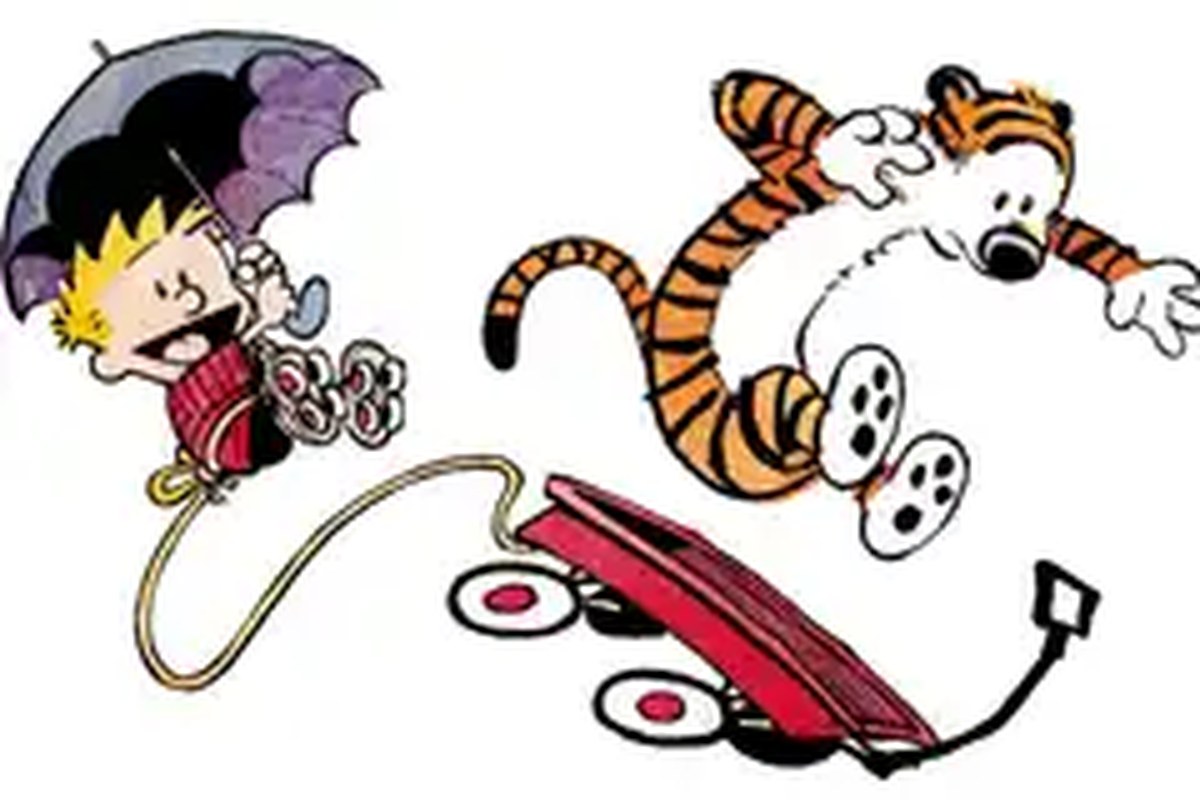
As a result, almost all merchandise associated with Calvin and Hobbes is either fan-made or unauthorized. To this day, there’s very little official merchandise available, a testament to Watterson’s unwavering principles.
Subtle Rebellion
If you were simply reading the daily Calvin and Hobbes strip back then, you might not have noticed any of this behind-the-scenes drama. However, if you revisit the final two years of the comic with knowledge of Watterson’s conflict with Universal, you can find subtle jokes at their expense.
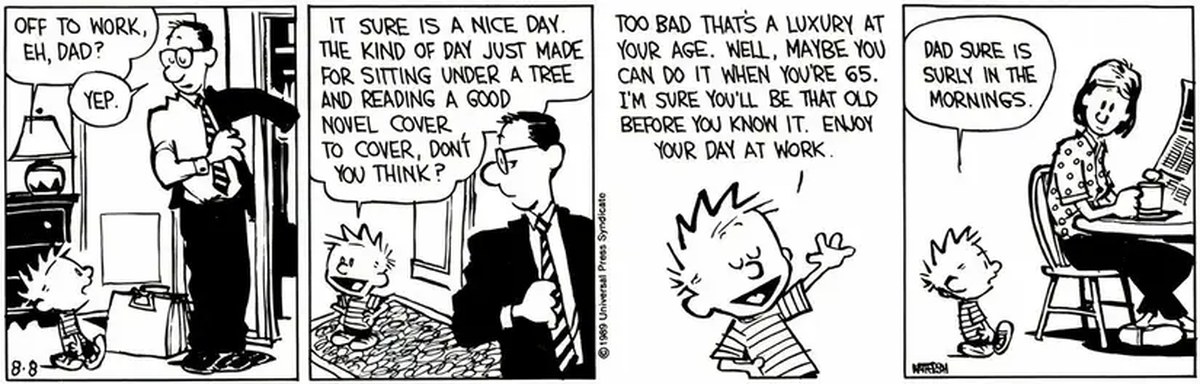
Ultimately, regardless of the context, the August 8, 1994 strip, like so much of Calvin and Hobbes, has aged beautifully. It remains funny because it speaks to a universal truth: some days, work just isn’t worth it. This sentiment resonates deeply with anyone who has ever felt the pull between obligation and personal fulfillment.






Comments
Be the first to comment.