
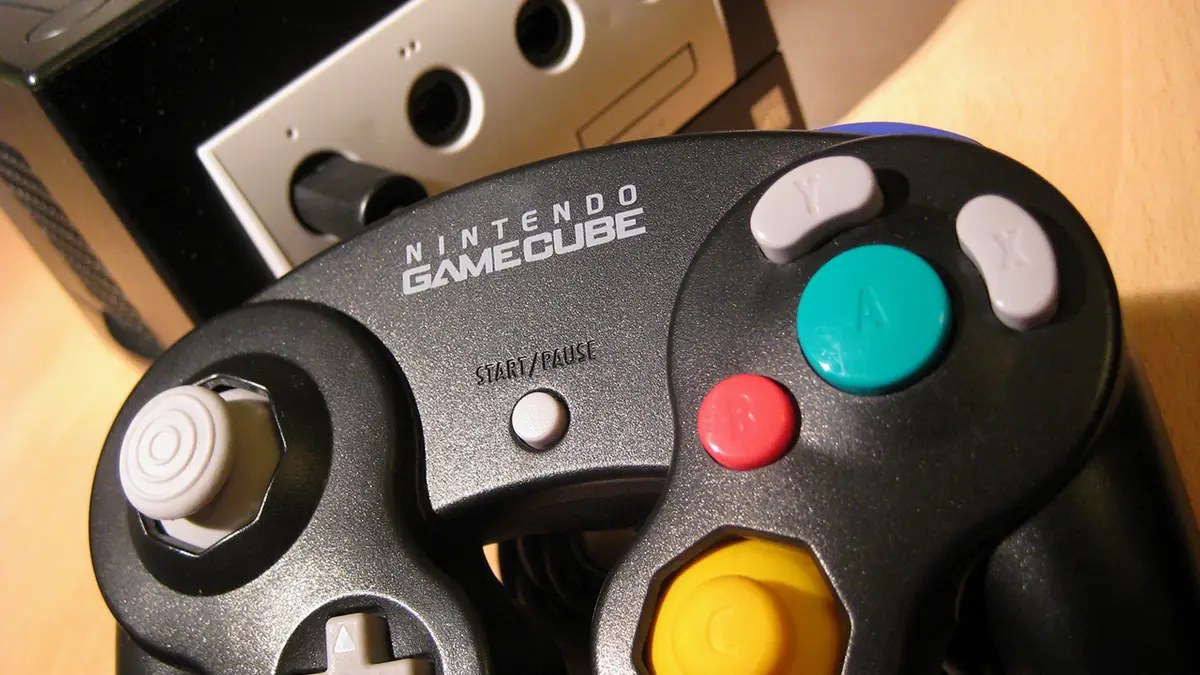
The Nintendo GameCube may be more than two decades old, but its library still holds countless overlooked gems that deserve attention today. As the final console where Nintendo prioritized competing on technical specifications against rivals—shipping everything in a distinctive purple box complete with a handle—the hardware produced some of the best games of its era. Yet many of those titles slipped under the radar when they launched, and there is no compelling reason besides acquisition cost that modern players cannot rectify that oversight now.
A fresh look at the console’s catalog reveals ten near-perfect GameCube games that barely registered with audiences in their time but remain genuinely worth playing. From inventive puzzle platformers to underrated shooters and bizarre voice-controlled arcade titles, these selections offer experiences that have yet to find their rightful audience.
An Unforgettable Hardware That Shaped Its Library
The GameCube represented a fascinating moment in Nintendo’s history, when the company committed fully to a hardware arms race with competitors like Sony and Microsoft. The result was a machine capable of delivering some of the most memorable games of its generation, even if those titles never achieved mainstream recognition. Today, collectors and newcomers alike can revisit these hidden treasures, whether through original hardware or modern emulation options.
Billy Hatcher and Gotcha Force: Puzzle and Shooter Oddities
Billy Hatcher and the Giant Egg arrived on September 23, 2003, published by Sega. The game was included on the Nintendo GameCube Preview Disc distributed during the 2003 holiday season, but that exposure never translated into critical success for Sega. Developed by Sonic Team, it featured unique mechanics that felt like they might have fit naturally in a Sonic Adventure title. Players moved giant eggs around while completing missions and avoiding hazards throughout puzzling stages, delivering a fun experience when approached with the right mindset.
Similarly overlooked was Gotcha Force, released November 27, 2003 by Capcom. Despite Capcom’s tremendous success on the platform, this title slipped under the radar despite offering compelling 3D shooting action. Players worked through its lengthy campaign multiple times to unlock a massive fighting force of well-armed toys, which they pitted against squads controlled by up to three other players. While the arcade stylings aren’t for everyone and the camera could have used refinement, fans of competitive titles like Power Stone will find plenty to enjoy.
RPGs That Deserved Greater Recognition
Before From Software became known for Dark Souls, it developed a number of interesting projects across various genres. One such title, Lost Kingdoms, launched in Japan as Rune before arriving on the GameCube on April 25, 2002 via Activision. Players guided a determined protagonist named Katia through a fog-covered fantasy kingdom, battling monsters with skills drawn from her magical deck of cards. The visuals were impressive for the time, and the real-time card-based combat encouraged fresh approaches compared to traditional titles. Card modification added another compelling layer, though despite inspiring a 2003 sequel, the series never gained lasting momentum.

Baten Kaitos: Eternal Wings and the Lost Ocean, published by Namco on November 16, 2004, offered yet another overlooked RPG gem. Co-developed by Monolith Soft and tri-Crescendo, it combined an epic story with beautiful visuals and complex turn-based battles incorporating collectible cards. For genre enthusiasts, it stood as one of the meatiest and prettiest options on the platform. Happily, both this title and its prequel, Baten Kaitos Origins, remain accessible today after being updated and released in 2023 as Baten Kaitos 1 & 2 HD Remaster on Nintendo Switch, with a Windows PC version arriving in 2024.
Bizarre Experiments That Pushed Boundaries
If you ever played pinball and wished it were cooler if you could knock it around a battlefield you controlled with your voice, Odama delivers exactly that. Released March 31, 2006 by Nintendo, the unique experience was made possible by a special microphone peripheral packaged in the box. Players shouted orders to their forces while using the standard controller to activate giant flippers and interact with the mythical Odama, an enormous ball that brought vengeance upon feudal enemies. Yoot Saito, best known for Seaman, served as producer.
Cubivore: Survival of the Fittest, published by Atlus on February 21, 2002, offers another truly unique experience. Nintendo originally planned to publish it in North America but changed its mind, allowing Atlus to step in—though this meant a small print run that made the title one of the most expensive to acquire second-hand. Players control a cube-shaped critter that consumes other monsters to develop useful mutations for survival. Smart players advance through careful decisions about how they evolve their monster, with an additional mating mechanic potentially producing offspring with desirable capabilities.
Louder Yet Unheard Voices
The GameCube’s catalog also housed titles like Skies of Arcadia Legends, Custom Robo, Chibi-Robo!, and Geist—each offering distinctive experiences that never reached the mainstream. Skies of Arcadia Legends, released December 26, 2002 by Sega, brought superior content to the platform compared to its Dreamcast predecessor, though it remains unavailable on more recent hardware. Custom Robo (March 4, 2004) and Chibi-Robo! (June 23, 2005 in Japan) showcased Nintendo’s willingness to support unconventional franchises, while Geist (August 15, 2005) pushed boundaries with its M-rated possession mechanics.
The GameCube remains a treasure trove of creative experimentation, proving that not every great game needs mass-market success to be worth discovering. These overlooked titles offer experiences you simply cannot find elsewhere on the platform.
Gamer24h Editorial Team
Community interest in these hidden gems has grown considerably over time, with collectors willing to pay premium prices for rare physical copies and newcomers discovering them through modern emulation options. Several titles remain accessible today: Chibi-Robo! is available through Nintendo Switch Online, making it convenient for players wanting to try it out on newer hardware.
Looking Ahead
As collectors continue hunting down these rare physical releases and digital re-releases like the Baten Kaitos HD Remaster bring new audiences to classic titles, the GameCube’s overlooked masterpieces are finally receiving the attention they deserve. Whether through original hardware, emulation, or modern remasters, players now have more ways than ever to experience these near-perfect games that time forgot—proving that some of Nintendo’s most creative work deserves a second look regardless of its original commercial performance.























1 comment