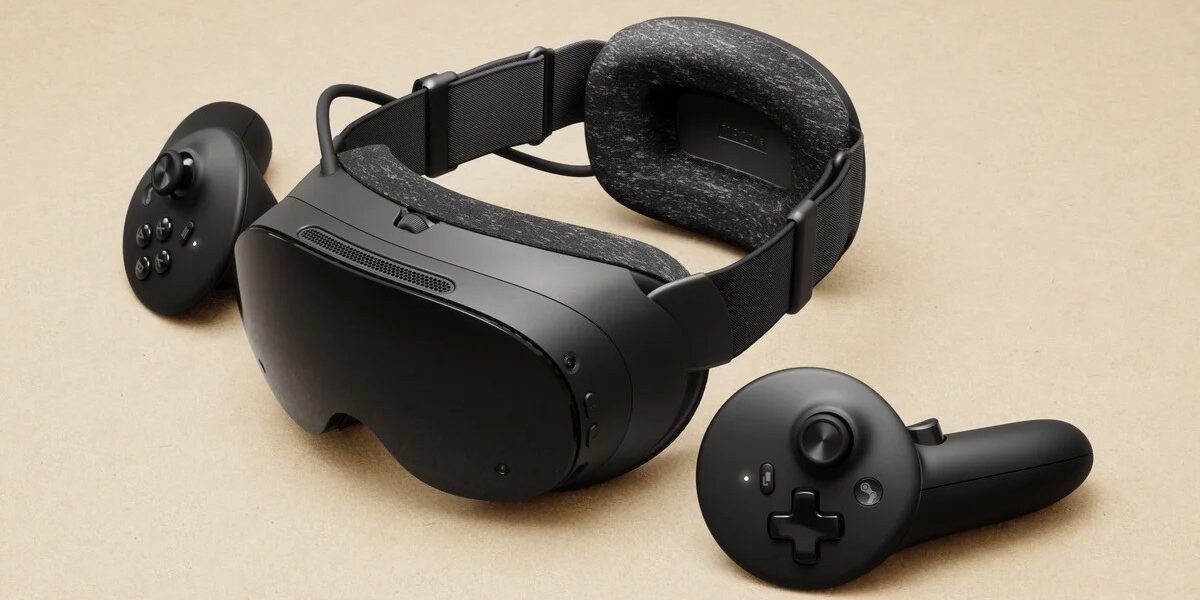
After years of speculation and 10 months since its official unveiling, Valve has confirmed that its long-awaited standalone VR headset, the Steam Frame, is set to begin shipping today, with a starting price of £889. The announcement marks Valve’s first consumer VR headset since the Index launched in 2019, and it introduces on-device tracking, lighter weight, improved displays, and the ability to stream PC games directly into virtual reality — all packaged around the company’s signature Steam ecosystem.
The Frame represents a deliberate pivot for Valve toward standalone hardware rather than its traditional PC-tethered approach. Unlike the Index, which relied on external base stations for positional tracking, the Steam Frame handles movement and position tracking entirely on-device, freeing users from a room of sensors. The headset also features upgraded screens and a substantially reduced weight compared to its predecessor, addressing two of the most common complaints about earlier VR hardware.
While some reviewers have noted that the Frame’s improvements are less dramatic than those found in more modern consumer headsets like Meta’s Quest 3, Valve has positioned the device as a purpose-built platform for PC gaming rather than a general-purpose standalone. The company has made clear that its priority is delivering a seamless VR experience for Steam library titles, with streaming handled through a dedicated dongle included in every box.
A Price Tag That Sparks Debate
The most significant element of today’s announcement is undoubtedly the pricing. Valve has confirmed that customers can purchase a Frame with 256GB of storage for £889/€1,049/$1,059 USD — roughly £340 more than a comparable Meta Quest 3 with 512GB of storage. The larger 1TB model is priced at £1,089/€1,279/$1,299.
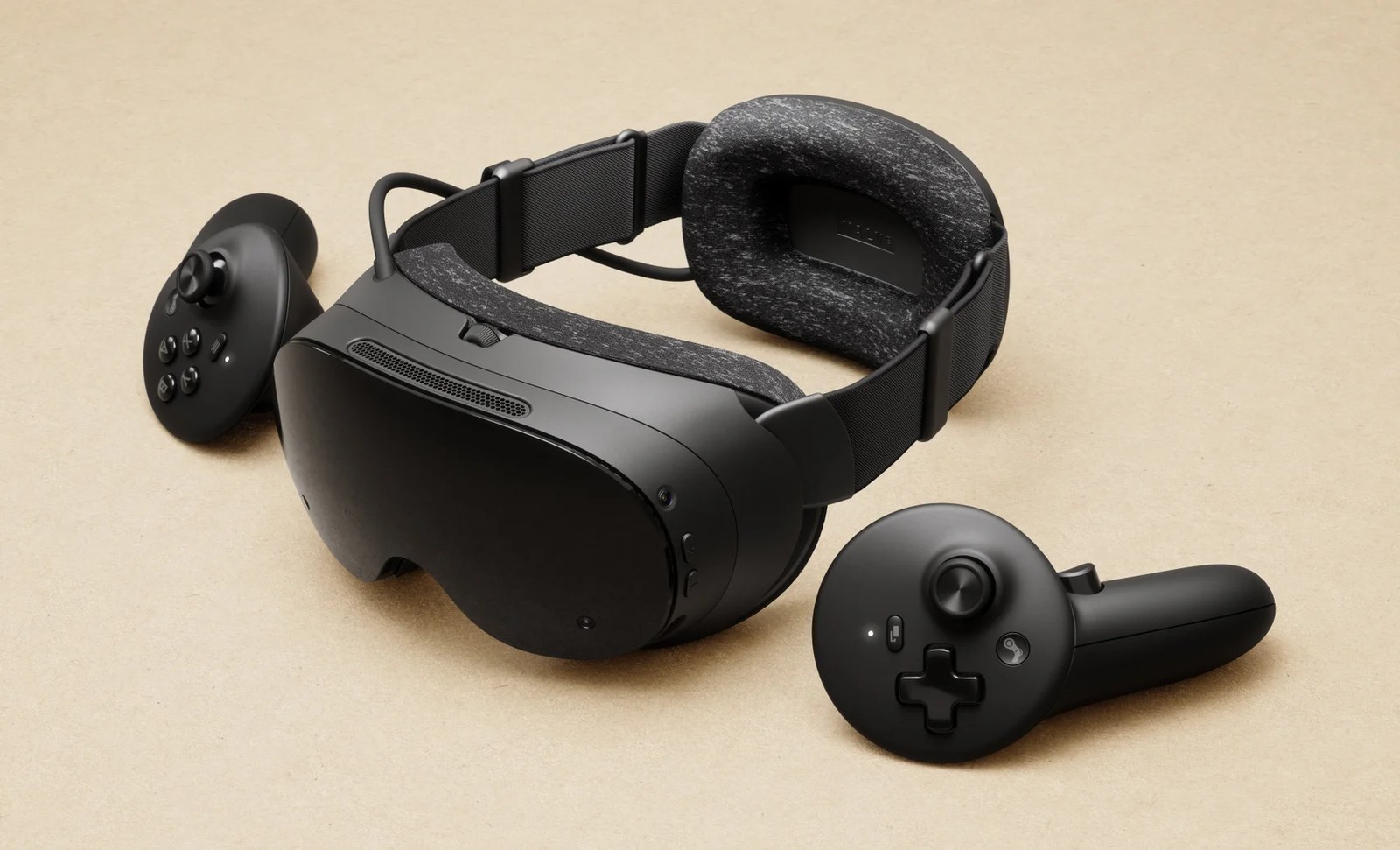
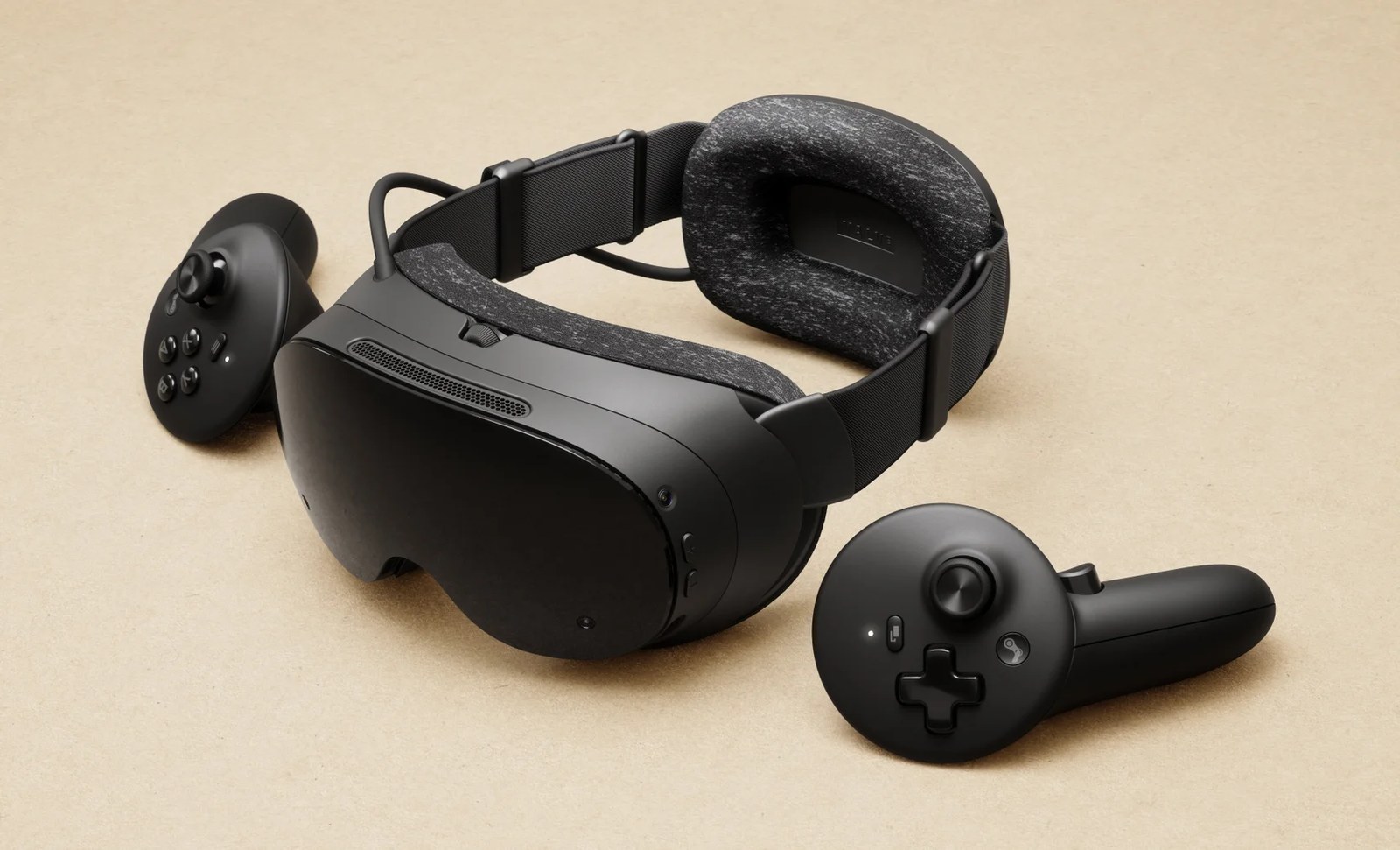
The pricing has drawn considerable attention given Valve’s extensive prior commentary on the technology and its willingness to experiment with hardware costs. Whichever configuration buyers choose, the standard package includes the headset itself, an attached battery that mounts behind the head for extended play sessions, two controllers, a spacer, a charging cable, and the streaming dongle.
Accessories And Ecosystem Expansion
Beyond the core hardware, Valve is launching alongside the Frame a range of first- and third-party optional accessories designed to customise and enhance the experience. A power supply unit from Valve costs £29/€39/$29, while an Ergonomic Accessories Kit — priced at £59/€69/$59 — bundles a headstrap, controller handstraps, battery doors, and an extended light blocker.
An Accessory Replacement Kit containing a replacement face gasket, head cushion, and light blocker is confirmed at £49/€59/$49. Third-party partners are also expanding the ecosystem: Zennioptical offers snap-in prescription lenses for around $67.95 per pair, while Arcturus has developed a “truly plug-and-play” full-colour camera upgrade — an alternative to Frame’s default monochrome passthrough — for £129/€157/$149.
During a recent interview with Valve, word also emerged of an “enthusiast” accessories pack arriving after launch. It is said to include a premium audio solution and an additional swappable battery pack, though the company’s PR team has not yet confirmed these details officially.
How To Secure A Frame
The purchase process follows a structured reservation system rather than an open sale. Once today’s sign-up deadline passes, Valve will conduct a “one-time randomisation” to determine both the reservation and waitlist order. Customers will then receive an email on September 17 indicating whether they have been placed on the reservation list or the waitlist.
Anyone who misses the initial sign-up window will automatically be added to the back of the waitlist and notified once their position moves into the reservation queue, ensuring that no interested buyer is entirely shut out of the process.
Looking Ahead
On the shipping front, Valve has not provided a definitive start date but expects to send the first batch of purchase confirmation emails on September 18, with additional notifications flowing out as more units become ready to ship. The staggered approach reflects the company’s desire to manage demand against available inventory rather than commit to a single mass-production date.
The Steam Frame arrives at a competitive moment in the VR market, where standalone headsets have grown increasingly capable and affordable over recent years. As Valve continues to refine its hardware strategy — with the Index still holding relevance for PC-connected enthusiasts — the Frame signals a clear commitment to bringing immersive virtual reality directly into the Steam ecosystem.
For those eager to experience the device firsthand, detailed hands-on impressions are available in our dedicated Steam Frame review, which covers around two weeks of testing with the headset. You can also find full technical specifications on Valve’s official website for anyone weighing the trade-offs between the 256GB and 1TB configurations.





Comments
Be the first to comment.