Valve Chose Steam Frame Compatibility Over a Flagship Launch Title
As Valve completes its latest round of hardware with the launch of the Steam Frame VR headset, the company has made clear that it prioritized broad game...
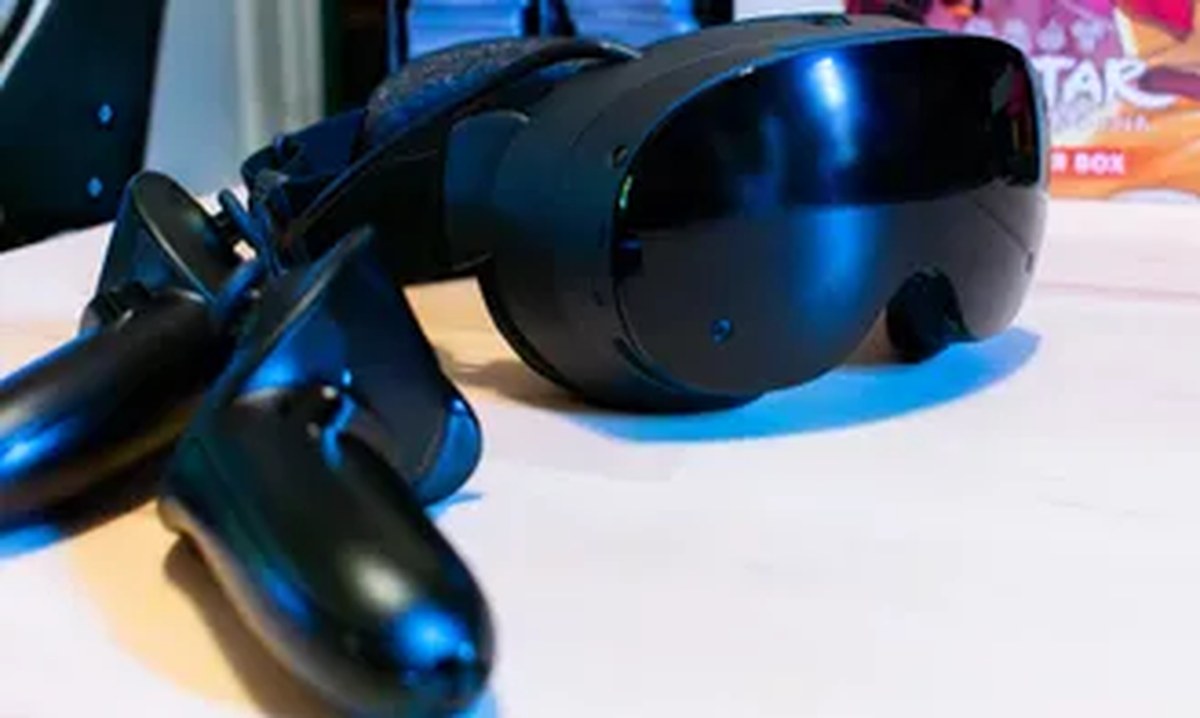
As Valve completes its latest round of hardware with the launch of the Steam Frame VR headset, the company has made clear that it prioritized broad game compatibility over delivering a marquee new title to sell the device. Ann alongside the Machine and Controller in November, the Steam Frame now ships without an exclusive system-seller, instead leaning on Half-Life: Alyx—the 2019 VR flagship that debuted with the Valve Index—as its headline software offering.
The decision comes at a difficult moment for the hardware industry. With prices across the board inflated by what has become known as the ongoing RAM crisis, the absence of a signature launch game makes it harder to justify the investment for many potential buyers. During a recent conversation with Valve about the headset’s design philosophy, developers explained that the strategy was deliberately centered on compatibility rather than a single marquee release.
A Compatibility-First Approach
The Steam Frame runs on the Qualcomm Snapdragon 8 Gen 3, a processor most commonly found in premium smartphones. According to Valve software developer Jeff Leinbaugh, this hardware choice drove the company’s emphasis on getting as many games working out of the box.
We really prioritized getting software compatibility in a good state so that there would be a huge number of games, I mean as big as possible, available to play on the device or stream to the device on day one.
Jeff Leinbaugh, Valve
Rather than banking on one big launch title, Valve wanted the ARM-based headset to offer players a wide range of options, spanning both VR and non-VR games. This approach leverages the dual translation layers of Proton and FEX, which allow many Steam titles to run on ARM hardware.
The Reality of Standalone Performance
Despite these efforts, standalone performance remains a work in progress. While numerous 2D games run smoothly on the headset—Hades II being a notable example—the experience with standalone VR titles is more inconsistent. Valve did eventually earn Steam Frame Verified certification for Half-Life: Alyx, even after initially telling reporters in November that getting the game running natively would be substantial work.
For VR, comfort is a bigger factor. So as we’ve gone through the process of making Alyx run better, we’re learning about what’s important when we look at other VR games to make sure that we can guarantee this is a good experience without setting a bar that’s just unreasonably high.
Jeff Leinbaugh, Valve
The optimization journey for Alyx has proven valuable beyond the game itself. According to Leinbaugh, working through the challenges of making Alyx run standalone is helping Valve understand the broader question of how to ensure VR games deliver a comfortable experience when operating independently.
Looking Ahead
Valve acknowledges that compatibility remains an ongoing effort rather than a finished product. The Steam Frame will likely face similar growing pains as those seen at the launch of the Steam Deck, and developers seem aware that refining standalone VR performance is a process still unfolding.
For now, one feature helps mask some of these rough edges: the 6GHz dongle included in the box enables streaming PCVR games from a desktop with remarkable quality. This streaming capability offers a compelling alternative for players who want premium experiences without relying solely on standalone performance. Those whose primary interest was always standalone VR may still find better value elsewhere, such as in competing headsets like the Meta Quest 3.
Copyright in the content and news published on this platform is not reserved, and the material may be shared with attribution. Much of the news is compiled from publicly available domestic and international press sources. Responsibility for the accuracy of claims, data, and material attributed to those sources rests with the source organizations; the platform does not assume responsibility for them. Third-party images, logos, and openly licensed materials remain subject to their original source and license terms.
To submit original news, articles, press releases, or content notices for publication, please contact us:

























1 comment