

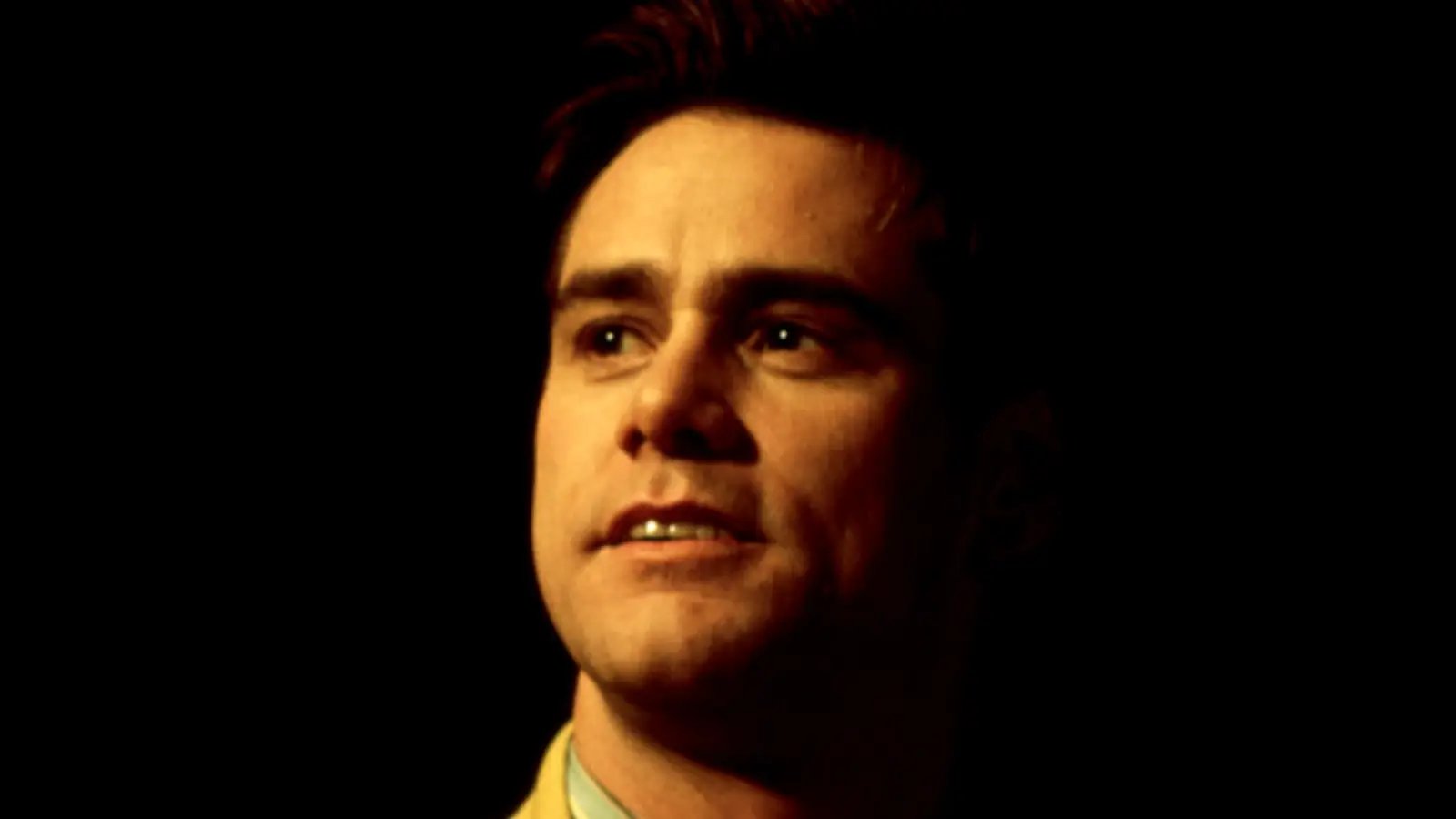
Peter Weir’s 1998 satirical dramedy, The Truman Show, recently inducted into the National Film Registry, wasn’s just a film; it was a cultural touchstone. It wasn’t merely ahead of its time; it eerily predicted the future we now inhabit, making it resonate even more powerfully today.
A World Within a World
The film, penned by Andrew Niccol (Gattaca) and directed by Weir (Dead Poets Society), centers on Truman Burbank (Jim Carrey), who unknowingly lives his entire life within a colossal television soundstage. Every aspect of his existence, from infancy to adulthood, is meticulously orchestrated for a global audience. His world is populated by actors, every beverage is a product placement opportunity, and the sky above his idyllic hometown of Seahaven is a painted dome. Overseeing it all is Christof (Ed Harris), the show’s godlike creator, micromanaging Truman’s life with unwavering control.
The Dawn of Reality TV
The Truman Show arrived on the scene when reality TV was already emerging. Shows like the Dutch Nummer 28 and MTV’s The Real World were experimenting with unscripted interactions, while the O.J. Simpson murder case blurred the lines between news, documentary, and entertainment. However, it was the arrival of Big Brother in 1999 that truly brought Weir’s vision to life, isolating its subjects from the real world within a panoptic surveillance system.

The Truman Effect: We Are All Truman Now
While The Truman Show offered sharp commentary on the commercialization of the individual, its impact has deepened with the rise of social media. We now consume sanitized versions of reality through screens, not just as a substitute for real-world relationships but as an integral layer on top of them. We are all performing, editing, and broadcasting our own lives, willingly participating in our own surveillance. We’re all Truman now, and we’re also all the actors in his show.
Beyond Prophecy: The Heart of the Film
While its prescience is undeniable, The Truman Show offers more than just social commentary. It’s a funny, warm film that balances dark satire with genuine human connection. Weir initially envisioned a darker, dystopian thriller set in New York City, but he opted for a lighter, more appealing approach, creating a world both charming and subtly unsettling.
Carrey’s Transformation: From Comedy to Drama
The decision to cast Carrey as Truman was a pivotal moment. Although The Truman Show rarely delves into Carrey’s full manic slapstick mode, his emphatic physicality injects raw energy into the film. This role marked his first major dramatic performance, and he delivers an aching sensitivity that is both heartbreaking and inspiring. He brings an alien quality to his intensity, a sublimated fury to his humor – an edge that Weir masterfully deploys when Truman’s world begins to unravel.
The Cracks in the Facade
As The Truman Show progresses, the carefully constructed facade begins to crumble. A stage light falls from the fake sky, Truman’s father reappears, and his car radio intercepts stage directions. Carrey portrays Truman’s growing confusion and horror with increasing intensity, transforming his initial optimism into a sardonic determination.
Stepping Into The Unknown
In the film’s closing moments, Truman reaches the threshold of a world he never knew existed. He steps into darkness, leaving behind the only life he has ever known. Carrey delivers a devastating mixture of affection and irony, hope and resignation, before disappearing into the unknown.
A Choice for Us All
The Truman Show is a visually stunning and spiritually powerful conclusion. It challenges us to consider whether we would have the courage to step outside our own manufactured realities, even when faced with the unknown. It’s about the fragility of identity and the strength it takes to inhabit it fully and honestly. Having learned that his reality was constructed for him, Truman has the courage to step outside of it, into the blackness. Would we?
The Truman Show is available to stream on Pluto TV.
Source: Polygon























Join the conversation