

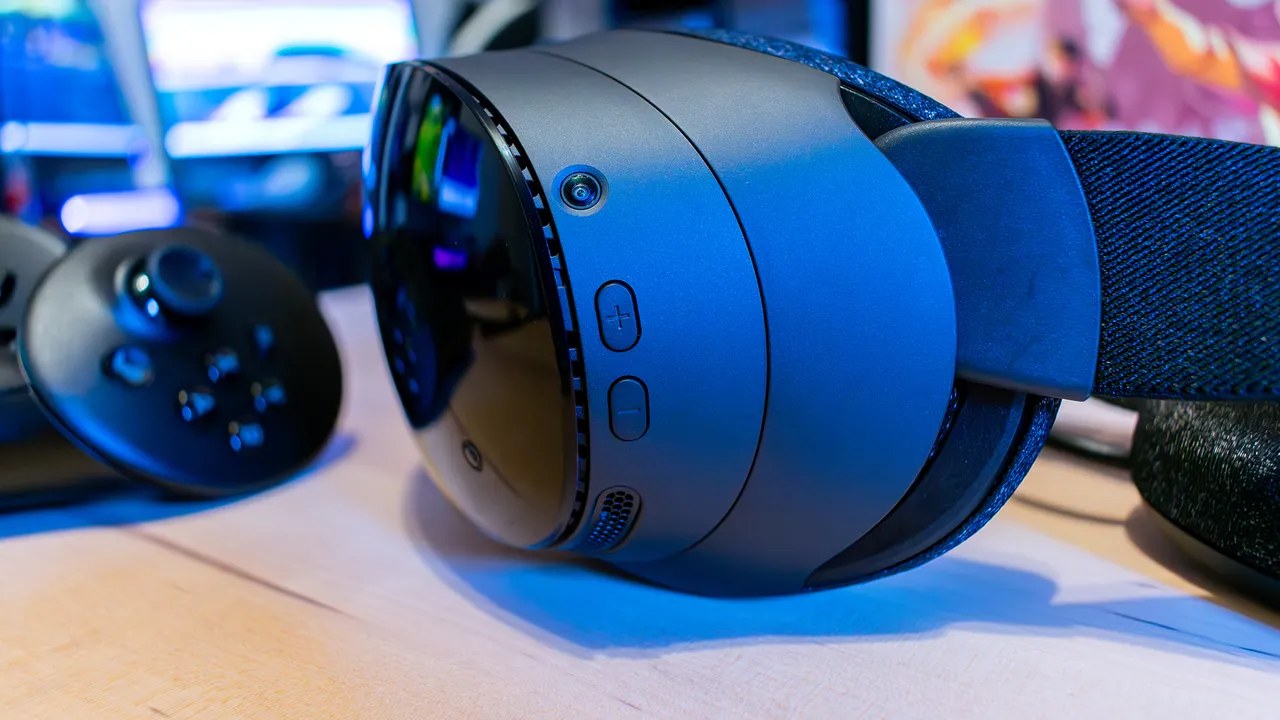
After nearly a year of anticipation, Valve’s Steam Frame VR headset has officially launched with pricing that reflects the ongoing global shortage of memory chips. The entry-level model starts at $1,059 for a 256GB version powered by a Qualcomm Snapdragon 8 Gen 3 processor and 16GB of RAM, while a 1TB variant will cost $1,299. Valve attributes the elevated price tags to rising component costs that have reshaped the entire hardware landscape over the past year.
The Steam Frame ships with two controllers, an eye spacer for glasses wearers, and a dedicated Wi-Fi 6GHz dongle designed specifically for PCVR streaming. Despite the premium asking price, Valve maintains that the headset offers technology that Meta’s Quest 3 simply cannot match, positioning it as a serious contender in the high-end VR market rather than an affordable standalone device.
A Headset Built for PCVR Streaming
The Steam Frame distinguishes itself from competitors through features like eye tracking, a dedicated wireless PC dongle, and double the RAM found in Meta’s headset. According to early hands-on impressions, the headset excels at streaming PCVR games, which is precisely how Valve designed it to be used first and foremost.
However, this specialization comes with tradeoffs for budget-conscious buyers. Anyone seeking an affordable VR headset that primarily plays standalone VR games will likely find Meta’s offering more suitable. The Frame’s premium features target enthusiasts willing to invest in a desktop-class gaming experience rather than casual mobile VR play.
The Steam Frame is designed first and foremost for streaming PCVR games, and it excels at that task despite the higher price point driven by component shortages.
Valve on the Steam Frame
Pricing Within Context of Dedicated PCVR Headsets
Among dedicated PCVR headsets specifically, Valve’s pricing isn’t entirely outside normal range. The Samsung Galaxy XR commands $1,799 for similar capabilities, while the Pimax Crystal Light offers comparable features at $899—though that latter model relies on wired connections rather than wireless streaming.

The Frame’s cost mirrors the broader trend affecting Valve’s own product lineup. When journalists sat down with Valve to discuss the headset, they received the same explanation given for the Steam Machine and handheld devices: a similar price increase driven by market conditions beyond the company’s control.
The RAMpocalypse Affects Everyone
Rising memory prices have become a defining challenge across the entire gaming industry. The ongoing shortage, often dubbed the “RAMpocalypse,” has pushed costs higher over the last year or so, impacting everything from PC components to consoles. Even PlayStation 5 and Xbox Series X have felt the effects of these escalating prices.
Valve’s acknowledgment that hardware costs continue climbing suggests consumers should expect similar pricing pressures across other gaming products in the near future. The company positioned the Frame within this reality rather than attempting to shield buyers from market forces.
How to Buy and What to Expect
The Steam Frame is scheduled to begin shipping on September 18, with reservation list holders receiving their units first. As those orders process, Valve will email waitlisted customers and move them onto the reservation list in sequence.
Given the pattern established by previous releases like the Steam Machine and Steam Controller, buyers should anticipate the reservation list stretching through the end of this year and likely into the first few months of next year. Demand appears strong enough that availability may remain limited well into 2025.























1 comment