

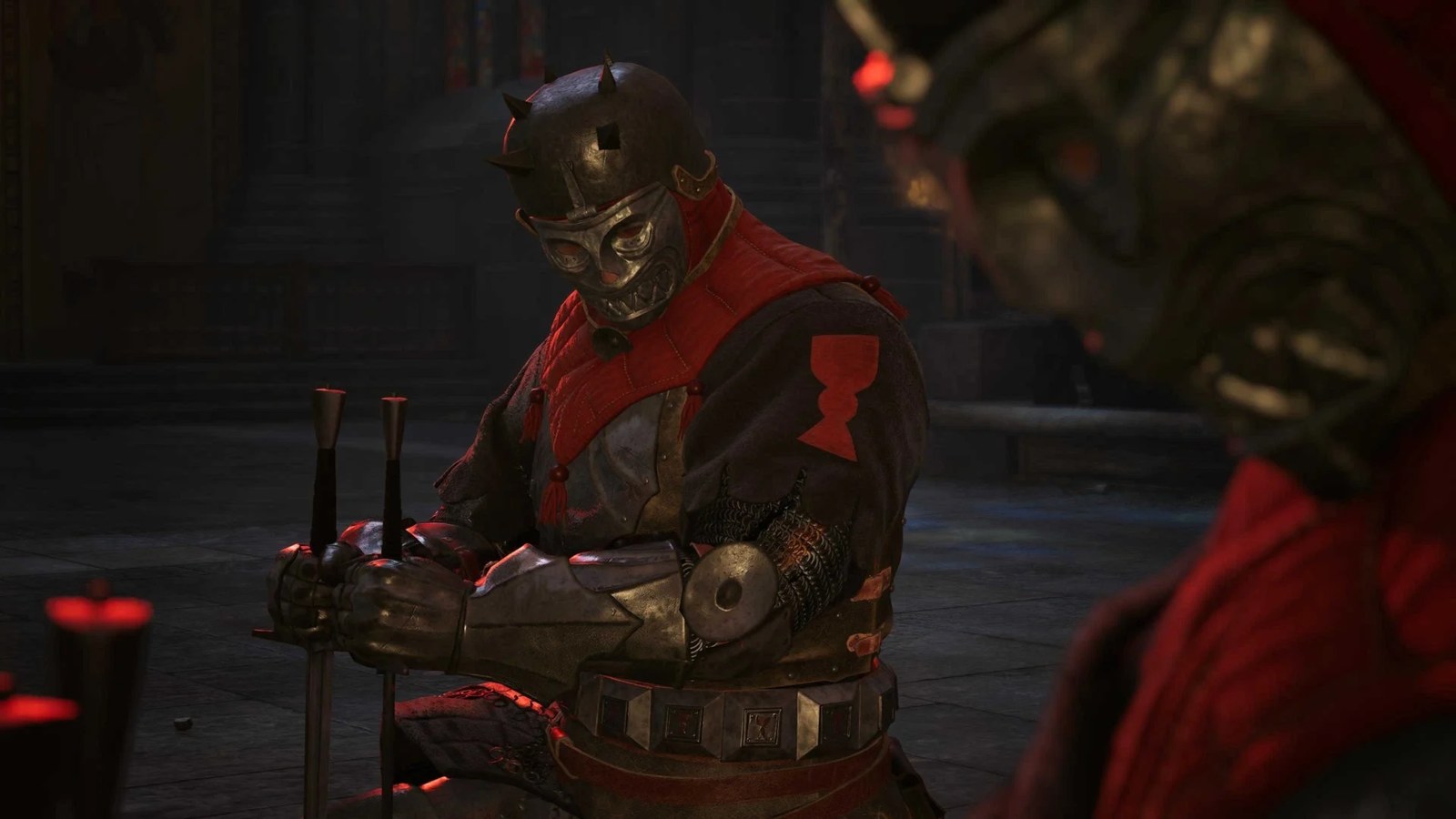
Following the release of The Blood of Dawnwalker, director Konrad Tomaszkiewicz has confirmed that Rebel Wolves is weighing whether to retain the game’s divisive time-management mechanic in future entries. In an interview with Eurogamer, Tomaszkiewicz acknowledged that the system—which forces players to juggle real-time deadlines while completing quests—is not universally loved and may be abandoned if it does not suit a project’s narrative needs.
The comments arrive amid growing chatter across gaming outlets suggesting the studio might strip away one of Dawnwalker’s most distinctive features. Rather than dismissing those concerns, the developer openly engaged with the debate, signaling that upcoming titles will prioritize creative fit over mechanical tradition.
A Mechanic That Divides Players
The Blood of Dawnwalker launched as a vampire-themed action role-playing game from CD Projekt alumni, quickly drawing attention for its ambitious blend of open-world exploration and time-pressure gameplay. The core system requires players to manage an in-game clock that governs how much they can accomplish before day turns to night, fundamentally reshaping pacing and decision-making throughout the experience.
While some embraced the tension it introduced, others found the constraint frustrating, particularly those hoping to complete every questline within a single playthrough. That friction has become the central point of contention as fans speculate about what direction Rebel Wolves will take next.
“If we will have parts of the story, or the whole story, to which it fits, then we will use it. If we will have stories where it does not fit, we will not force it.”
Konrad Tomaszkiewicz, Director
Balancing Content Access With Design Intent
Tomaszkiewicz pushed back against the notion that the time mechanic unfairly locks players out of content. He explained that the studio deliberately calibrated the system so that a substantial majority of the game remains accessible without excessive grinding or repeated playthroughs.
“We balanced it in a way that it’s possible to do around 80 percent of the content with the time mechanic so it’s not so bad,” he said, addressing one of the most common criticisms leveled against Dawnwalker. The figure suggests the developers intended friction as a design element rather than an obstacle blocking progression.

The Broader Debate Over Player Comfort
The conversation around the time mechanic taps into larger tensions within gaming culture regarding player expectations and developer vision. As games become more expensive and competition for attention intensifies, some players expect frictionless experiences that maximize perceived value. Critics of Dawnwalker’s system argued they should be able to see everything in one playthrough.
Yet the studio appears committed to preserving creative risk-taking as a defining feature of its work. Rather than surrendering entirely to demands for comfort, Rebel Wolves seems willing to let developers pursue bold ideas even when they challenge conventional expectations about how role-playing games should function.
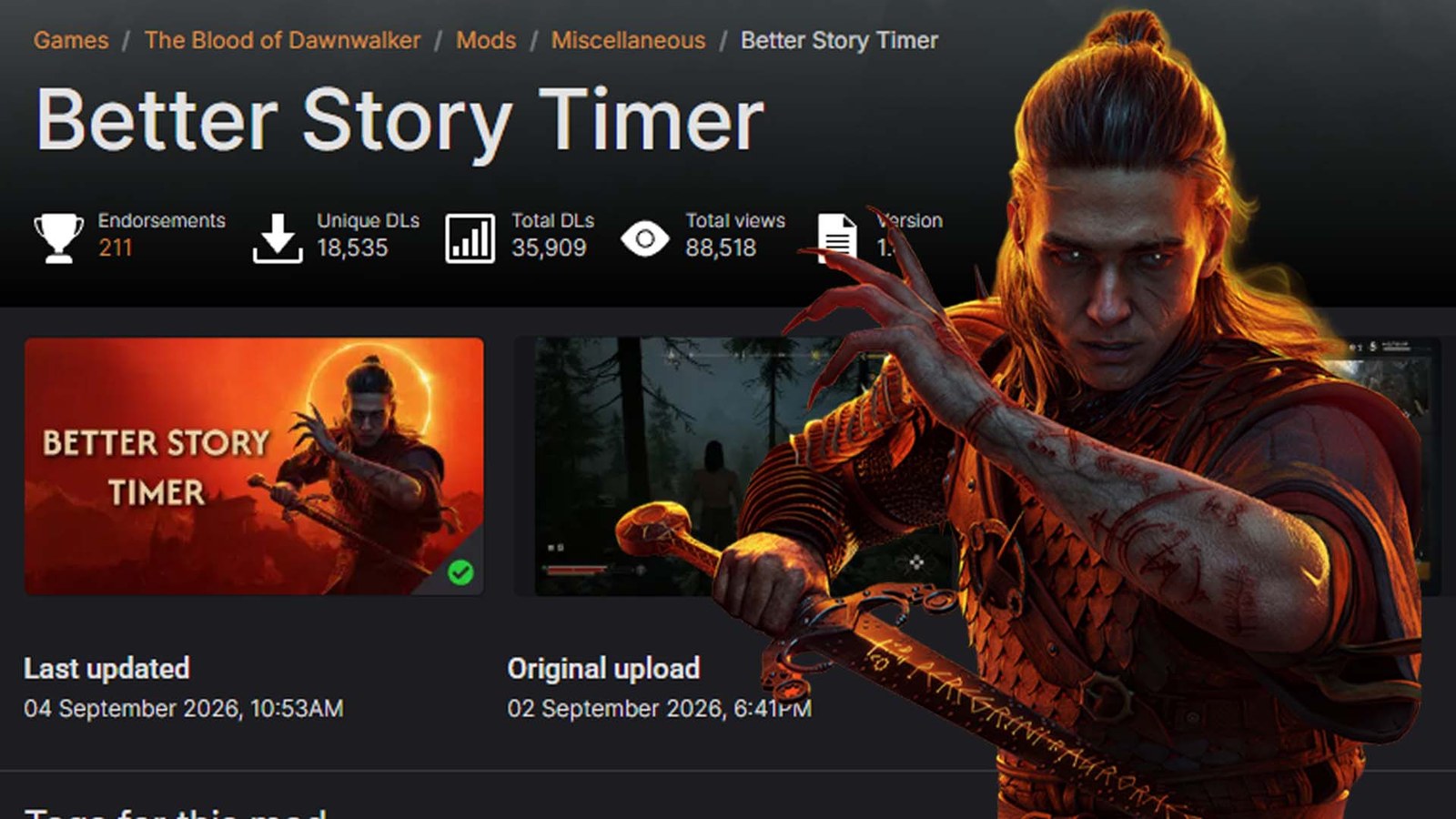
Looking Ahead
Despite dramatic speculation that the time mechanic faces elimination, Tomaszkiewicz indicated the studio is exploring additional innovations. “We are also considering and researching some other crazy ideas which can make the RPG genre different to surprise people in the future,” he said, reinforcing a commitment to experimentation.
The Blood of Dawnwalker itself has generated mixed reactions since launch, with reviews divided over whether it succeeds as an innovative new entry or suffers from repetitive design. The studio responded to technical concerns by introducing a 60FPS mode after player feedback, while console versions reportedly launched more smoothly than PC builds.
As Rebel Wolves moves forward, the question of which mechanics define its future titles remains open. What is clear is that the developer intends to prioritize artistic vision over universal comfort, inviting players to embrace discomfort as part of what makes daring games memorable.























1 comment