

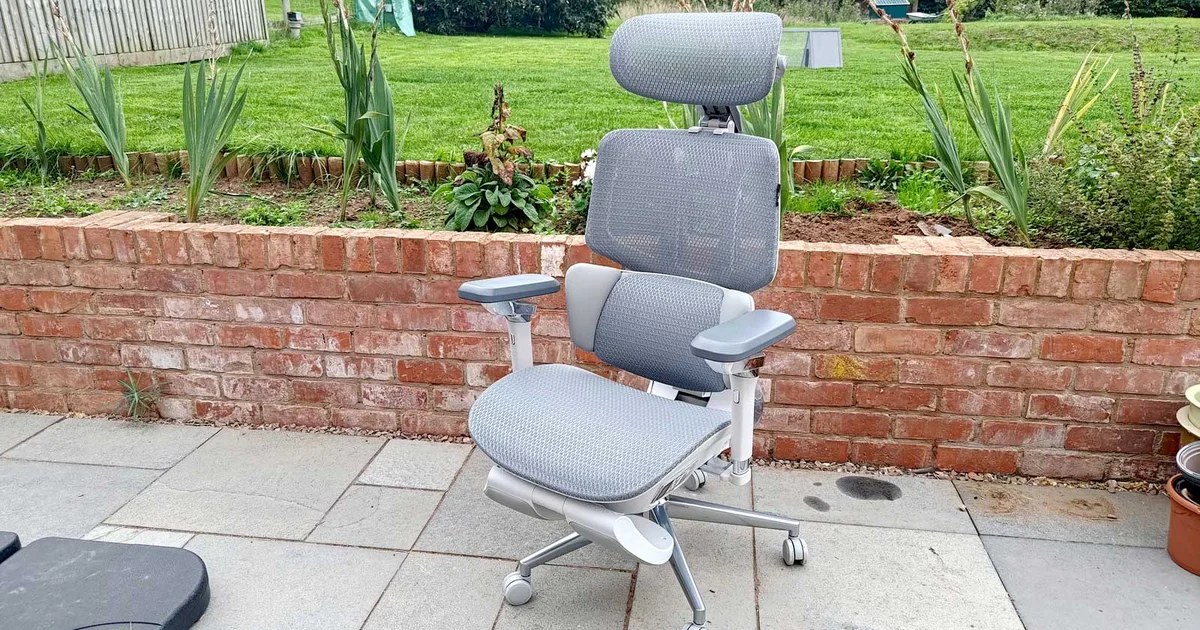
As artificial intelligence becomes increasingly woven into every corner of modern life, one writer spent a week testing HBADA’s X7 gaming chair to find out whether its “AI-powered” lumbar support actually does anything useful. The verdict: the technology is far simpler than the marketing suggests, yet it proved surprisingly effective at correcting posture and easing recurring back pain during long hours seated at a desk.
The findings come with an important caveat from editors at RPS, who clarified that while the chair may reduce back discomfort during extended sitting sessions, it will not “literally fix your spine” or cure physical conditions. The publication added this note to avoid overstating the product’s health benefits after readers complained about hyperbolic wording in the original draft.
AI everywhere, but what does it actually mean here?
Artificial intelligence is now ubiquitous, exhausting to keep up with, and increasingly perceived as harmful to games. But most of that conversation centres on generative AI — the energy-hungry, media-scraping variety. The more limited breeds of artificial intelligence can still play a harmless, perhaps even useful role, particularly on the hardware side. And sometimes they turn up in unexpected places, such as HBADA’s X7 chair.
The writer had been using an X7 for a week and found it “surprisingly effective,” especially at straightening posture — something they hope will help with recurring back pain issues. It was described as a very pleasant surprise given the scepticism that typically accompanies AI-powered furniture gimmicks in 2026.
A chair that throws the kitchen sink at its feature list
The X7 is not cheap. At the time of writing it was on an Autumn sale, still priced at £1,169 — a significant sum when most PC components used while sitting in one are historically expensive. For that money, however, it throws everything at its features list: 720-degree adjustable arm rests, a built-in footrest, a 4D adjustable headrest, an “8D bionic” back massager, a “cloud ventilated” seat cushion with cooling fans, and a graphene heating and red light therapy system all come as standard.
Amidst this bevy of buzzwords, the writer was extremely sceptical about HBADA’s “Automotive grade”, AI-based smart lumbar system. Surely nobody needs artificial intelligence to manage where their lumbar support sits? And even if they did, what would it actually do?
The technology behind the marketing
As it turns out, the X7’s application of machine learning is high-tech for a chair but relatively simple by today’s AI standards. The automatic adjustment works by using magnetic sensors to detect how much pressure you’re placing on the lumbar support at any given time. The chair then reacts accordingly, either retracting or extending the support in response to your movements.
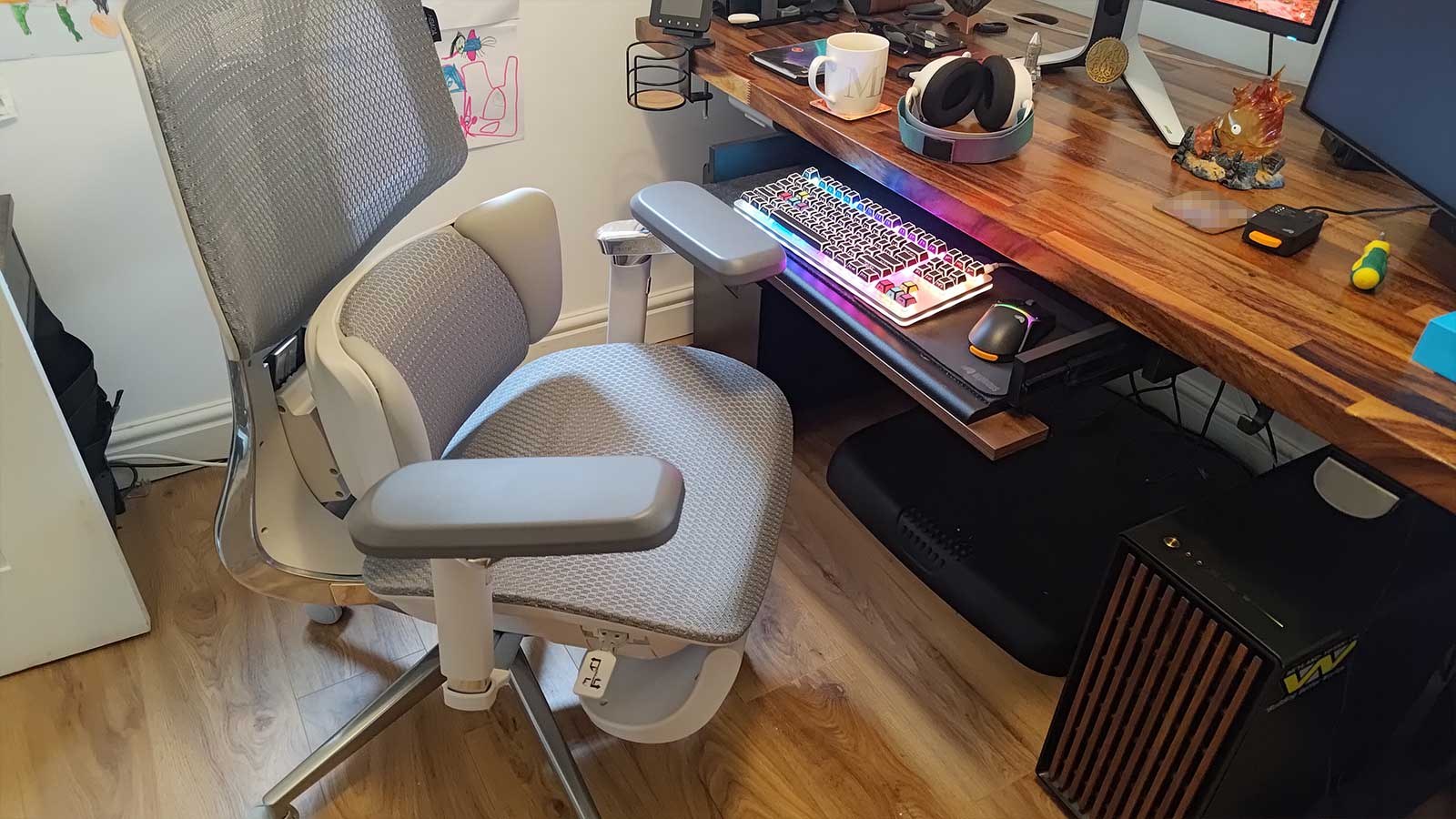
The idea is that whether you’re pressed back and lounging, or pushed forward and furiously mouse-clicking, your lower back should receive appropriate support throughout. Ultimately it’s less a large language model for your back and more just a smart pressure sensor — still useful, still effective, but not exactly ChatGPT on wheels.
A rocky start blamed on user error
The writer admits the experience began with them giggling at the chair. After unboxing it, they invited their wife to sit down and switched on the smart lumbar support — which proceeded to push her forward to its full extent, almost shoving her off. Trying to demonstrate the system’s range of motion, they used the tethered remote control to lower the sensitivity before switching back to smart mode, where it would again extend fully.

This happened regardless of the setting chosen. If the writer flexed their abdominals and drove backwards into the rest, it would slink backward like a shy dog, but relaxing their posture caused it to push forward again. After wondering whether they were simply too small or light for such a chair — or whether their spine was somehow warped — they concluded it was all user error.
Their previous office chair only had static lumbar support, positioned higher on the back than suited someone who is 5’5″. The same mistake was made with the HBADA X7, defeating the purpose of its adjustable system until the support was slid down to a setting that befits their stature.
[Writer’s account]
A more proactive approach to posture
Once correctly adjusted, the writer began to understand the fuss. Whereas other chairs offer manually adjustable but static lumbar support — taking a one-size-fits-all approach that doesn’t move as you do — the X7 is more proactive. When sitting normally it presses into the lower back until supported and holds its position; leaning forward moves with them, pushing back deeper relaxes it, maintaining consistent pressure on just the right spots.
One catch is that it can also support bad posture, especially at stiffer settings. Slumping down or failing to push fully back lets the chair hold you in something approximating comfort — a terrible position to maintain for long periods. No expensive chair, AI-aided or otherwise, will fix harm done by staying there too long.
But sitting properly, with shoulders not rolled forward and forearms resting at 90 degrees, it proved very comfortable and extremely supportive. The writer noted that only once correctly shaped did they realise how badly supported their lower back had previously been.
The rest of the features
Some other luxuries got to shine too. The built-in massager rotates and kneads rather than merely vibrating, though the writer wished it could reach a bit lower where knots tend to form. It works in tandem with the heating element, both engaging automatically after a period of time — convenient when absorbed at the keyboard and not paying attention to back health.
The seat-mounted fans were somewhat loud at higher settings, but potentially handy in a sweaty office full of high-wattage gaming gear. The side wings were comfortable on the back, though elbows hit them when tucking into perfect posture. The lean-back auto-tensioning was too loose to use unlocked, and the headrest felt clunky and imprecise compared to the rest — basic and unnecessary rather than another AI motor system.
Looking ahead
The writer concluded that since the main event lumbar support is capable of genuinely improving health, it makes up for some nice-to-haves not quite living up to the price tag. While it carries “the scent of AI gimmickry” — they don’t know if HBADA would even call it AI were it not 2026 fashion — it remains smarter and more reactive than any lumbar support used before, and the most comfortable encountered.
For a home office worker who spends much time standing to avoid back issues, the X7 proved good for both posture and peace of mind. There are still improvements possible, but if you want a chair that values comfort above all else, the HBADA X7 is worth saving up for.























1 comment