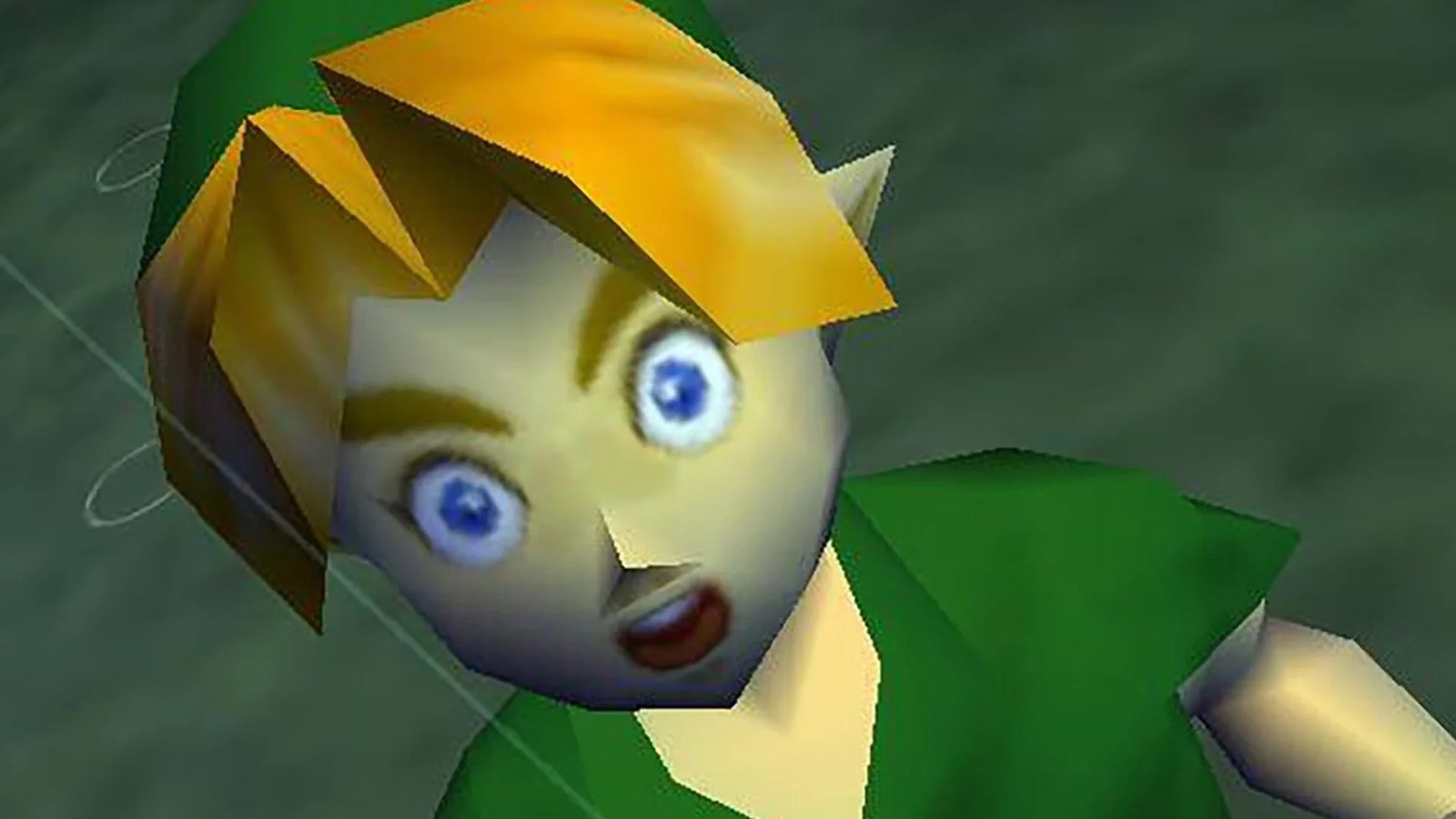
The developers behind one of the most beloved retro game ports have confirmed they use artificial intelligence tools in their work, igniting a fierce backlash from fans who feel betrayed by the team. Harbour Masters, the volunteer group responsible for reverse-engineered PC versions of classic Nintendo titles including The Legend of Zelda: Ocarina of Time, has acknowledged that members have used AI assistants as part of their development process for years. While the studio insists every line of code is reviewed by experienced humans before reaching a release, the admission has left many in the retro gaming community furious and distrustful.
The controversy intensified on September 16 when a post on PC Gaming Wiki went viral across social media, alleging that thousands of lines of code across multiple Harbour Masters ports were generated with AI assistance. The claim spread rapidly through platforms including ResetEra and Bluesky, drawing widespread attention to questions about transparency in the world of free community-driven game development.
Evidence Allegations Take Hold
In the PC Gaming Wiki post, a user operating under the name “Slopiskillingretrogaming” claimed to have uncovered multiple pieces of evidence suggesting that Harbour Masters’ ports contained AI-generated code and even assets. The poster argued that the team’s projects no longer met the standards expected by the wiki community.
“Harbour Masters has shifted into using ridiculous amounts of AI-generated code and even some assets recently, and their projects arguably do not meet the requirements of the PC gaming wiki anymore,” the user wrote. “Their runtime component called libultraship has been particularly slopped up, but it’s also being used on the individual ports too.”
The poster linked to numerous examples of code they claimed demonstrated AI usage and alleged that the team was attempting to conceal its involvement by removing co-author credits from commits. The post specifically attributed recent changes to “lead maintainers of individual ports” rather than casual contributors, adding weight to the accusations.
The Team Responds
According to reports from within the studio’s official Discord server, Harbour Masters members were caught off guard by the viral post and its reception. Many pushed back against the allegations, dismissing them as “total lies” and “highly untrue.” One prominent claim in the post suggested that millions of lines of code had been created using AI, a figure developer Malkierian disputed.
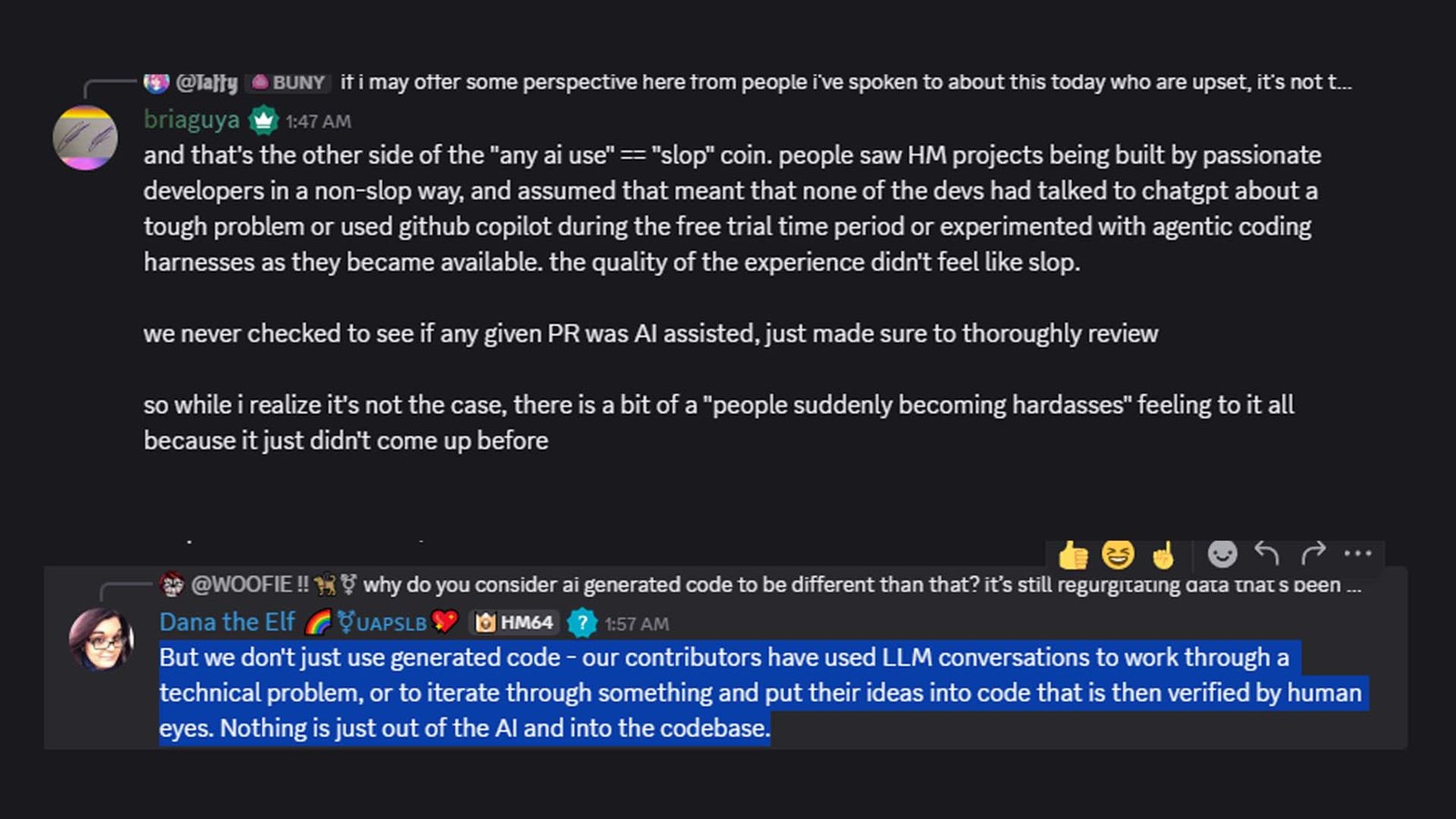
We don’t just use generated code – our contributors have used LLM conversations to work through a technical problem, or to iterate through something and put their ideas into code that is then verified by human eyes. Nothing is just out of the AI and into the codebase.
Dana the Elf, Harbour Masters
Despite pushing back on certain claims, team members made clear that AI tools do feature in their workflow. Developers noted that a large number of functions were converted using scripts developed with AI assistance and then tested for parity before being integrated. The studio has maintained a publicly available AI policy for months, which it plans to expand upon over time.

A Community Divided
The confirmation that Harbour Masters uses these tools resonated poorly with many longtime supporters of the project. Fans who had grown attached to the team’s passion-driven approach felt misled by what they perceived as a lack of disclosure about AI usage in their favorite ports.
Developer Briaguya offered perspective on the community’s reaction, suggesting that fans assumed quality output meant zero AI involvement. “People saw Harbour Master projects being built by passionate developers in a non-slop way, and assumed that meant that none of the devs had talked to ChatGPT about a tough problem or used GitHub Copilot during the free trial time period,” they wrote.
The developer added that the team never checks whether proposed code changes were AI-generated; instead, they thoroughly review every contribution. “So while I realize it’s not the case, there is a bit of a ‘people suddenly becoming hardasses’ feeling to it all because it just didn’t come up before,” Briaguya noted.
When pressed on which version of Ship of Harkinian was free from AI-assisted code, developer Briguya bluntly admitted uncertainty. “I don’t know,” they said, acknowledging that Copilot-assisted contributions may have landed in early versions without anyone’s knowledge. The team also firmly stated it does not use or condone AI image generation and has never done so.
Looking Ahead
The timing of the controversy proved awkward for Harbour Masters, arriving on the same day as the studio’s newest release, Paper Mario. It remains unclear whether that port incorporated AI tools, though observers suspect it likely did.
Developers pointed to practical reasons for embracing AI assistance, citing a small team stretched across an enormous workload over more than a decade of ports. “One of the reasons I think we are accepting of AI contributions is that our developers are spread thin,” explained developer Jeod, noting that many original contributors had moved on or faced real-life commitments.
As discussions continue to unfold within the community, Harbour Masters faces mounting pressure to clarify its practices and rebuild trust. The studio’s ability to communicate transparently about how it balances AI efficiency with human oversight will likely shape the future of this influential volunteer project.























2 comments