

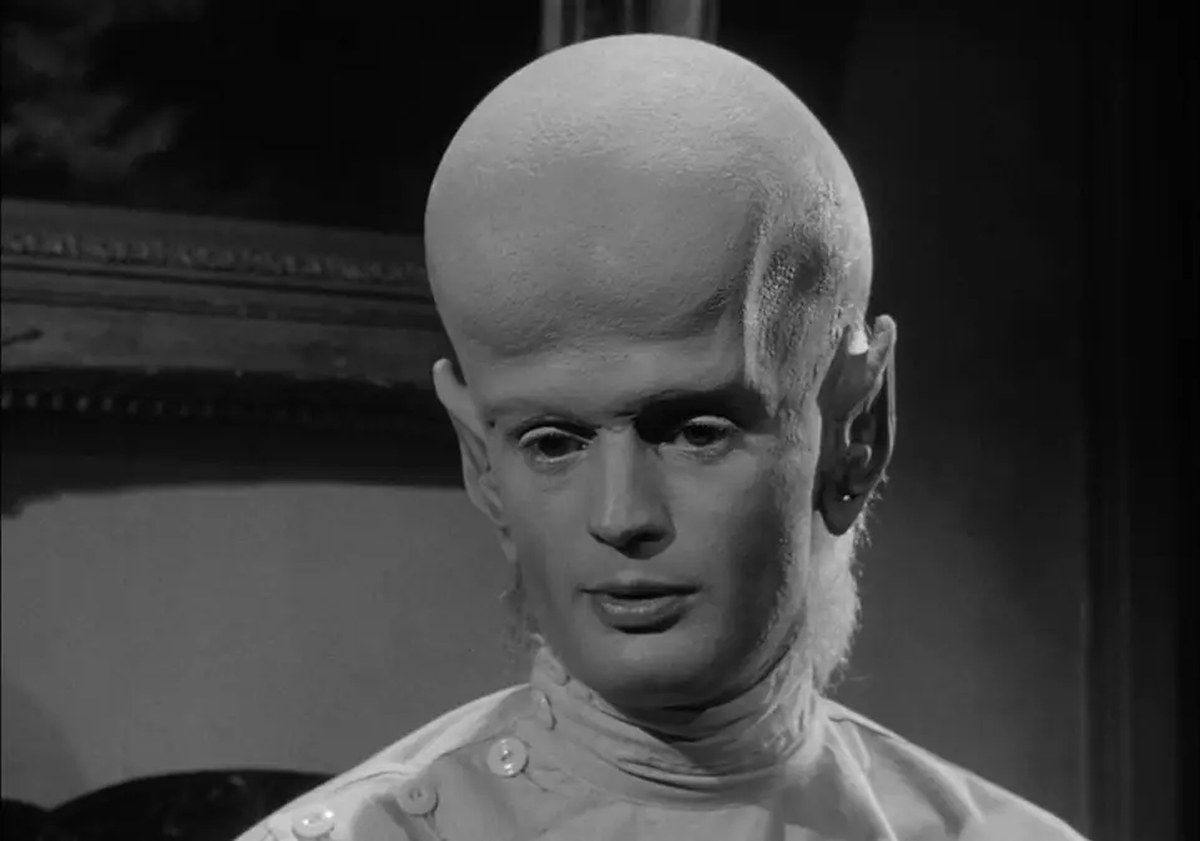
More than six decades after its original run, the legendary sci-fi anthology series The Outer Limits is now available to stream for free on Tubi. Created by Leslie Stevens as ABC’s direct answer to CBS’s hit The Twilight Zone, the 1960s series has been made freely accessible to a new generation of viewers who can discover why it became one of television’s most influential genre shows.
The announcement brings attention back to a show that debuted in the fall of 1963 and quickly proved itself a major success on its own terms. While critics have long noted its resemblance to The Twilight Zone, The Outer Limits carved out its own identity through ambitious writing, striking production design, and some of the most memorable opening narration in television history.
A Show Born From Competition
The origins of The Outer Limits are rooted in network competition. When The Twilight Zone became an early television phenomenon in 1959, CBS saw its success replicated across the industry. ABC responded with Leslie Stevens’ creation, a high-concept anthology that delivered fresh casts and ideas every week through impressive writers and a wide array of actors who would become well known later.
Like The Twilight Zone, the show leaned heavily into science fiction elements layered with deeper human messages often laced with irony. Yet it proved more than just a pale imitation, managing to create memorable imagery and stories in its own right that remain worth watching today.
“You are about to enter another dimension.”
Rod Serling on The Twilight Zone
To understand how closely the two shows were modeled, one need only compare their iconic introductions. Every episode of The Twilight Zone opens and closes with narration from creator Rod Serling, who warns viewers they are about to enter another dimension as trippy images like a spiral and a giant blinking eyeball flash across screen. In The Outer Limits, announcer Vic Perrin speaks over an oscilloscope introduction, warning that there is nothing wrong with your television set before inviting audiences to participate in “a great adventure” reaching from the inner mind to… The Outer Limits.
Groundbreaking Stories and Writers
While The Twilight Zone boasted heavy-hitter writers like Ray Bradbury and Richard Matheson, The Outer Limits attracted its own literary talent, including Harlan Ellison and Joseph Stefano, the screenwriter of Psycho. The stories themselves were filled with interesting, original concepts that pushed the boundaries of 1960s television.

The episode “The Architects of Fear” followed scientists who faked an alien invasion in an effort to get humanity to put aside its differences. “The Man Who Was Never Born” centered on a time traveler stranded in a desolate 22nd century Earth, while “The Sixth Finger” told the story of an ordinary man transformed by an experiment that granted him godlike powers. The episode “I, Robot” explored an intelligent AI robot charged with murder, drawing from the same source material as later films.
Granted, some of these concepts may seem rudimentary today, but they were breakthroughs in their era and wholly original to the show’s own storytelling. The series also featured impressive makeup and creature effects for its time.
The Irony of Legacy
The Outer Limits benefited from good timing as well as quality material. When The Twilight Zone expanded to a full-hour format for its fourth season in early 1963, most fans consider it the show’s weakest stretch before returning to half-hour episodes. In the fall that followed, The Outer Limits premiered on Monday nights on ABC, with The Twilight Zone’s fifth season beginning just a week later on Friday nights.
The competition proved favorable for ABC, as The Outer Limits became a big success in its first season. Ratings eventually declined when the show shifted to Saturdays for its second season and was canceled midway through that run. Still, it was hardly the end of the franchise, which was rebooted to even greater success in the 1990s with a revival lasting seven seasons.
The series also carries an interesting bit of irony regarding imitation. After James Cameron’s blockbuster The Terminator debuted, Harlan Ellison claimed the film plagiarized its concept from his Outer Limits episode “The Soldier,” which featured warring soldiers from the future battling in the past. While Cameron denied the allegations, Orion capitulated, granting Ellison a settlement and credit on all future releases.
Looking Ahead
The Outer Limits is now available to stream for free on Tubi, offering longtime fans and newcomers alike an opportunity to revisit these classic stories. The series’ influence continues to resonate across science fiction television, cementing its place as a landmark of the genre that helped define what anthology storytelling could achieve.























1 comment