
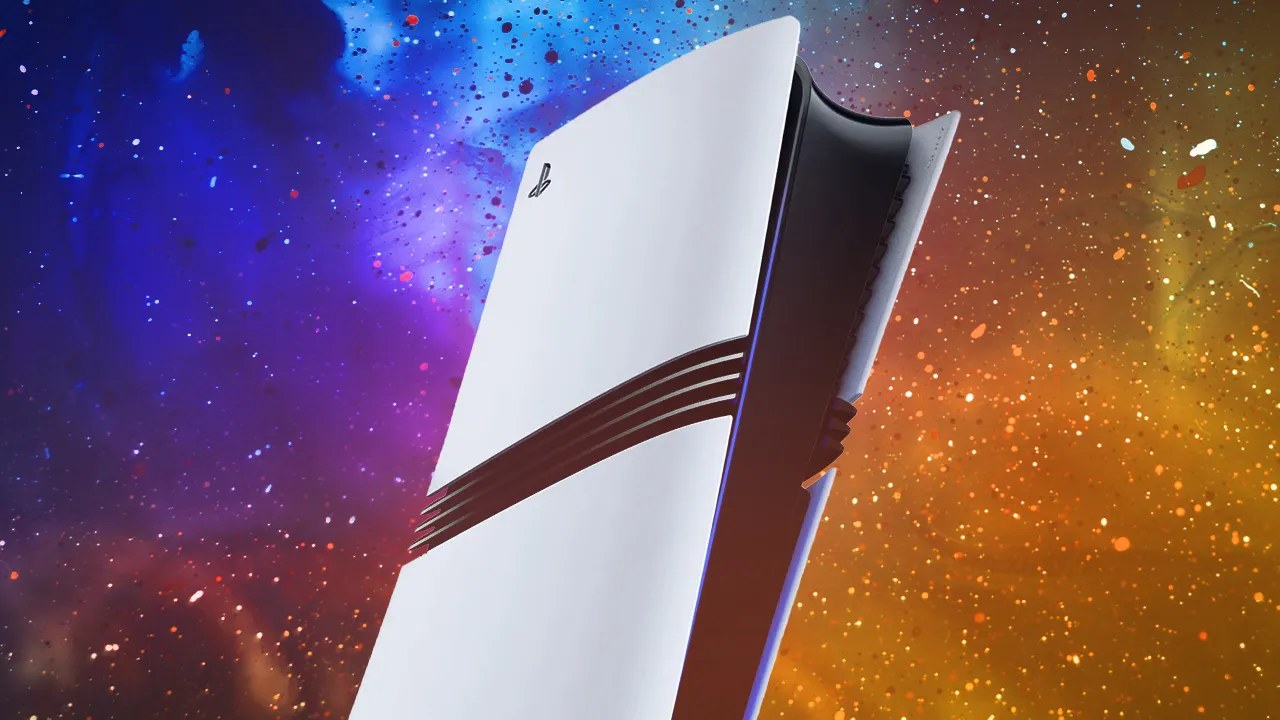
Former PlayStation Worldwide Studios head Shuhei Yoshida has urged Sony and Nintendo to extend the lifespan of their current-generation consoles for as long as possible, citing soaring hardware costs and a consumer base that is already content with the PS5 and Switch 2. Speaking to The Verge, Yoshida argued that console makers should focus on sustaining their existing hardware platforms rather than rushing toward next-generation machines, a stance that aligns with the price hikes that have already hit both the PS5 and Switch 2 in recent months.
While Yoshida offered no insider confirmation of either company’s internal plans, his comments arrive at a moment when the economics of console development are under intense scrutiny. Memory prices have skyrocketed in a phenomenon dubbed “RAMageddon,” driven largely by demand from AI datacenters, and the resulting supply constraints are reshaping what it costs to build and sell gaming hardware.
“People Are Very Happy Using PS5 and Switch 2”
Yoshida, who led PlayStation’s global first-party studio operations before departing the company, suggested that both Sony and Nintendo have already captured a sufficiently large installed base to justify stretching the current generation out. “Sony and Nintendo have sold enough numbers of their current-generation hardware, so because of the cost of goods, they might be looking [at] pushing back the launch of next gen,” he said. “I think they should try to keep the current generation as long as possible, because people are very happy using PS5 and Switch 2.
“People have [a] finite budget, and it feels like PC and consoles, the components very specific to these devices have increased their price way more than all the other forms of entertainment. People who have systems like PS5, Switch 2, or PCs – you know, good enough PCs – probably will be happy to play games on them and not necessarily consider replacing [them].”
Shuhei Yoshida, former PlayStation Worldwide Studios boss
The former executive’s observations touch on a broader shift in how consumers allocate their entertainment spending. With the cost of specialized components climbing faster than most other categories, Yoshida implied that owners of capable machines have little incentive to upgrade, particularly when the value proposition of a new console is unclear.

The RAMageddon Problem
The underlying driver of these cost pressures is a global shortage of computer memory that has left much of next year’s production capacity already committed. Because memory production resources are limited and heavily diverted toward AI infrastructure, console makers could face physical constraints on how many next-generation units they can manufacture, let alone at a price point consumers would be willing to pay.
The financial reality is already visible at retail. The PS5 launched with a disc drive at $500 and a digital-only model at $400, but those machines now cost $650 and $600 respectively — increases of $150 and $200 since 2020. The PS5 Pro debuted at $700 and now commands $900. By contrast, the Switch 2 has risen by $50 since its launch last year, moving from $450 to $500. Taken together, these figures make it difficult to imagine a PlayStation 6 arriving for much less than $1,000.
There is also no indication that Nintendo is preparing to launch a Switch 3 anytime soon, given that the Switch 2 only arrived last year. However, the company consistently devotes a portion of its budget to researching future hardware, and incremental refinements to the current model — akin to the Switch Lite and Switch OLED — will likely be considered at some point.
Developers Aren’t Asking for More Power
Beyond the economics, Yoshida pointed to a lack of enthusiasm for dramatically more powerful machines from both players and creators. “I don’t think lots of people are asking for more power — ‘We need more power!’ — or even developers,” he said. “I don’t think developers are asking [for] better hardware! So I think that means that the current generation, Sony and Nintendo are going to do pretty well for many years to come, still.
The notable exception to this trend is Xbox, which has been more vocal about its push towards a next-gen offering with Project Helix. But Microsoft’s ambitions come at a time when the company has not moved truckloads of consoles in recent years, making the challenge of reshaping the competitive landscape all the steeper.
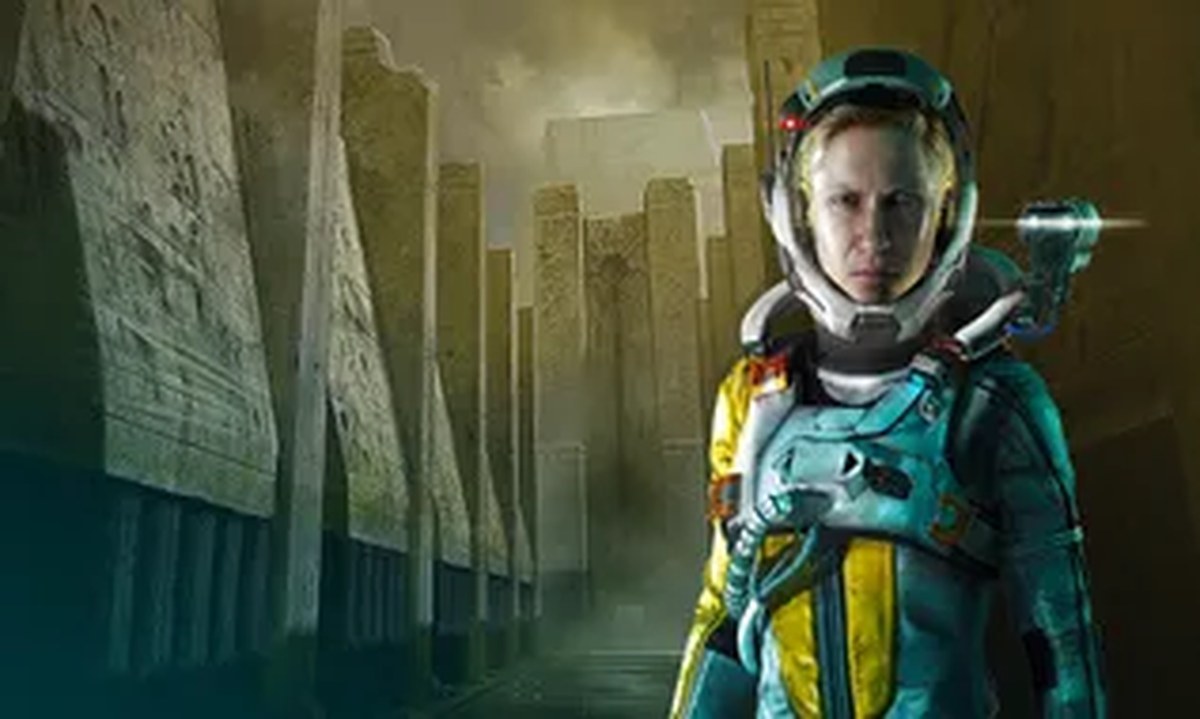
“Xbox is a team who wants to change the competing landscape, so it’s going to be hard for them, but it’s their time to play. It’s very exciting, what’s going to happen next year?”
Shuhei Yoshida, former PlayStation Worldwide Studios boss
Looking Ahead
When it comes to the next PlayStation, the timeline remains murky. Analysts had previously floated a 2028 launch as plausible, but as time passes, that late 2028 release date feels less and less likely. Yoshida’s comments add weight to the idea that Sony may be inclined to delay next-gen hardware rather than rush it to market under unfavorable economic conditions.
For now, the message from one of PlayStation’s most influential figures is clear: the current generation has plenty of life left, and the industry may be better served by making it last. As the memory market continues to tighten and consumer budgets stay finite, the pressure to accelerate a transition to the next generation appears to be easing rather than intensifying.
Tom Phillips is IGN’s News Editor. You can reach Tom at tom_phillips@ign.com or find him on Bluesky @tomphillipseg.bsky.social.



2 comments