


When Critical Role announced its plans to adapt the first chapter of its sprawling actual play Dungeons & Dragons campaigns into a fully animated series, it was inevitable that some of the tabletop saga’s most defining moments would shift, shrink, or vanish entirely. Now, nearly a decade after those original scenes aired, the streaming studio has revealed how one of the most emotionally devastating lines in its history — Scanlan Shorthalt’s “What’s my mother’s name?” — was reworked for The Legend of Vox Machina, and the changes tell a revealing story about the tension between preserving a beloved narrative beat and reaching an audience that never sat through the original hundreds of hours.
For fans of the tabletop campaign, that single question remains one of the most jaw-dropping moments in Critical Role’s history. For viewers of the animation, the same line lands with a very different weight. The divergence stems from a fundamental structural problem: the original campaign ran for over 100 episodes, each stretching between two and four hours, and adapting that volume into a 12-episode season format requires more than simple trimming. It demands a rethinking of character arcs, timing, and emotional context from the ground up.
The Quote That Changed Everything
Throughout Campaign 1: Vox Machina, Scanlan — a gnome bard played by Sam Riegel — served as the party’s reliable source of comedic relief. He caused trouble alongside his companions whether through pranks or by leaning into the Don Lothario archetype, the charming rogue who trades affection for advantage. Yet as the campaign progressed, it became clear there was more to Scanlan than met the eye, especially once the story introduced his estranged daughter, Kaylie. He remained a jokester, but now he had a solid reason to change his ways and become a better man.
That transformation reached its breaking point in episode 85, “A Bard’s Lament.” Coming shortly after Scanlan’s resurrection following the defeat of the Chroma Conclave, Riegel’s single question became one of the most jaw-dropping moments in the entire campaign. Despite having told the party he wanted to connect with his daughter, Vox Machina had defiled Scanlan’s comatose body by covering his room in pudding, dressing him in Pike’s nightgown, and, in short, making him look like a fool in front of her. If the party had done this during the early stages of the campaign, Scanlan would surely have laughed it off. But with everything he had been through, the gnome bard turned the tables on his companions and accused them of caring about him only for what he could do in return.
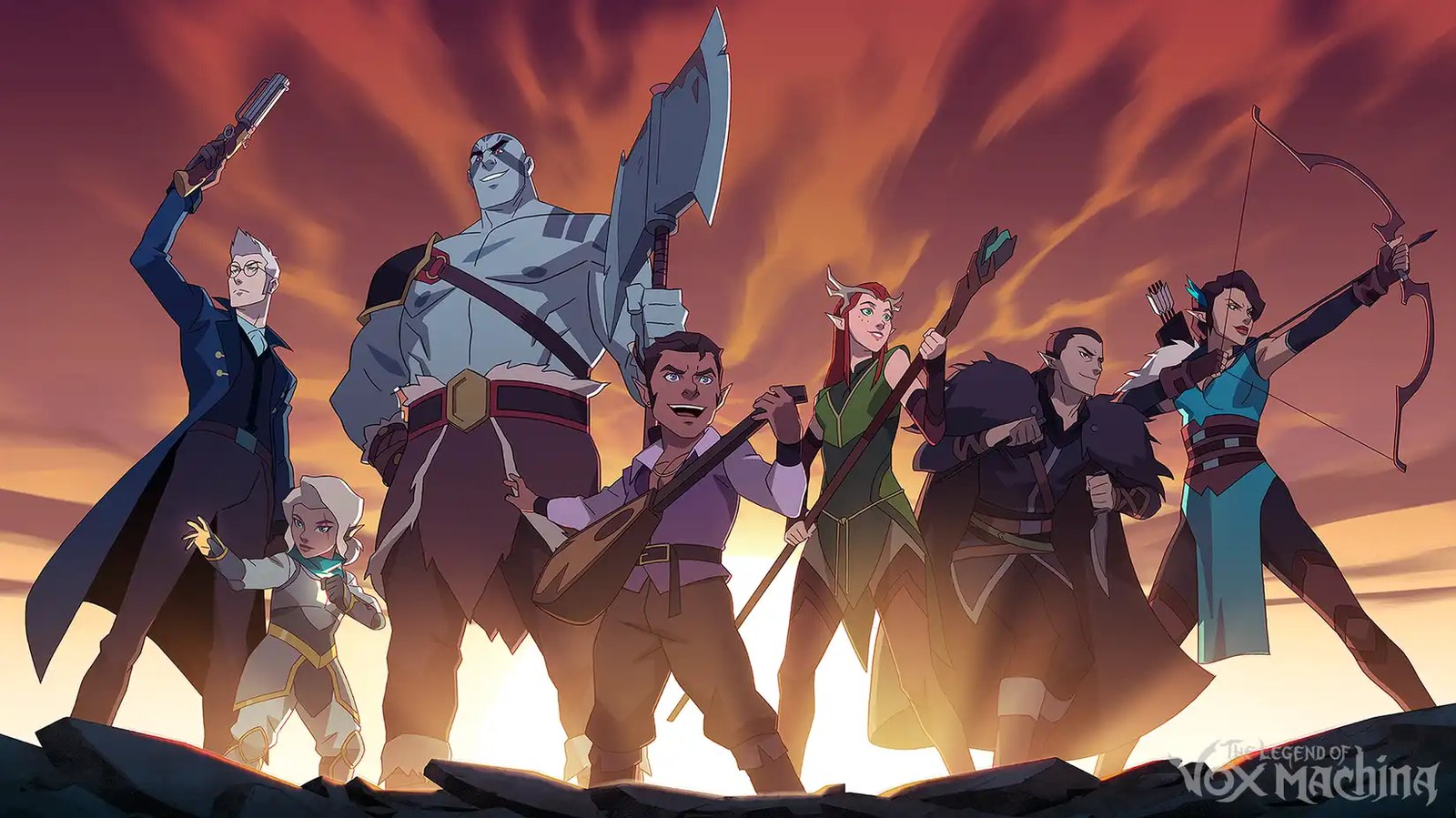
Scanlan listed every sacrifice the party had made for one another — battling giants for Grog, descending into the Hells for Pike — but never for him. When some of the party began to protest, his question and his subsequent demand that they tell him his mother’s name, Juniper, cut so deeply that Vox Machina could do nothing but fall silent. What made the moment especially memorable was that it marked the first time in the campaign that Riegel raised his voice in genuine anger at his companions. He had often played Scanlan as exasperated, but here he revealed a man who realized his choices had made his relationships feel transactional and skin-deep. It was little wonder that Scanlan ultimately chose to leave and work on his relationship with Kaylie.
Adapting hundreds of hours of actual play into a condensed animated season means some moments land differently — but that doesn’t mean they land worse.
Critical Role
How the Line Changes in the Animation
The “What’s my mother’s name?” quote in The Legend of Vox Machina differs markedly from the actual play in several key ways. For one, viewers spend considerably more time with Scanlan as he grapples with his strained relationship with Kaylie, giving the emotional stakes room to breathe. Second, Pike Trickfoot appears far more often in the animation than in the tabletop campaign, meaning Scanlan has someone in his corner much more frequently. The animation also gives him less time for pranks and jokes, focusing instead on his heroics and portraying him as more than mere comic relief.
Most importantly, the quote occurs under entirely different circumstances. In the animated series, it happens after Scanlan learns that Vox Machina visited him during his musical tour with Kaylie. He assumes the party has come to reconnect after so long apart, but in reality they have arrived to obtain the magical item Mythcarver. While still hurtful, that is not quite the same as being thrown at the party after they had humiliated him in front of his daughter.
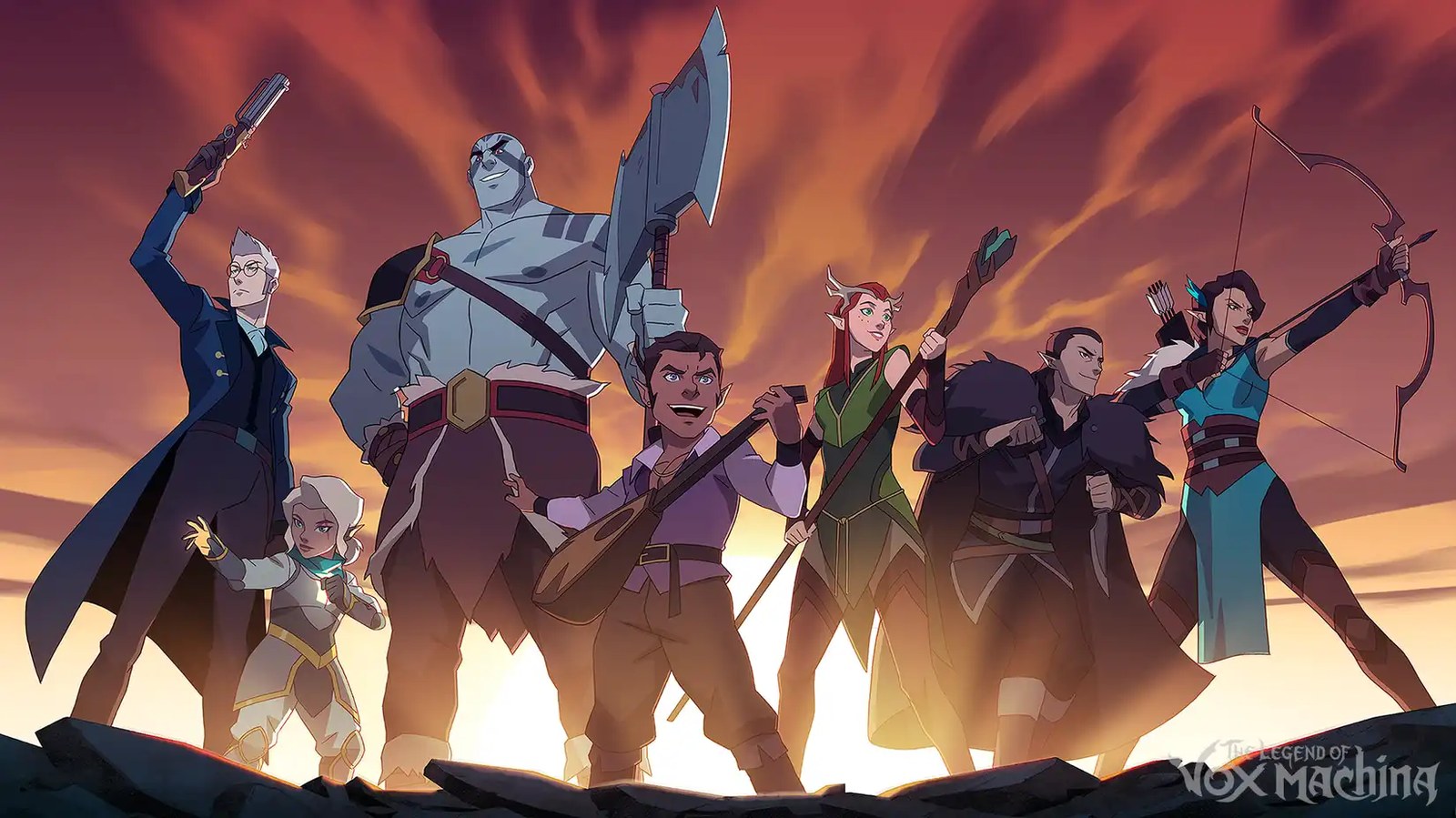
As a result, Scanlan’s line is not as shocking as it is in the tabletop campaign. It still shames Vox Machina when they realize they don’t know the answer, but the circumstances surrounding the quote are not as dire as they were in the original.
Looking Ahead
Yet that difference does not necessarily mean the shift from actual play to animation is inherently worse. The change largely stems from Critical Role’s need to condense hundreds of hours into digestible 12-episode seasons. It also reflects the co-founders’ hindsight about their characters’ endgame in Campaign 1, and how to introduce them to an audience that has never watched hundreds of hours of the tabletop campaign. Would viewers who know nothing about Critical Role’s history as friends — or how wacky shenanigans can get during a tabletop role-playing campaign — accept Vox Machina’s heroes torturing one of their own in a moment of vulnerability? The studio doubts they would.
Critical Role made a bold shift in how it presented Scanlan’s powerful quote, and it is clear every Critter has a favorite version. Ultimately, though, the studio is satisfied that both iterations — tabletop and animation — work well in depicting what the narrative needed at the time. As the Legend of Vox Machina continues to roll out its remaining seasons, this single line stands as a quiet reminder that even the most beloved moments of a story are never truly fixed. They evolve, adapt, and sometimes land in a new light — but they never lose their power.



Join the conversation