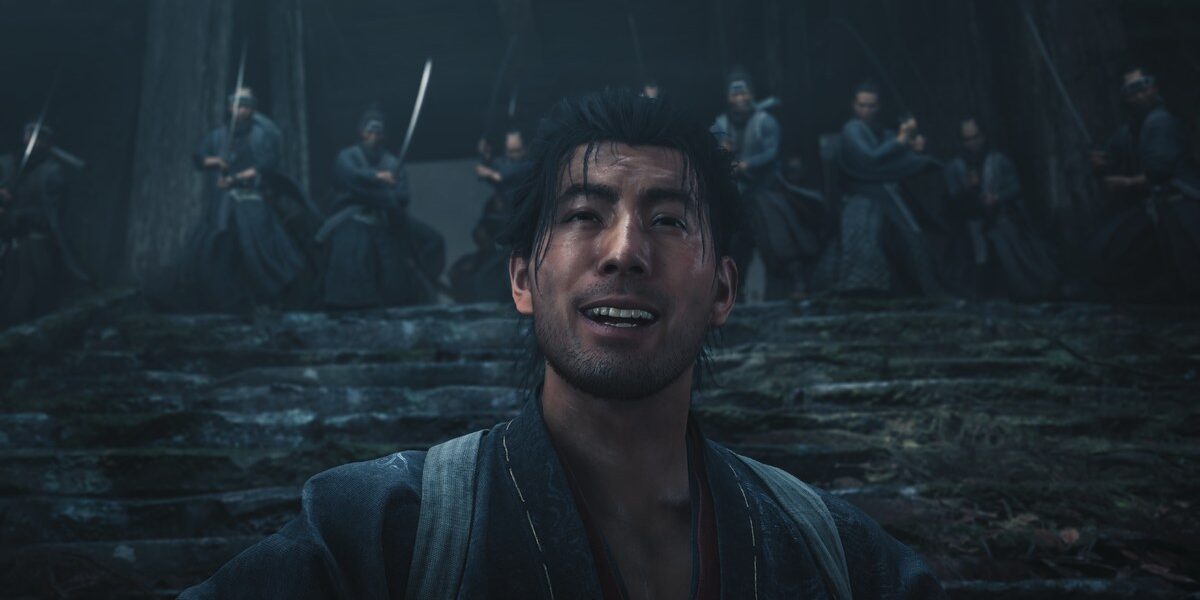
Onimusha: Way of the Sword – A Hilarious Samurai Epic That Sometimes Forgets to Laugh
Onimusha: Way of the Sword bursts onto the scene with a chaotic energy that’s both hilarious and captivating. Our wandering ronin, Musashi, wakes up under a bridge, delivers a surprisingly British “WOT?!” to some starving urchins, and then proceeds to be chased by what feels like an army of martial arts students. It’s goofy, brash, and genuinely funny – a refreshing change from the often-serious world of fantasy slashers.
The Promise of Laughter
Why, then, does Way of the Sword sometimes shy away from this infectious energy? I’m only a few bosses in, but so far, it seems to be struggling to maintain that initial comedic spark. It wants to be everything at once: macabre feudal horror, a shonen manga power fantasy, and even a quiet exploration of Kyoto.
Underneath the tonal whiplash lies a solid action-adventure game with one of the smoothest and most satisfying sword-deflecting mechanics I’s seen in a while. It’s a good game, but it could have been great if it embraced its humor more consistently.
The Art of Musashi
That opening sequence works so well because it simultaneously elevates and subverts Musashi’s image as a master swordsman. We see him confidently dispatching enemies in a duel, only to be chased by an army and forced to take cover behind a pigsty. Capcom has animated him beautifully, from his awkward shuffling to the wonderfully expressive contortions of his face (originally portrayed by samurai cinema icon Toshiro Mifune). Even the English voice acting by Kenichiro Thomson is pitch-perfect, with every grimace and bewildered pout adding to the character’s charm.
Even the combat can be funny. With or without the cursed arm, it’s heavily physical and reactive, allowing for moves like redirecting charging enemies into each other with a parry, sending them crashing into walls or even embedding themselves within them. And, amusingly, Way of the Sword dips into Jackie Chan-esque prop-fu, furnishing environments with boards, carts, or chuckable barrels to use as improvised weapons. Again, it’s presented more silly than desperate, and there’s something inherently hilarious about vanquishing an ancient evil with a big wheelbarrow.
Granted, for a consistent comedy angle to work, Way of the Sword would need to be significantly trimmed. The initially lively pacing is quickly curbed by numerous cutscenes and NPC conversations, only some of which are genuinely funny (or elicit a Musashi grimace). The semi-open world structure feels odd; Kyoto’s layout effectively keeps you moving through corridors anyway, and it’s hard not to wonder if a more compact format would have served both the combat and presentation better. There are times when these comedic highlights are spread out by nothing much at all.
Then, just when your shoulders start sagging, a new monster shows up with the mad look and even madder behavior of a Metal Gear Rising boss, and everything is well again. That’s why I’m going to keep playing Way of the Sword: it doesn’t forget its strengths, even if it doesn’t always embrace them.



Comments
Be the first to comment.