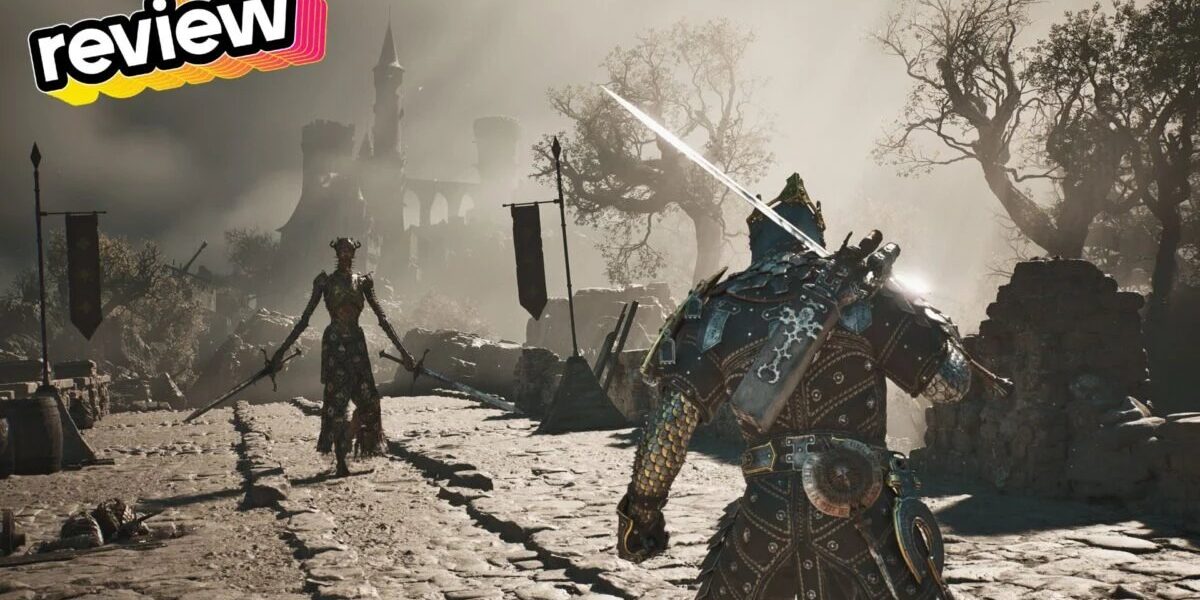
Look, let’s be blunt. This game kicks off with some seriously twisted cult stuff. And I mean that in the best way possible. Those dancing lunatics in their uniform robes, consumed by a deep, unsettling belief that even the most heinous acts are somehow “good”? Yes, please. A dash of fanaticism, a sprinkle of murder, a touch of cosmic retribution, and that nagging feeling that something far more sinister is lurking beneath the surface? Sign me up.
Mortal Shell II starts exactly like this, almost as if Cold Symmetry is directly addressing fans who crave this kind of experience – you might even call them the “cultlike Souls crowd” – assuring them they’re in for a treat. And folks, it doesn’t stop there; this isn’s even the only cult in the game.
Reviewing games can be an odd exercise. You need to articulate why someone should or shouldn’t play something, which requires a thesis or at least a unifying theory. But from the moment I started playing Mortal Shell II, I couldn’t shake one thought: this is the most metal video game I’ve ever played.
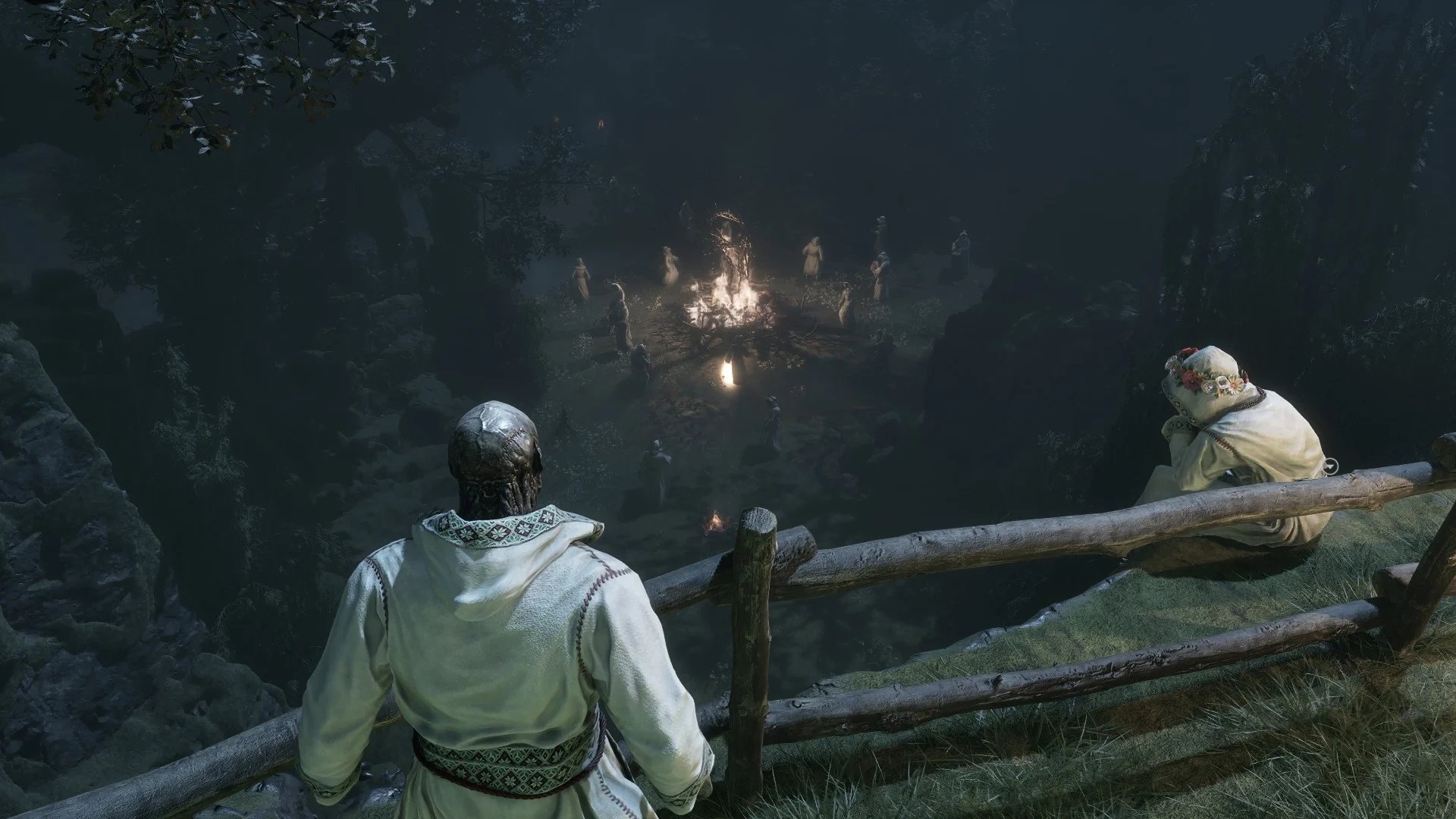
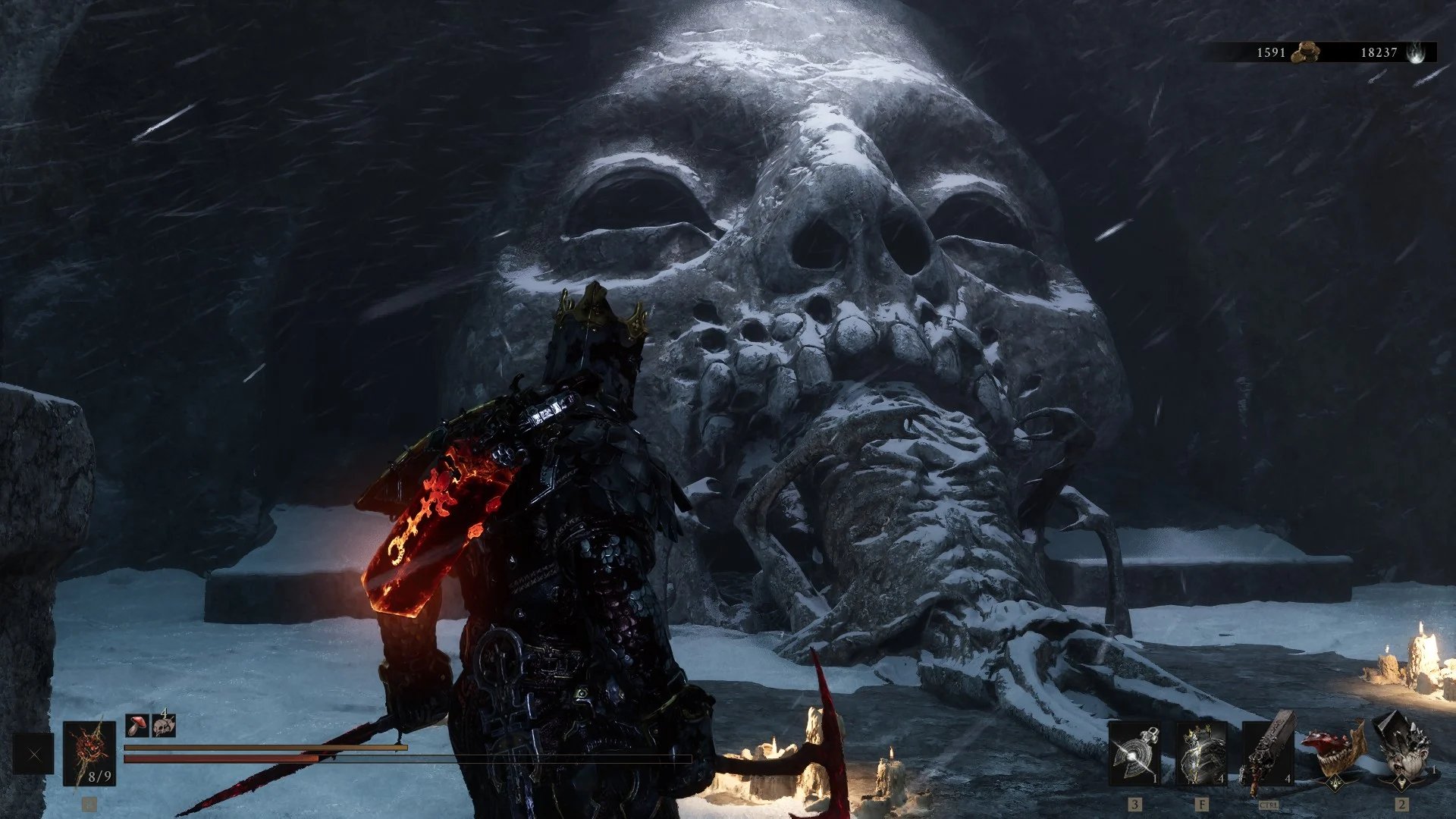
I don’s mean “ha ha, dark fantasy is metal, there are skeletons, someone’s getting impaled, it’s like an album cover” metal. I mean, this is fucking metal metal. Proof? Just look at this:
And this:
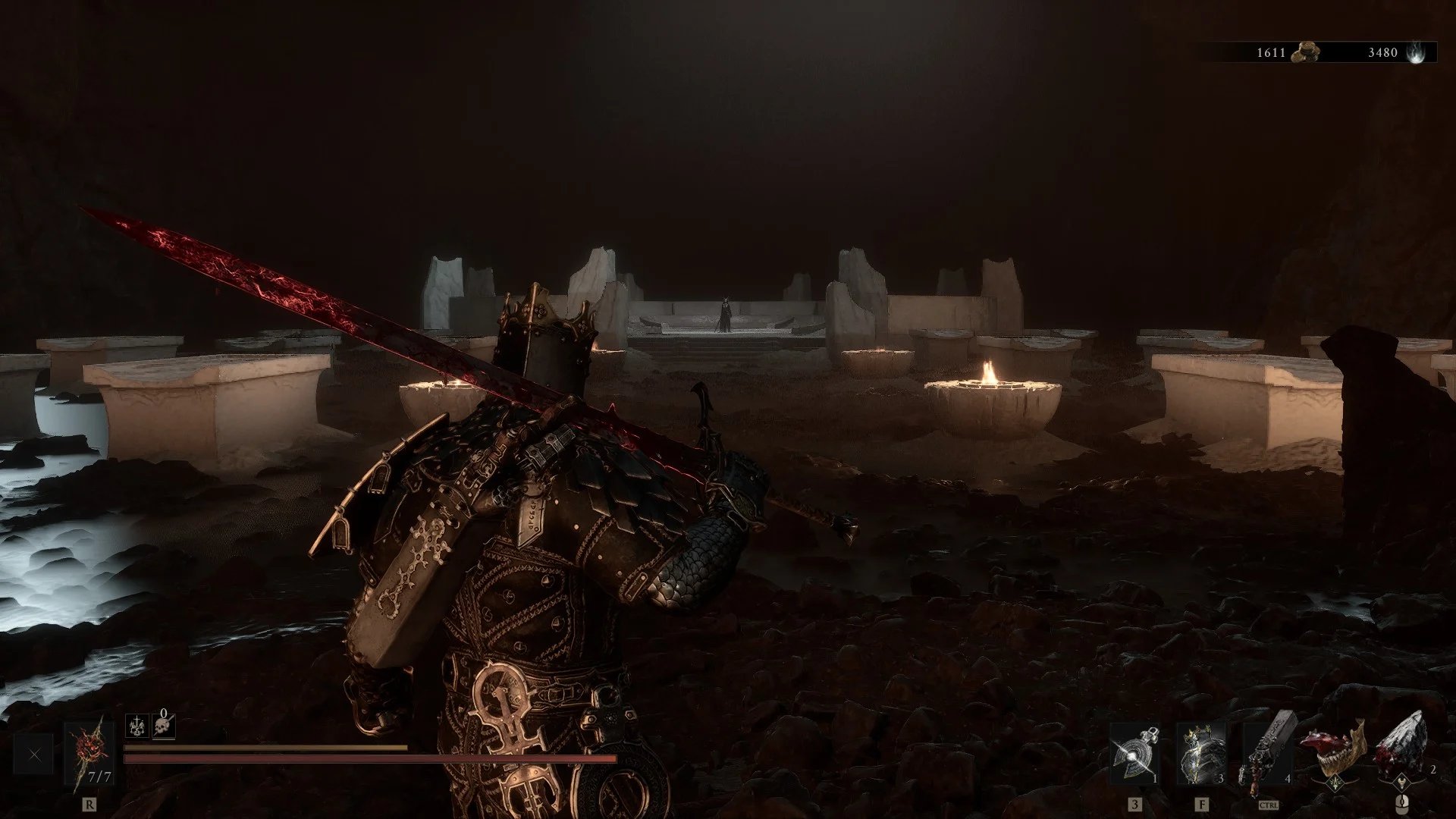
And Jesus Christ:
Every frame of animation in this game feels like it was crafted by someone who desperately wants a perpetually cloudy sky above their abandoned 19th-century mansion. It’s a game best experienced in a darkened room, lit by flickering candles, in near silence, while a raging thunderstorm rattles the foundations of the dilapidated church where you might be playing it.
In a crowded field of Soulslikes, a genre often characterized by its dour atmosphere, Mortal Shell II dares to ask: “What if we cranked up the darkness even further?” The sequel to Cold Symmetry’s 2020 release, Mortal Shell, shares its predecessor’s core mechanic: shells, which are essentially character classes with unique abilities that can be swapped out at each rest location. While the first Mortal Shell excelled in its tight and compact design, the sequel is a much more sprawling experience, offering plenty to discover throughout an open environment filled with weapons, mini-dungeons, and Tarstones that augment your character, allowing for diverse build options.
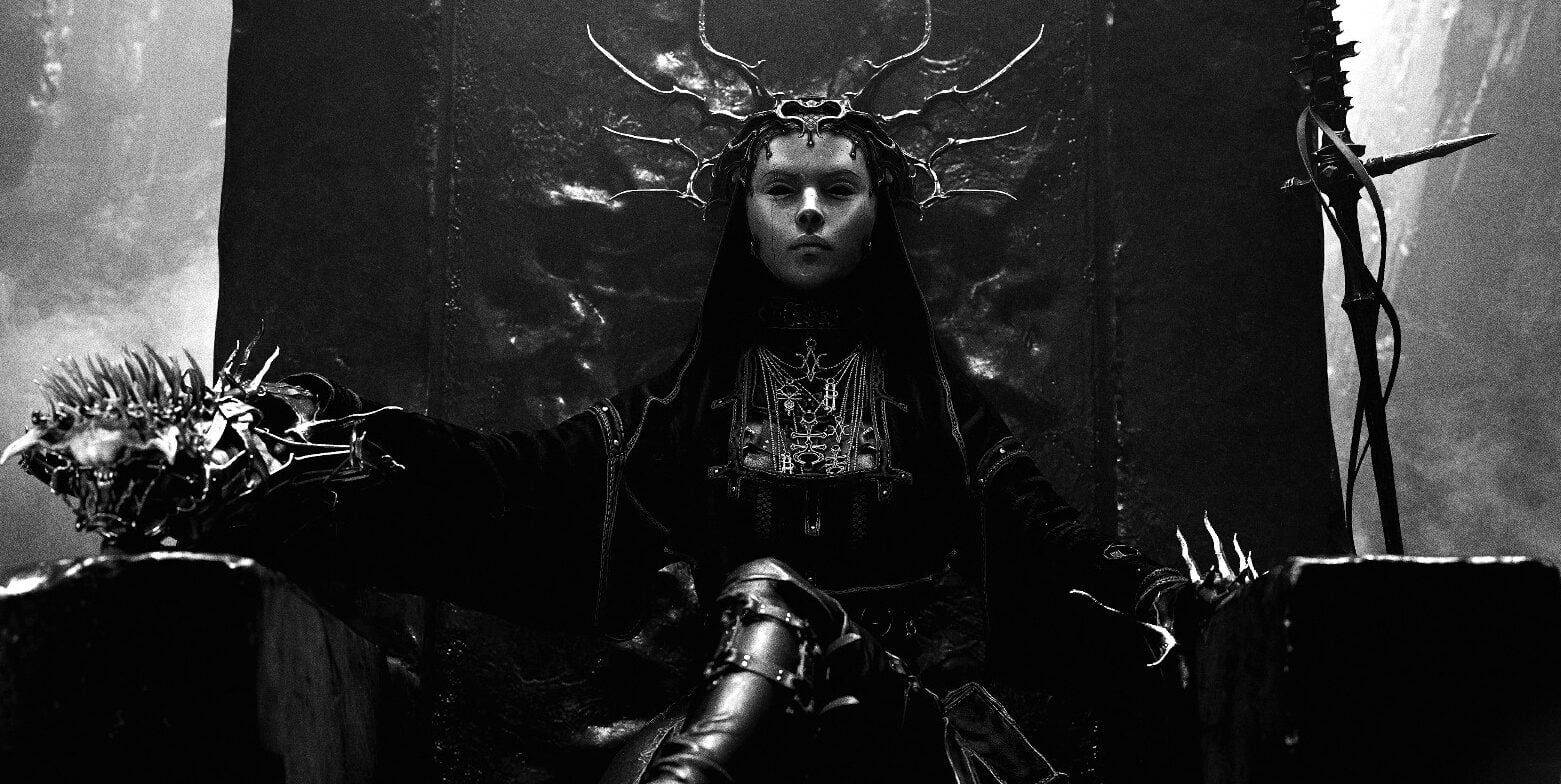
Mortal Shell II, like its predecessor, draws inspiration from games like the Blasphemous series, which takes itself so seriously it borders on comedy. This is a compliment. There’s much to love about playing Mortal Shell II, but the game’s atmosphere drips with an almost palpable sense of dread. I was completely immersed in it, and I couldn’t get enough. There will be times when you might think, “Damn, Mortal Shell II, tone it down a bit.” But Mortal Shell II will tell you to eat shit. There are no brakes; only double bass kick drums. Gaze out at the vistas of this world, and you’s see a hellscape straight out of a Wayne Barlowe painting. I couldn’s get enough of just looking around.
Killing monsters? Finding new weapons and shells? Stumbling into another minor boss fight in yet another bespoke mini-dungeon? Absolutely. These are the things that drive me, because I love exploring these places.
Your goal is essentially to collect a series of MacGuffins that unlock endgame activities, but the true joy lies in the experience itself. It’s about wondering whether to head up a hillside to fight a snail with a bell on its back or take that warp over to the black-robed lady with knives. This is a densely packed game, and the lack of clear direction as to what might be found where keeps you constantly engaged. My lingering questions about what the knife lady might be defending or what lies behind Mr. Snail are why I’s keep coming back for more.
Nearly every checkpoint has a small dungeon attached to it, with plenty more peppering the landscape. I found that the best of these weren’t just skill checks but fun little brain teasers that often hid extra goodies like forging materials and experience point dumps as rewards for thorough searching. I love basking in how smart I am as much as I love cackling at the screen after successfully killing something. Both things can be true.
But those skill checks are there, of course. Games in the Soulslike subgenre come with a certain reputation. Thankfully, developer Cold Symmetry offers elegant solutions for players who find this demanding, parry-heavy combat unpalatable. First is an item found early on: the Slayer Seal, a defensive implement that augments your abilities to deal more stagger damage, heal you, and more. This is a well-implemented way to offer an “easy mode” because, while using it, you still engage with combat on the game’s terms.
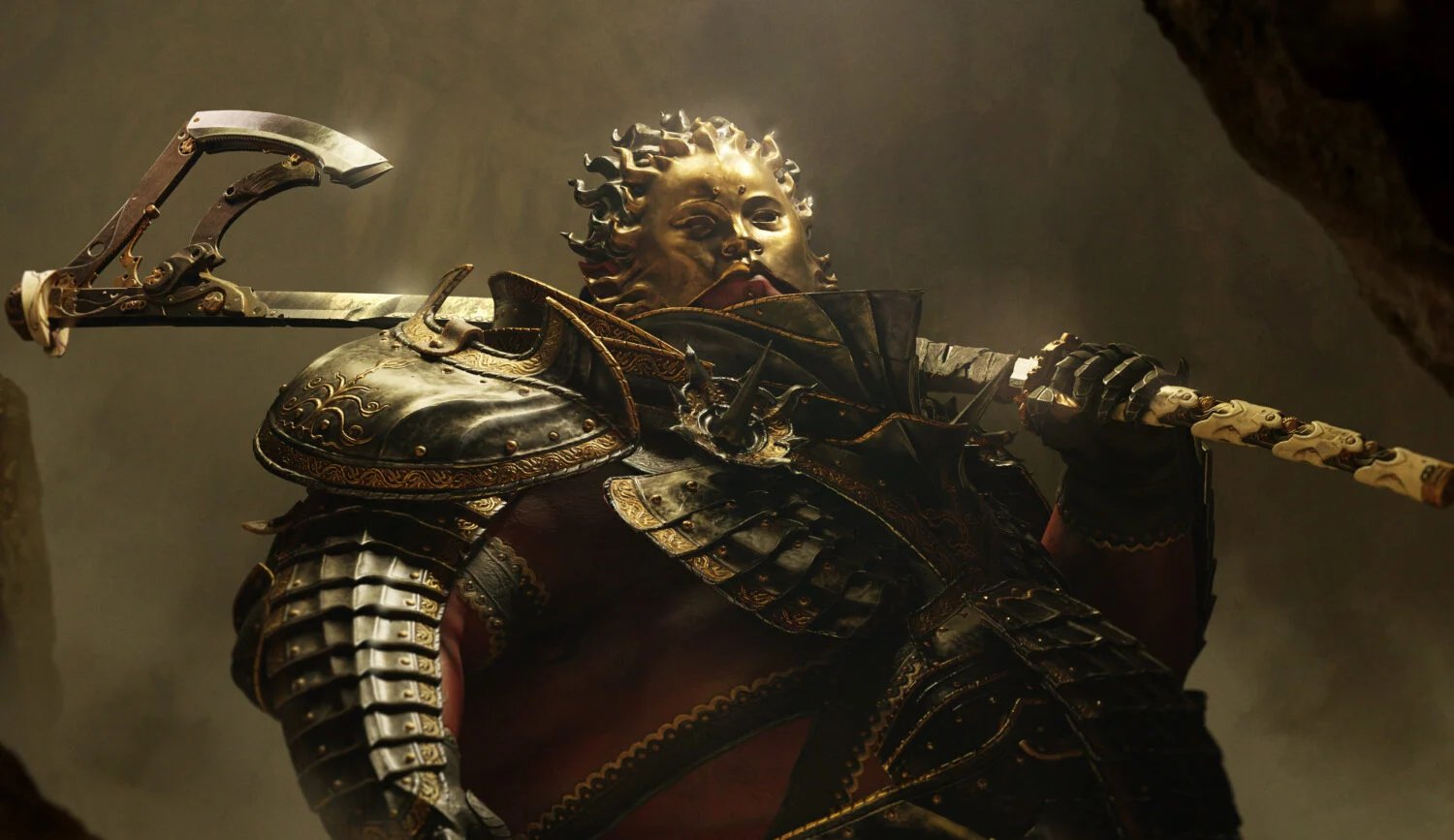
And then there’s the combat itself, which introduces what might be Mortal Shell II’s most controversial design decision: the elimination of the Souls-standard stamina meter. In Mortal Shell II, you can attack, run, and dodge without restriction. In the early phases, this meant I could overwhelm smaller enemies by planting well-timed attacks before they got to me. I admit I initially scoffed at this. Taking away a key design tenet felt like backward thinking. Over time, and after countless enemy encounters and character builds, I came around to how movement and spacing were more important than managing another meter on screen.
Do I want this abolished in games forever? Not a chance. But for Mortal Shell II’s lumbering protagonist, it’s the right decision. And this kind of combat, coupled with the variety of abilities afforded by the shells and the weapons and augmentation items practically everywhere, means Mortal Shell II pulls off the neat trick of straddling the line between Soulslike combat and that found in other, more traditional action games.
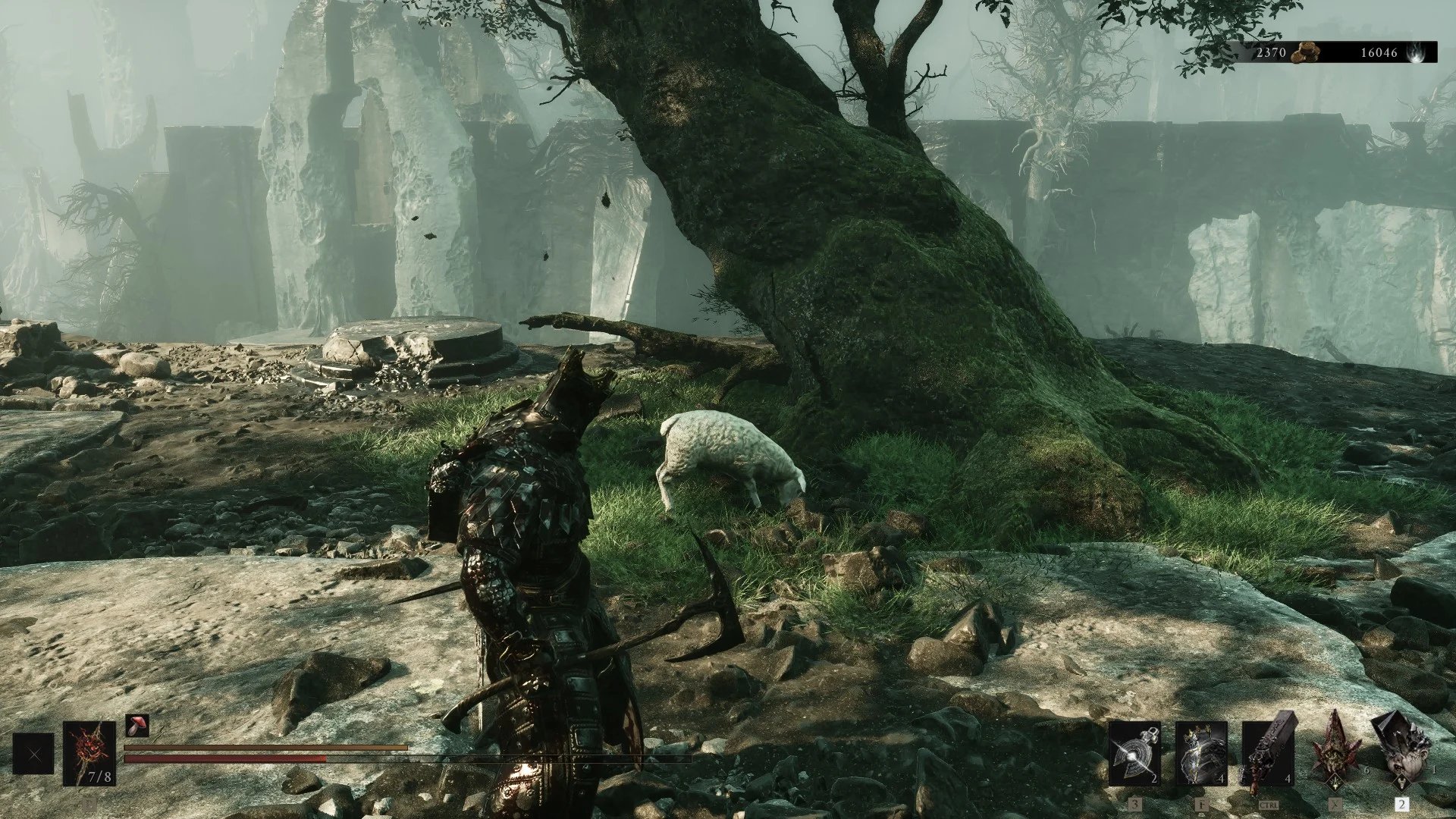
This isn’t to say the game will transform into a high-flying, combo-heavy experience overnight, but there was a point near the endgame when I had the right set of abilities and weapons to practically mow down enemies. Pretty satisfying. This is gamey stuff. You won’t find me delving into the minutiae of character builds, finite special items, boss encounters, etc., because others are preparing you for those things if that’s what you want. What I can say is there’s a robustness to character building not found in the linear, predictable increases to your statistics as you level up. Each shell has varied skill trees that unlock alongside sometimes satisfying, sometimes shrugworthy narrative beats. I found this game perhaps less challenging overall than others in the genre (though this will likely be balanced and adjusted over time). You can crank the game up to a harder difficulty mode if things get too easy (and with additional content within). Both money and upgrade materials felt scarce by the midgame, forcing me to grind enemies for cash.
And yet, these things are not why you should play this game. You should play Mortal Shell II because it might conjure something from a nether dimension with too many consonants to pronounce. The reward is the experience itself, and there’s a sense of place, tone, and presence that I can’t get enough of. The cult is satisfied.
Source: Kotaku




Comments
Be the first to comment.