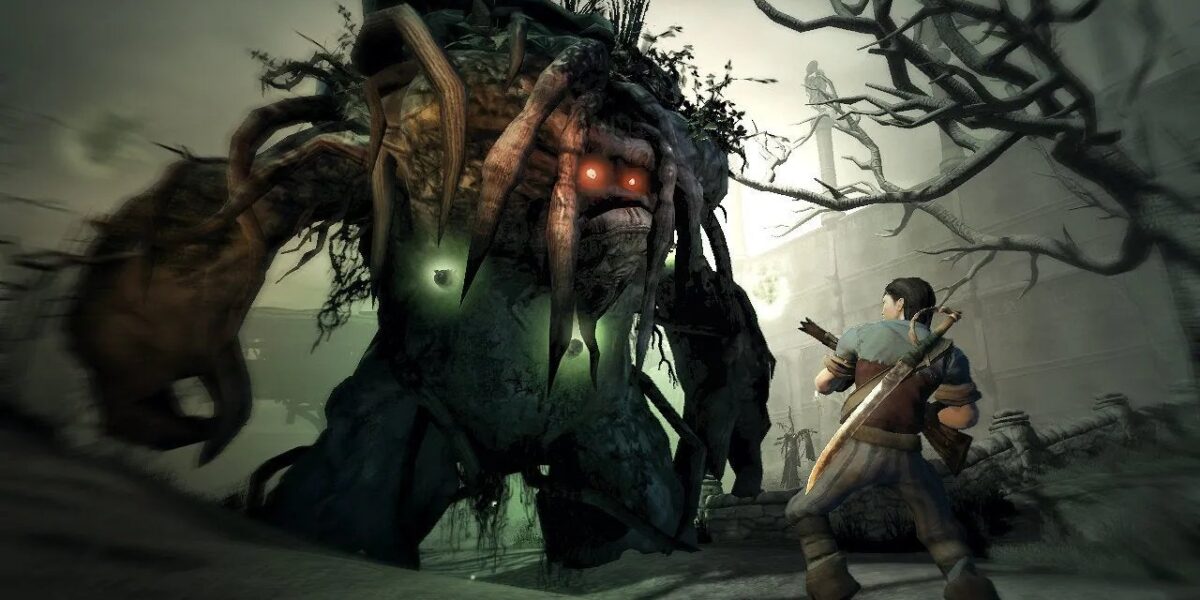
Playground Games has revealed how its long-awaited Fable RPG managed to survive more than a decade in development despite a wave of layoffs and studio closures that reshaped Xbox’s landscape, with the game set to finally launch on February 23, 2027. The revelation comes as director Ralph Fulton explains why the franchise remained protected while countless other projects were quietly dismantled across Microsoft’s gaming division — a story that underscores how few titles can weather such turbulence.
The project traces its origins back to 2017, just one year after Microsoft shut down Lionhead Studios, the original creator of the classic Fable series. Ten years on, Playground Games’ ambitious RPG is emerging into an entirely different gaming world — one defined by consolidation, retrenchment and a strategic pivot toward artificial intelligence.
A Franchise That Outlasted Xbox’s Biggest Shakeups
Fulton’s account paints a striking picture of the instability surrounding Fable’s development. When work on the game began, Xbox had not yet acquired We Happy Few maker Compulsion Games, Psychonauts studio Double Fine, State of Decay developer Undead Labs, or Hellblade team Ninja Theory — any of which it subsequently let go this summer. The company was also yet to establish The Initiative, the team it funded with millions in pursuit of a Perfect Dark revival before closing after seven years with nothing to show for it.
At that point there was no indication Xbox would commit $7.5 billion to Bethesda — including id, MachineGames and the now-divested Tango Gameworks — nor drop $68.7 billion on Activision Blizzard. The acquisition spree that followed was matched by successive rounds of job cuts.
The layoffs began in January 2024 with roughly 1,900 positions slashed, many from the newly acquired Activision Blizzard, followed later that year by at least 650 more departures and the closure of Redfall maker Arkane Austin. Microsoft then shed around 9,000 staff as it redirected spending toward AI, effectively wiping out The Initiative along with workers from Forza Motorsport team Turn 10 and veteran British studio Rare — whose decade-plus effort on Everwild was ended.

This year’s cuts, the first to originate from new Xbox boss Asha Sharma, are set to affect around 3,200 employees and have cast serious doubt over the future of Marvel’s Blade developer Arkane Lyon. Through it all, Fable endured.
“Vital to the DNA of the Platform”
Fulton told The Guardian that the franchise simply remained too important to abandon. “I genuinely think Fable is an important game,” he said. “What has protected us over a long development cycle is that so many people within Xbox view Fable as vital to the DNA of the platform.”
He went further, framing the RPG’s significance beyond Microsoft’s own ambitions: “I would go a step further and say it’s important to video games as a whole. It offers a combination of elements that simply doesn’t exist anywhere else.”
The comments reflect a broader reality about the industry. Decade-long development cycles are rare in modern gaming, where budgets balloon and timelines compress. Fable appears among Xbox’s few core brands — alongside Halo, Forza and Gears of War — central enough to justify its lengthy road to release even as untested ideas like Everwild were quietly shelved.
Financial pragmatism also played a role. While one team within Playground Games focused on building Fable, another remained busy producing the critically acclaimed and commercially successful Forza Horizon series, which would have helped sustain the studio through an otherwise precarious period.
Looking Ahead
When it arrives on February 23, 2027, Fable will stand as a rare example of a flagship title that not only weathered Xbox’s most turbulent years but did so without being sacrificed to short-term cost-cutting. Its survival may well offer a benchmark for how studios can protect ambitious, long-gestation projects in an era increasingly defined by consolidation and rapid change.




Comments
Be the first to comment.