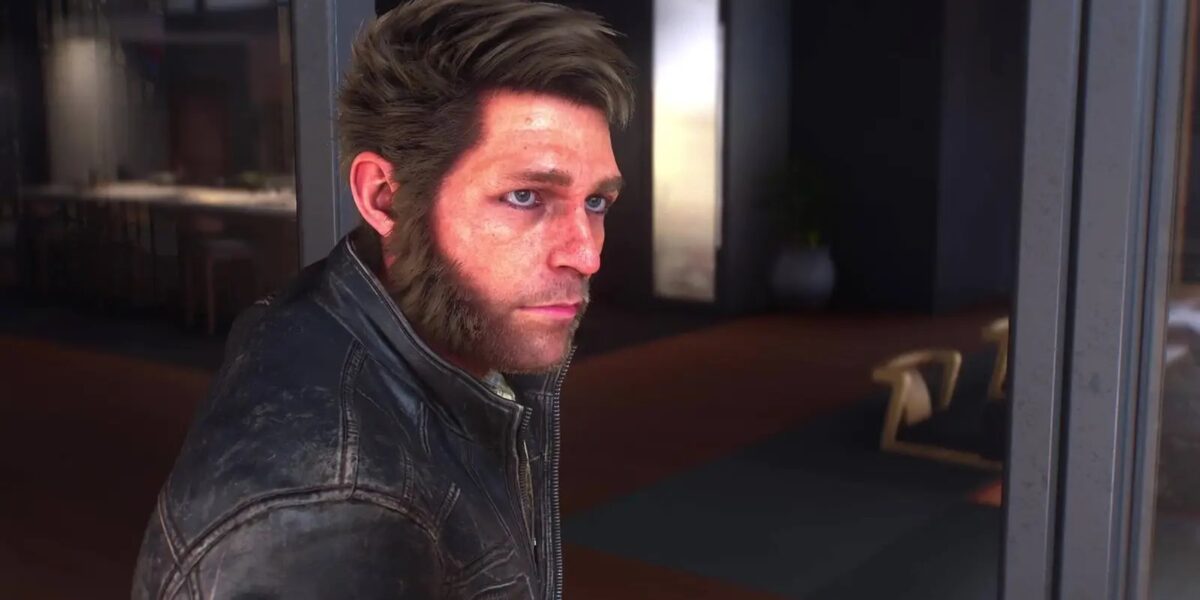
As Sony officially launched Marvel’s Wolverine today, developer Insomniac Games has already begun rolling out fixes to address the game’s most criticized systems — a swift response to the overwhelmingly negative critical reception that greeted the title before its release. The wave of backlash appears to have dashed any Game of the Year ambitions and snapped a long-running streak of strong debuts for Sony, prompting Insomniac to publicly commit to improving the experience through future updates.
The announcement came from James Stevenson, Insomniac’s director of communications and marketing, who posted on X just hours before Wolverine‘s official release. In his message, Stevenson wrote that the studio had “been 100% listening over the last few days and the team has been cooking hard today in response to some of the feedback.” He closed the short post with a wink: “In case you were wondering what that smell out of our kitchen was.”
That final line is widely interpreted as a nod to one of the game’s most contentious features — the controversial scent trails. Marvel’s Wolverine is available now exclusively on PlayStation 5, and while the launch window has opened, the conversation around its design choices shows no signs of quieting down.
The Scent Trail Controversy Explained
Throughout the campaign, Wolverine will see colorful scent trails that lead him toward objects or designate the proper route through a given level. The game was always marketed as a more traditional linear experience, in contrast to the open-world freedom fans have come to expect from Insomniac’s Spider-Man titles.
Still, many reviews felt that Insomniac’s systems made Wolverine play like a title with guardrails constantly steering the player along an intended path — for fear they might wander off course. The scent paths became the lightning rod for all these complaints, and fans who had not actually played the game until today latched onto them in increasingly bad-faith arguments.
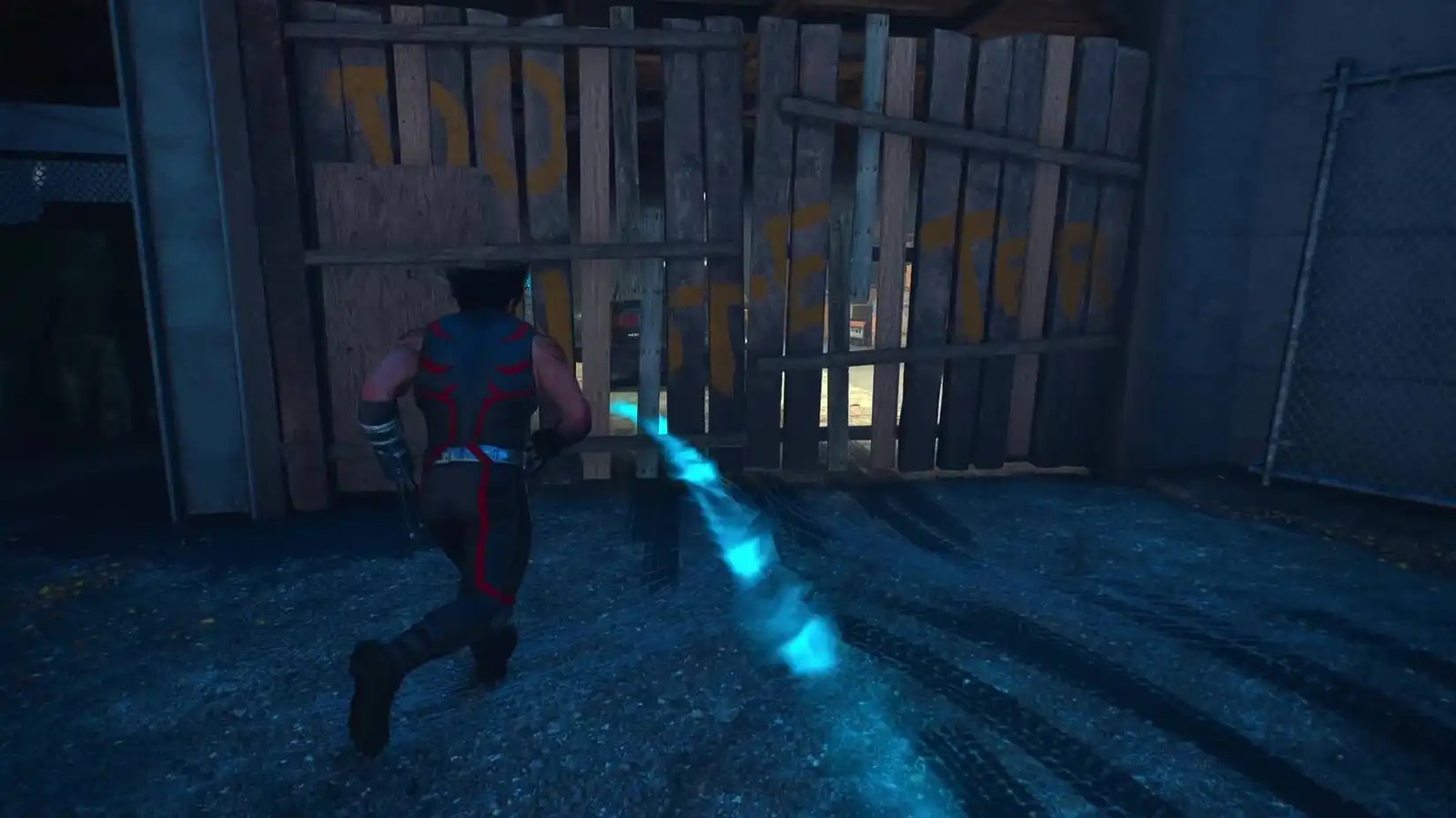
The feature is meant to serve a functional purpose: guiding players through moments where environmental storytelling or level design would otherwise leave them uncertain of direction. But its prominence — combined with the game’s overall reception — has turned it into a symbol for broader frustrations about Insomniac’s approach to player agency in this entry.
Can Updates Fix the Core Problems?
Stevenson’s assurance that Insomniac plans on rolling out more updates is encouraging, but critics are skeptical that patches alone can rectify deeper structural issues. In our review, we noted that while the moment-to-moment combat may be serviceable, it “isn’t enough because it is completely at odds with the story Insomniac struggles to tell.”
The reviewer went further, arguing that “the entire emotional crux of the story falls apart because the action has to feel fun, fluid, and tantalizingly violent at all times. I never believe that Logan is holding something back, because I as a player never butt up against any friction that encourages me to hold back.”
This tension between spectacle and substance sits at the heart of the backlash. Players who expected a grounded, character-driven Wolverine saga found instead a relentless barrage of combat that prioritizes momentum over meaning — leaving the narrative’s emotional beats feeling hollow by comparison.
“In case you were wondering what that smell out of our kitchen was.”
James Stevenson, Insomniac Games 
The joke may land with fans, but it also underscores how much attention the studio is paying to community sentiment. Whether those updates will meaningfully shift perceptions remains to be seen — and whether they can restore confidence in a launch that has already ended one of Sony’s most reliable streaks.
Looking Ahead
With Marvel’s Wolverine now live on PlayStation 5, the focus shifts from first impressions to sustained engagement. Insomniac’s commitment to post-launch support offers a glimmer of hope for players who want to see the game mature beyond its flawed debut.
The coming weeks will be telling: if the updates address both the surface-level complaints — like the scent trail system — and the deeper concerns about pacing, narrative weight, and combat design, they could help salvage the title’s reputation. Until then, the community remains divided between those who see a fixable product and those who believe its core identity was never quite right.
For now, Sony and Insomniac have both signaled that this is not a case-and-forget release. The question is whether “cooking hard in the kitchen” will produce enough to satisfy a fanbase that has been quick — and harsh — to take its grievances public.






Comments
Be the first to comment.