In recent years, Hasbro has been positioning itself as a major player in the gaming industry, signaling a bold shift from its traditional toy roots.
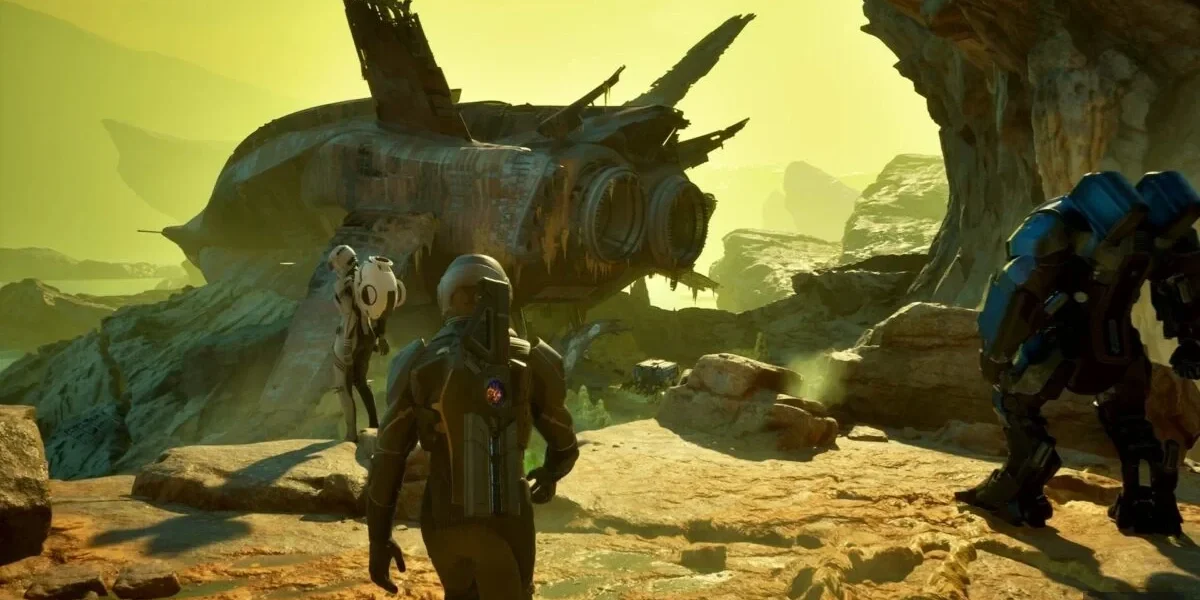
In 2022, the company announced the launch of six in‑house studios. Atomic Arcade was set to develop a GI‑Joe title, Skeleton Key was shrouded in mystery with an undisclosed spooky concept, Archtype Entertainment—based in Washington—was preparing a sci‑fi RPG series called Exodus, and Tuque Games in Montreal, now known as Invoke Studios, was crafting a Dungeons & Dragons adventure titled Warlock. The company also strengthened its Magic: The Gathering Arena team.
The rollout was rocky. Even after the blockbuster launches of licensed titles such as Baldur’s Gate 3 and Monopoly Go! in 2023, Hasbro shuttered five internal projects and initially trimmed a few staff members before a larger wave of layoffs later that year. Senior Vice President of Digital Strategy and Licensing Eugene Evans told Game File that such cancellations are common in the industry, noting that the narrative often shifts from ‘they canceled projects’ to ‘that’s standard practice for everyone.’
In 2024, Digital Product Development Lead Dan Ayoub reiterated Hasbro’s commitment to expanding its internal studio footprint. He revealed that the company has already poured more than $1 billion into game development across four studios—Invoke, Archtype, Skeleton Key, and Atomic Arcade.
In a 2024 interview, Ayoub underscored that video games will be a cornerstone of Hasbro’s century‑long vision, insisting that every title must meet the highest standards of quality and authenticity. While the company currently operates a handful of studios, it aims for far greater expansion.
Subsequent interviews reinforced this commitment. At a 2025 Brandweek panel, Hasbro boldly announced that it would launch its own game development in 2026—an expectation already foreshadowed. In a May interview with The Game Business, Ayoub clarified that none of the six in‑house studios were pursuing game‑as‑a‑service models; instead, they were concentrating on conventional PC and console titles, while the wider organization would still collaborate with external partners on casual, mobile, and even VR projects.
Ayoub outlined that the core of Hasbro’s first‑party catalog will revolve around flagship IPs such as Dungeons & Dragons, Magic: The Gathering, and Transformers, with selective forays into other franchises and fresh concepts. The focus will be on action‑adventure and role‑playing titles for PC and console, while the company will collaborate with top partners on casual, mobile, and emerging platforms like VR. “We’re the world’s leading digital games licenser by a wide margin,” he added, noting that the licensing business is highly profitable, expands reach across diverse gamer demographics, and underpins investment in first‑party development.
Yet the plan has encountered a setback. In its latest Q2 earnings release, Hasbro disclosed a $56 million impairment charge tied to the company’s re‑oriented digital‑games portfolio for 2028 and beyond.
Hasbro’s recent impairment charge reflects a significant write‑down of its gaming assets, triggered by the decision to cancel several titles slated for release in 2028 and beyond. The company’s accounting entry indicates that the value it once assigned to these projects—and the studios behind them—has been substantially overestimated.
While Hasbro has not disclosed the specific titles, industry observers point to Exodus and the upcoming D&D universe game Warlock as likely candidates, both of which remain on track for a 2027 release. In contrast, Skeleton Key is actively hiring an environment artist for its Montreal studio, suggesting that the project is still proceeding as planned.
Atomic Arcade, the studio behind the GI‑Joe franchise, experienced layoffs earlier this year. Hasbro issued a statement assuring stakeholders that the Snake Eyes game is not cancelled, though it remains in a state of evaluation. Nevertheless, an employee’s social‑media post hinted at a potential studio shutdown, and no further updates have emerged.
Hasbro also terminated its publishing agreement with Giant Skull for a D&D action‑adventure game in May, less than a year after the partnership was announced. This cancellation is almost certainly one of the projects referenced in the impairment charge.
There remains uncertainty surrounding the ex‑Cliffhanger team that joined Wizards of the Coast last August, who were still in early design stages—no updates on their status. Likewise, the fate of the unnamed Washington studio remains unclear. It is possible that the shelved projects were licensed ventures involving external partners, though this is less certain given the broader context of the earnings call.
Kotaku sought clarification from Hasbro, which responded with the following remarks:
Hasbro reiterated its commitment to a rigorous evaluation of its digital games lineup, ensuring investments target titles and platforms with the most promising long‑term prospects. As part of this ongoing review, the company has decided to discontinue certain digital game initiatives, aligning its portfolio with a 2028 and beyond strategy. Nonetheless, Hasbro remains confident in its digital catalog, highlighting Exodus and Warlock—both slated for 2027—as projects that meet its criteria of strong audience appeal, genre fit, franchise potential, and opportunities extending beyond the initial release.
While the write‑offs and project cancellations are disappointing, they are not unusual in the gaming industry, where many firms face similar challenges. However, what truly indicated a shift in Hasbro’s strategy were a series of remarks made elsewhere during the earnings call.
Contrary to earlier statements emphasizing a heavier focus on internally developed PC and console titles, Hasbro now appears to be pivoting away from that model. Executives said the company is moving toward co‑development and co‑publishing partnerships, particularly with lower‑cost collaborators, and concentrating on trading‑card games and RPGs based on its existing IP. The goal is to build trans‑media franchises whenever possible, while also scaling back gaming investments after 2026.
❓ Frequently Asked Questions (FAQ)
Why have several of Hasbro's internal game studios been shut down or had projects canceled?
Hasbro’s shift into game development has been rocky, with many projects facing high development costs, tight timelines, and market uncertainty. The company has had to trim staff and cancel five internal projects in 2023 to manage budgets and focus on more promising titles. Senior executives have noted that cancellations are common in the industry and often reflect a strategic pivot rather than a failure.
How much has Hasbro invested in its game development efforts so far?
By 2024, Hasbro has invested over $1 billion in game development across four studios—Invoke, Archtype, Skeleton Key, and Atomic Arcade—demonstrating a significant commitment to building an internal studio footprint despite recent setbacks.
What are Hasbro’s plans for its gaming division moving forward?
Despite recent layoffs and project cancellations, Hasbro remains committed to expanding its internal studio presence. The company is focusing on strengthening its Magic: The Gathering Arena team, pursuing new licensed titles, and continuing to develop original IPs through its in‑house studios, with a long‑term goal of becoming a major player in the gaming industry.
News Source: Kotaku




Comments
Be the first to comment.