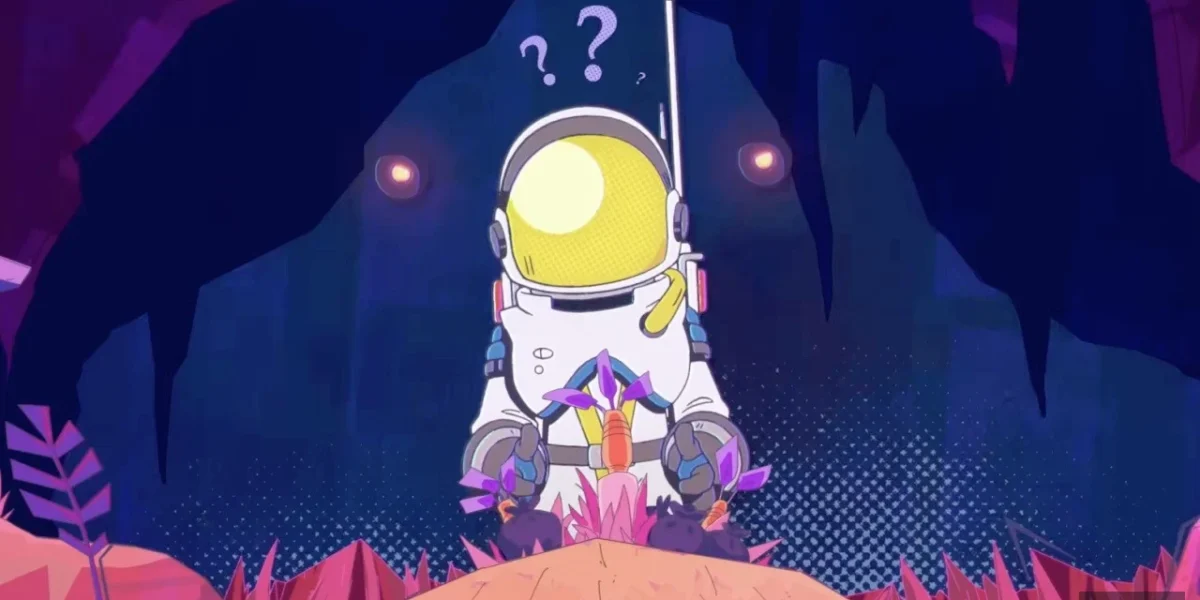
System Era Softworks’ original Astroneer celebrated its tenth anniversary with a reminder of why the title remains a standout in the survival genre: a whimsical, cartoony sandbox that invites players to traverse vibrant worlds, uncover hidden secrets, and harvest resources while reshaping the very environment around them. The upcoming Starseeker: Astroneer Expeditions for Switch 2, however, signals a bold shift, steering the franchise away from open‑ended survival toward a cooperative extraction‑focused experience.
From the outset, it’s important to temper expectations. Starseeker is currently in early access, and during my testing I encountered several bugs and progress‑blocking glitches that forced me to restart and lose valuable progress. Fortunately, the developers have been releasing patches regularly, and the built‑in fanbase suggests the community will grow rapidly. This bodes well for a more polished, stable release in the near future.
Designed as a live‑service title, Starseeker thrives on multiplayer interaction. While solo play is possible, the mechanics are clearly engineered for cooperative play, underscoring its role as a spin‑off rather than a full sequel to the original series.
The introductory tutorial still captures the core rhythm of its predecessor. You’ll find yourself on a brightly coloured planetoid, wielding a versatile multi‑tool to reshape terrain, locate resource nodes, and haul materials. After depositing your haul, you can craft new tools and technologies—essentially the same loop that made Astroneer beloved, but with a fresh cooperative twist.
Upon stepping into the central station, the game shifts into a vibrant hub where NPCs offer quests and real players line up to launch the next planetary expedition. From the starship ESS Starseeker, you forge and upgrade gear, chat with fellow explorers, and assemble a crew. Once everything is ready, you board the dropships, descend onto a world, complete research objectives, harvest resources, and return to base to craft even more equipment.
A built‑in O₂ meter acts as a countdown for each excursion; when the 30‑minute window expires, you must pack up and head back to base. This time‑boxed structure marks a clear departure from the relaxed, persistent gameplay that fans of the earlier title cherished.
The expedition cycle delivers a compelling loop: the urge to finish missions and scavenge for upgrades keeps players circling back to the dropships. While the field operations offer a respectable range of proactive challenges, the real thrill lies in traversing the meticulously designed biomes.
Where once Astroneer relied on procedurally generated worlds, the new iteration introduces handcrafted environments brimming with intentional quirks tailored for social play. Towering ranges, vivid forests, and scattered lore fragments provide a fresh palette of settings, and the satisfaction of reshaping these landscapes with your terrain‑altering tools is undeniable.
Starseeker distinguishes itself from Astroneer by weaving pervasive peril throughout its landscapes. Beyond environmental hazards, players confront a diverse array of alien fauna, forcing them to fight or flee. Leveraging tools and terrain manipulation against foes of varying scales, these skirmishes ultimately determine whether solo play remains viable.
With the server lightly populated during my tenure, I often embarked on solo ventures. During a solitary resin‑harvesting trip, I inadvertently awakened a massive creature that decimated me in a handful of claw strikes before I could mount a defense. This is precisely where companions can step in to save the day.
On the Switch 2, the title delivers crisp visuals and fluid performance. Its playful, cartoonish style and bright palette shine whether docked or handheld, and the online link remains steady. However, the central hub can lag when players converge, once dipping to a low frame rate even with a sparse crowd.
The hub doubles as a marketplace for cosmetic upgrades, obtainable with currency earned through mission completion. Yet, the game incorporates microtransactions—a departure from the developer’s earlier promise of a purely free‑to‑play model. Still, a wealth of attractive items can be acquired solely through gameplay.
Starseeker reimagines the beloved sandbox of Astroneer, tailoring its mechanics for a tightly focused cooperative adventure. Instead of sprawling, persistent worlds, the title delivers compact, mission‑oriented expeditions, enriched with new hostile wildlife that injects fresh tension and excitement into every playthrough. Whether this shift will capture the same lasting charm as its predecessor remains an open question.
System Era Softworks has pledged a live‑service model that caters to casual gamers, aiming to eliminate the usual fear‑of‑missing‑out that plagues many online titles. The promise of a relaxed, accessible experience is compelling enough to have me assemble a regular expedition crew.
Starseeker: Astroneer Expeditions has entered Early Access on the Switch 2 eShop, retailing at $29.99 (≈ £26.99). Have you tried it yet? Share your thoughts below.
❓ Frequently Asked Questions (FAQ)
What is the main difference between the original Astroneer and the upcoming Starseeker: Astroneer Expeditions for Switch 2?
While the original Astroneer is a whimsical, cartoony sandbox focused on open‑ended survival and exploration, Starseeker shifts the franchise toward a cooperative extraction‑focused experience, emphasizing multiplayer teamwork over solo survival.
Is Starseeker: Astroneer Expeditions currently stable for players to enjoy?
No, Starseeker is still in early access and has reported bugs and progress‑blocking glitches that can force players to restart and lose progress. However, the developers are actively releasing patches to address these issues.
How does the live‑service model affect the development and community experience of Starseeker?
The live‑service model means the game is continuously updated with patches and new content, encouraging community feedback and fostering a cooperative multiplayer environment. This approach aims to refine the game over time and potentially reshape expectations for cooperative sandbox titles on handheld platforms.
News Source: Nintendo Life



Comments
Be the first to comment.