

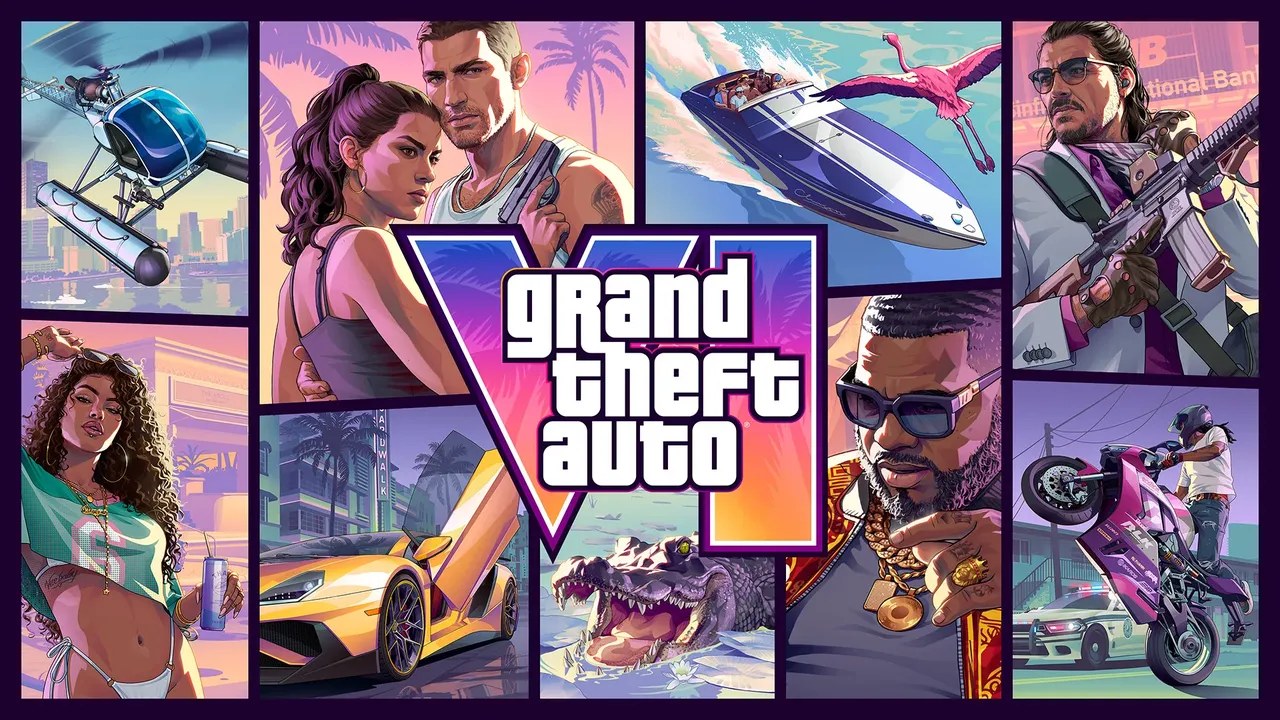
The core of Pearce’s argument centers on a scheduling conflict. The deadline for games to become eligible for TGA nominations has historically fallen around the same window in which GTA 6 launches this year. While some observers have pushed back, noting that the cutoff last year landed on November 21—just two days before GTA 6’s release—Pearce’s underlying concern remains a valid one that extends beyond mere calendar dates.
The Practical Problem of Finishing a Massive Open World
The most pointed question raised by Pearce’s analysis is a practical one: would anyone be able to feasibly finish GTA 6 before casting their votes on the nominees? With a sprawling open-world sandbox of the scope Rockstar is known for, completing the experience is no small feat, and the multiplayer component adds yet another layer of time commitment. If voters cannot reasonably finish the game, the integrity of the nomination process itself comes into question.
This raises genuine ethical concerns. Would the jury be willing to vote on a title it never fully experienced? Such a scenario could undermine confidence in the awards’ credibility, even if the intentions behind the votes were sound. The tension between a game’s cultural significance and the realistic ability to evaluate it is at the heart of the controversy.
There are real questions about whether voters can finish such a massive title in time, and whether the jury should vote on a game it has not fully experienced. That raises important concerns about the voting process.
Alanah Pearce, during live stream discussion on GTA 6 and The Game Awards
Possible Paths to Boost Rockstar’s Chances
Despite these hurdles, there are several ways Rockstar’s odds could improve. The most straightforward would be for Geoff Keighley, the creator and host of The Game Awards, to push the voting deadlines back. Given Keighley’s reputation for putting on spectacular productions, and the fact that a GTA 6 sweep would draw enormous attention to the event, such a move is certainly not out of the question.
Another possibility is that Rockstar Games could provide jury members with a significant head start, allowing them to play the game well before the cutoff date. As of right now, it remains unclear what Rockstar’s plans are for reviewers, but this strategy would undeniably make securing a nomination far easier. Of course, all of these scenarios involve a great many ifs, and none are guaranteed.
Looking Ahead to 2027
If GTA 6 ultimately proves ineligible or uncompetitive this year, it could still make a comeback in the 2027 awards race—and it might well have a real chance. Rockstar Games is heavily rumored to launch GTA 6’s online mode next year, a development that would undoubtedly give the game a massive second wind and extend its cultural relevance well into the next cycle.
Should that online mode prove strong enough to contend with other heavy hitters, Rockstar could position itself firmly in the 2027 conversation. Among the potential competitors already generating buzz is Naughty Dog’s Intergalactic: The Heretic Prophet, a title that could easily capture the attention of voters and fans alike. The landscape of the upcoming awards season remains wide open, and GTA 6’s long-term trajectory will depend heavily on how these various factors unfold.
For now, the debate over eligibility and timing is largely speculative, but it highlights a genuine tension within the industry: how do awards account for games that arrive so late in the cycle that even the most dedicated voters may not be able to fully experience them before casting their ballots? As the release date approaches, all eyes will be on both Rockstar and The Game Awards to see how they navigate the challenge.



Join the conversation