


O této hře
The Genre Genesis: From Modern Titans to 2004 Pioneers
Encyclopedic automotive motorsport simulation (curating over 700 historically accurate production, vintage, concept, and Le Mans prototype vehicles with authentic horsepower curves, gear ratios, suspension dampening, and tire compound physics across laser-surveyed real-world circuits), native 1080i high-definition console output, and deep “B-Spec” pit-boss race management—from Gran Turismo 7, Forza Motorsport, Assetto Corsa, Automobilista 2, and modern sim-racing—trace their undisputed, monumental pinnacle to December 28, 2004 with Polyphony Digital’s crowning jewel, Gran Turismo 4.
Directed with obsessive automotive perfectionism by Kazunori Yamauchi at Polyphony Digital in Tokyo on the PlayStation 2 with an eclectic jazz-fusion, classical, and rock score (featuring Moon Over the Castle by Masahiro Andoh, T-Square, Daiki Kasho, and classical pieces), Gran Turismo 4 (GT4) pushed the PS2 console beyond its theoretical engineering boundaries. Selling an astounding 11.76 million copies and holding an 89/100 on Metacritic, it is universally recognized as one of the greatest automotive simulation accomplishments in video game history.
Platforma Context & Gaming Environment
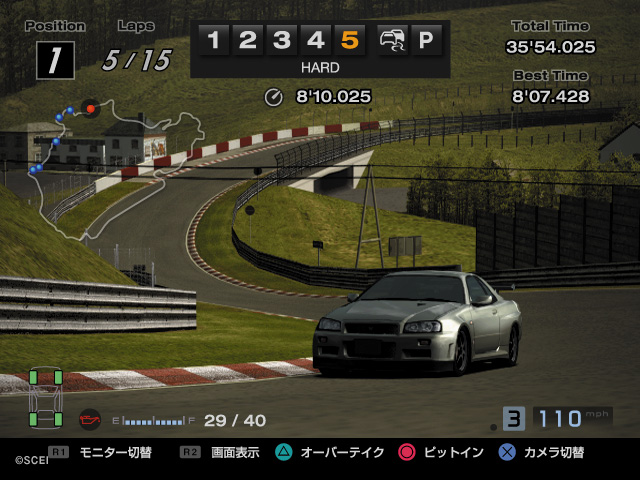
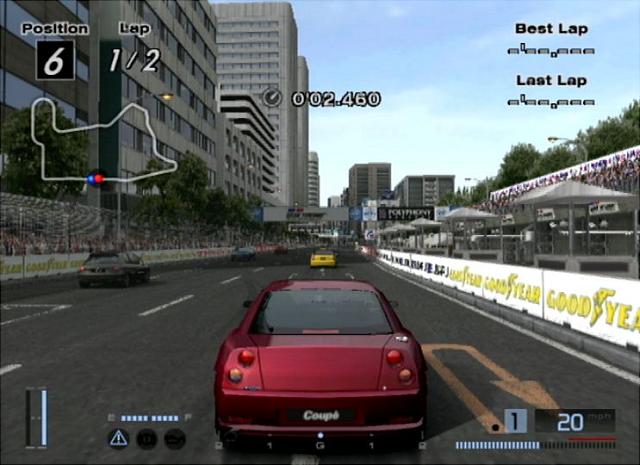
Featuring a staggering roster of 721 licensed vehicles from 80 global manufacturers (spanning historic legends like the 1886 Benz Patent Motorwagen and 1967 Ford GT40 to the 1991 Mazda 787B Le Mans winner and Pagani Zonda C12S), drivers compete across 51 world racing circuits: real-world temples like the Nürburgring Nordschleife (12.9 miles of grueling green hell), Laguna Seca, Circuit de la Sarthe (Le Mans), Suzuka, and Tsukuba; alongside iconic city circuits: Tokyo R246, New York (Times Square), Paris (Opera), Hong Kong, and the Amalfi Coast (Citta di Aria).
Popularity & Cultural Standing: Niche vs. Blockbuster
Gran Turismo 4 was an astronomical commercial and critical blockbuster that became the second-best-selling game in PlayStation 2 history. Its technical triumph of running in native 1080i resolution via component video cables on hardware released in the year 2000 stunned computer engineers and television manufacturers worldwide.
Hratelnost Mechanics & Technical Innovations
Gran Turismo 4 established standard-setting racing simulation systems:
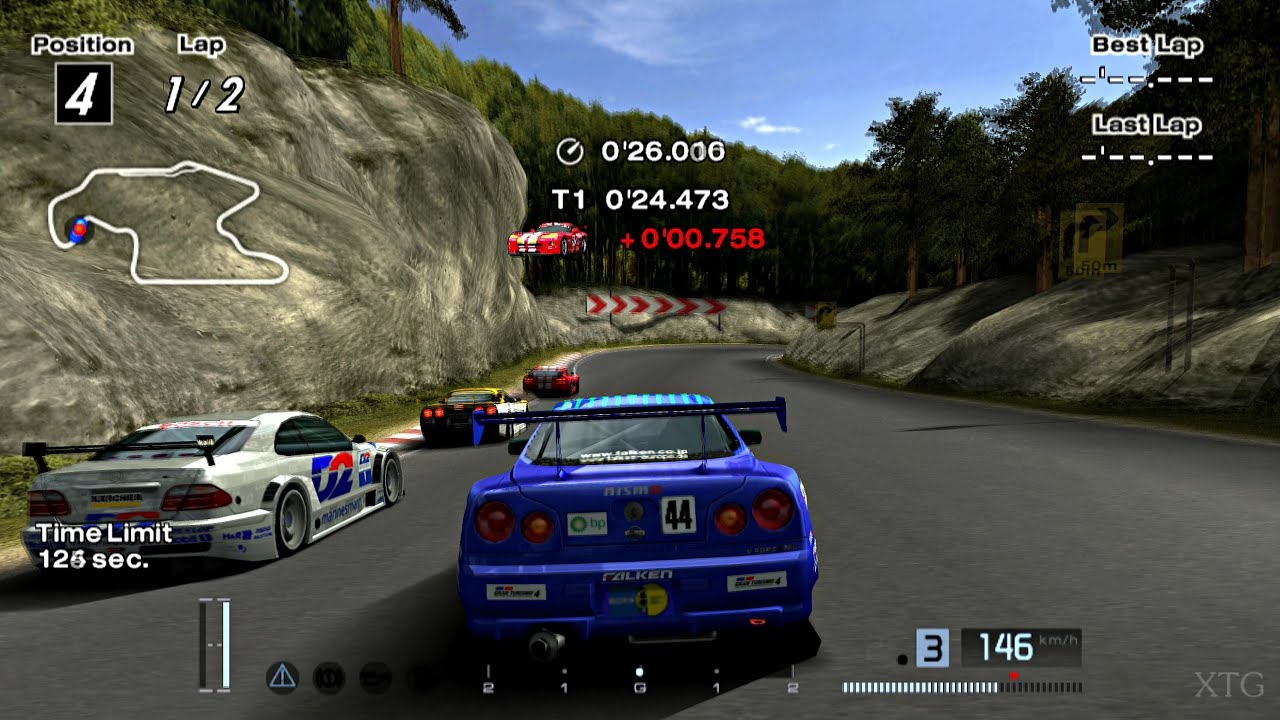
- Unprecedented 720+ Vehicle Automotive Encyclopedia: Every car modeled with individual chassis physics, drivetrain configurations (FF, FR, 4WD, MR, RR), power-to-weight ratios, oil changes, engine washes, chassis refreshes, and granular tuning parts: turbine kits, racing flywheels, brake balance controllers, and nitrous systems.
- The Legendary Laser-Surveyed Nürburgring Nordschleife: First console game to include the complete, mathematically precise 12.9-mile Nordschleife with all 73 elevation-shifting corners, bumps, and cambers.
- Native 1080i High-Definition Presentation: Outputting crisp 1080i HD video and 16:9 widescreen display at 60 FPS on standard PlayStation 2 hardware.
- The Revolutionary “B-Spec” Racing Director Mode: Stepping out of the driver’s seat to act as Team Principal and Pit Boss; issuing real-time radio commands to AI drivers: Pace (1 to 5), Overtake, and Pit In while fast-forwarding races at 3x speed (essential for conquering real-time 24-Hour Le Mans and Nürburgring endurance races).
- Photo Mode & USB Print Output: Placing cars in photorealistic global scenic locations (Kyoto, San Gimignano, Las Vegas, Grand Canyon), adjusting camera aperture, shutter speed, focus, and exporting high-res JPEG photos directly to USB flash drives or Epson USB color printers.
Historical Legacy & Archival Preservation
Gran Turismo 4 is permanently enshrined in the World Video Game Hall of Fame as the absolute gold standard of automotive simulation and Polyphony Digital’s crowning technical achievement.
Galerie




Připojte se k diskusi