Introduction: The Next Chapter for Gran Turismo 4
Gran Turismo 4, released in 2004 for the PlayStation 2, represented a significant leap forward for Polyphony Digital and the racing simulation genre. Following the success of its predecessors, GT4 aimed to deliver an unparalleled level of realism, car variety, and track selection, pushing the boundaries of what was possible on the aging but powerful PS2 hardware. The game's development was fraught with challenges, leading to a lengthy delay, but the final product largely delivered on its ambitious goals, solidifying Gran Turismo's position as a benchmark for racing games.
Visual Direction and Graphics Engineering
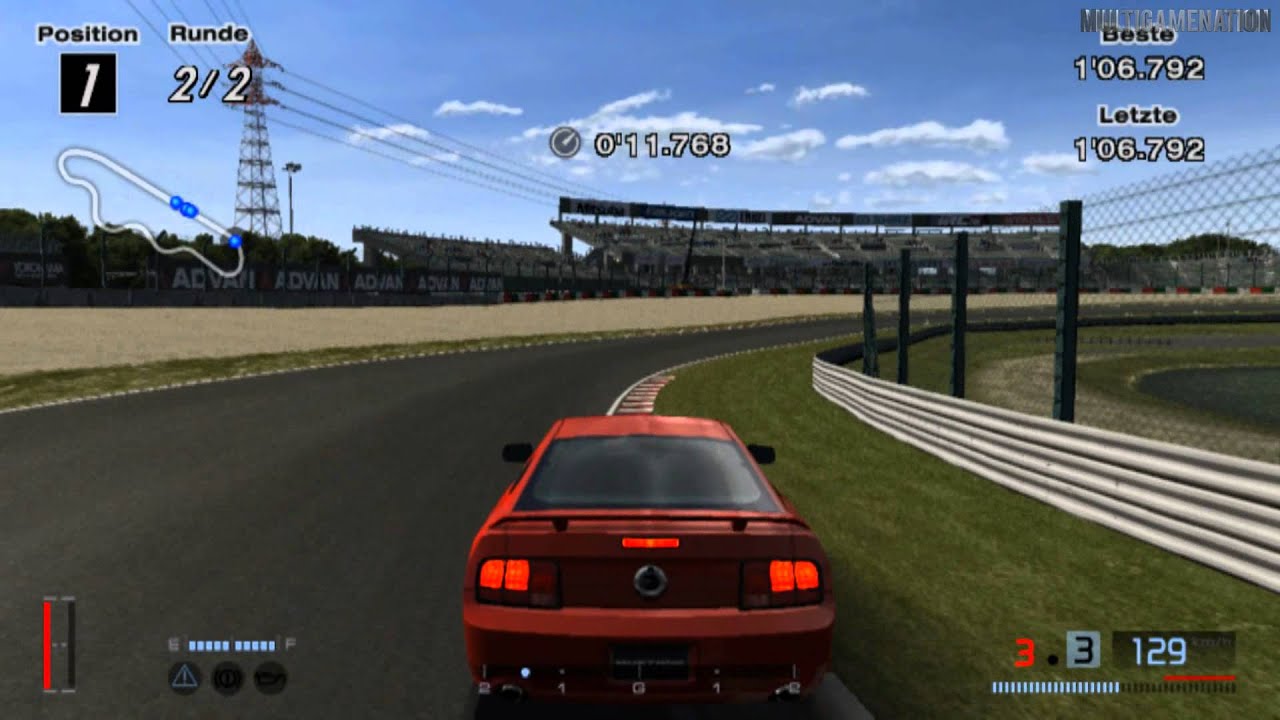
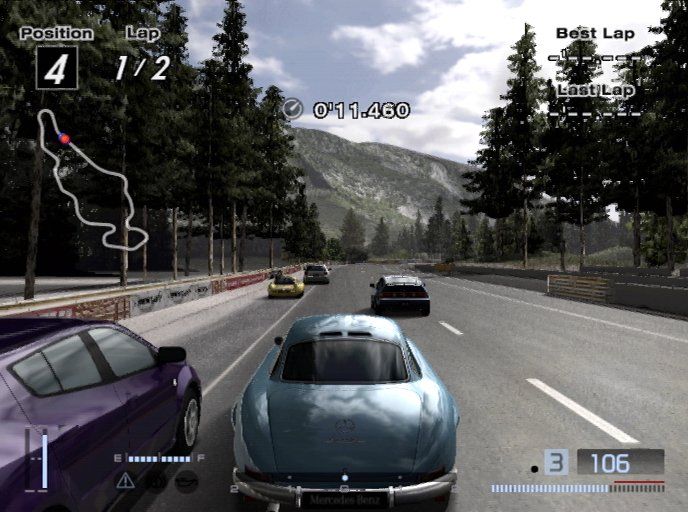
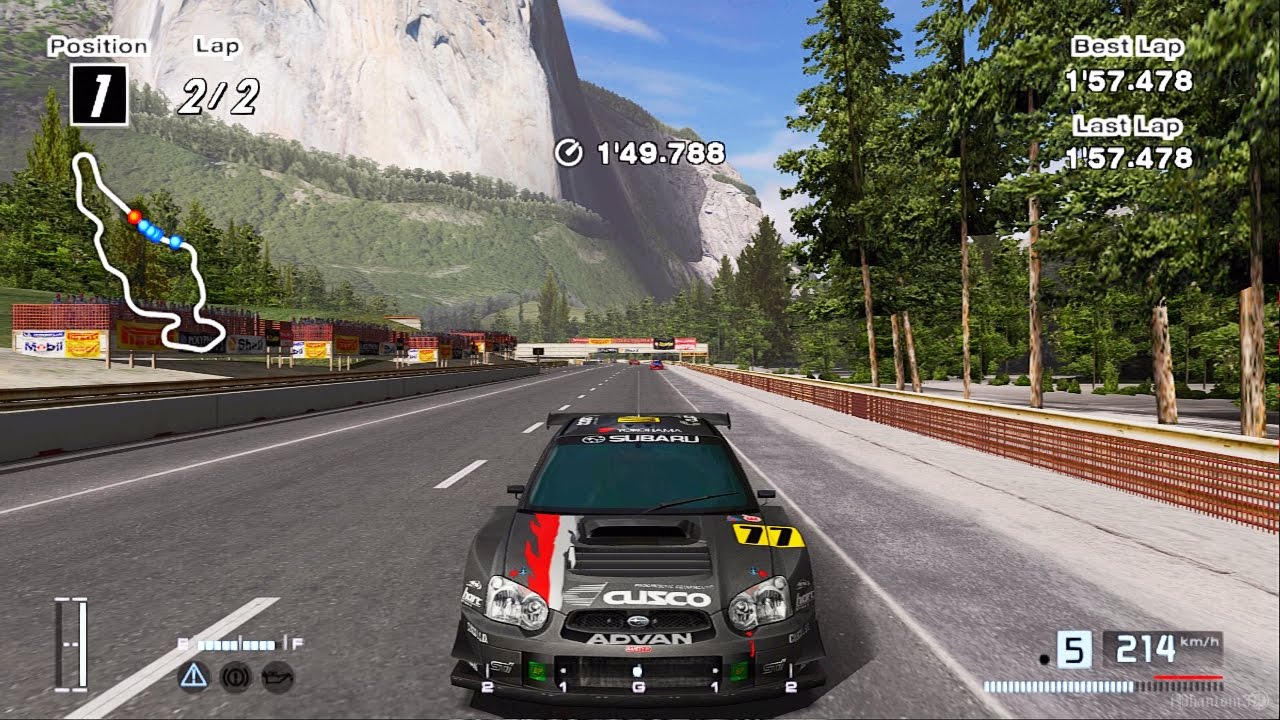
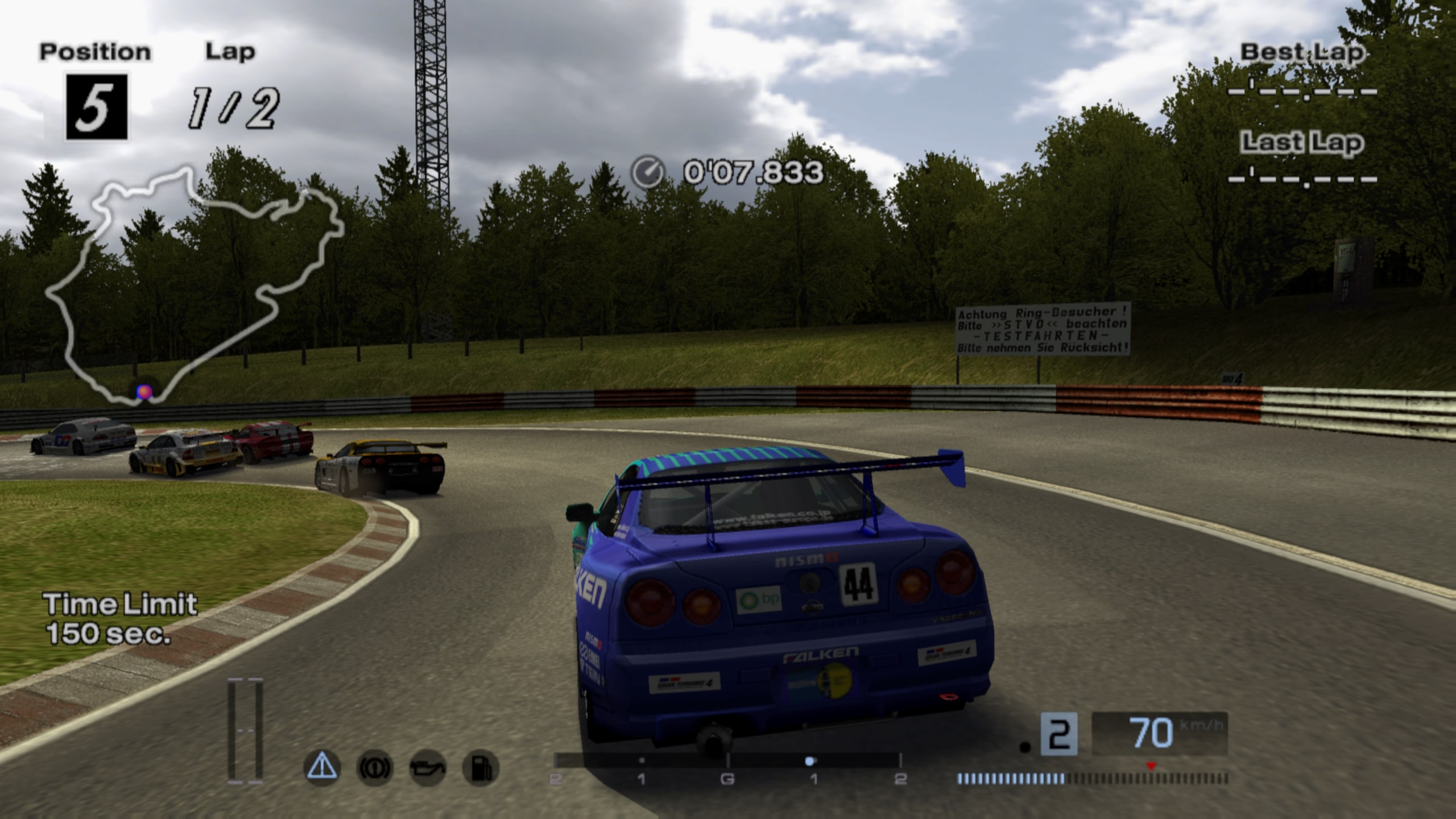
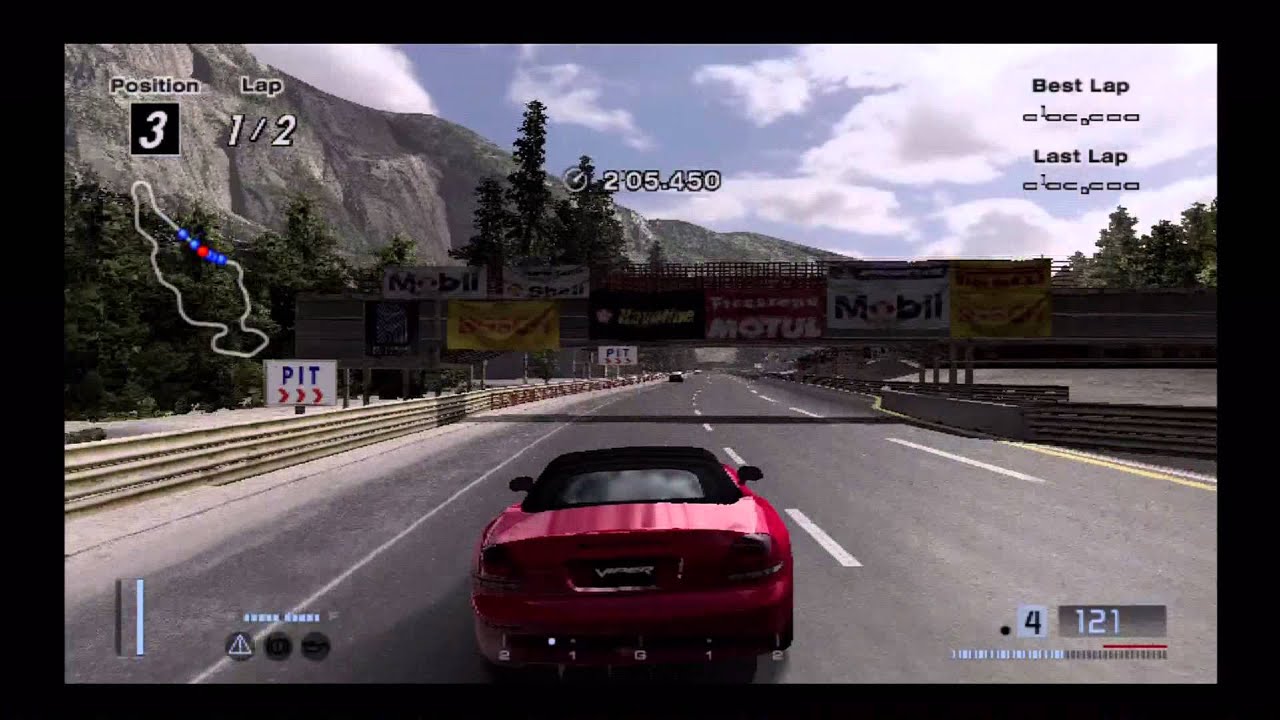
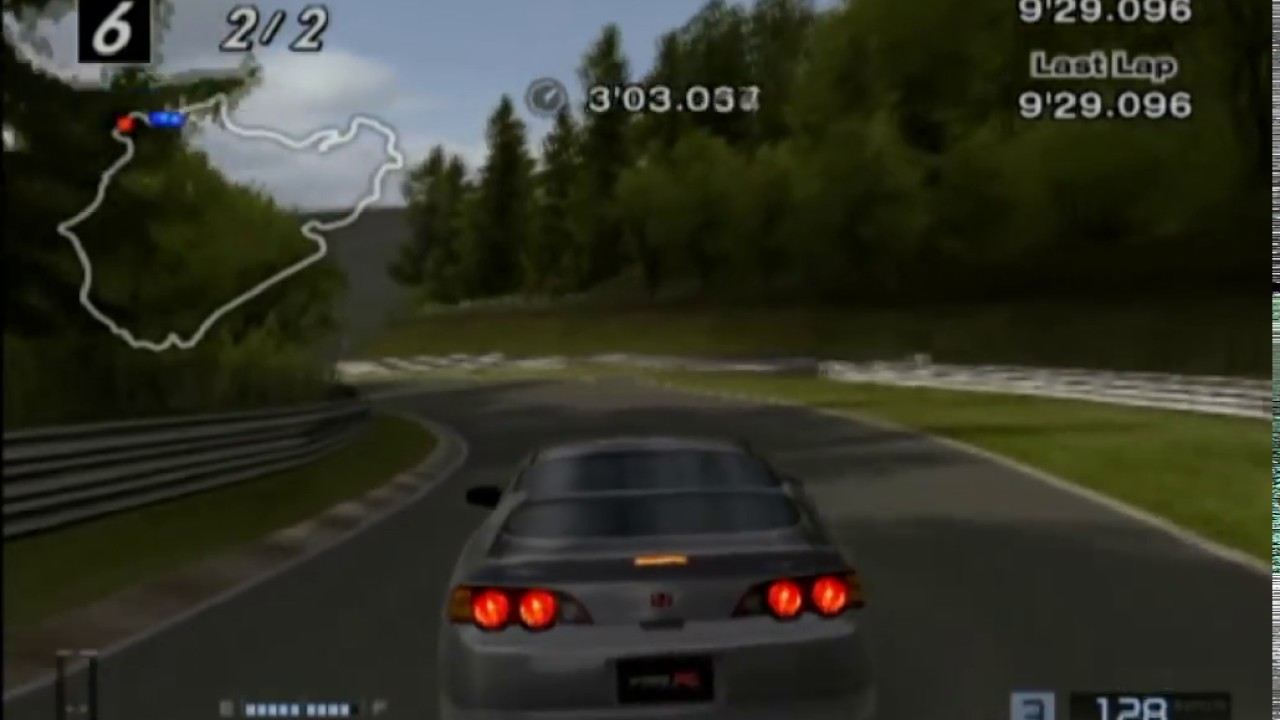
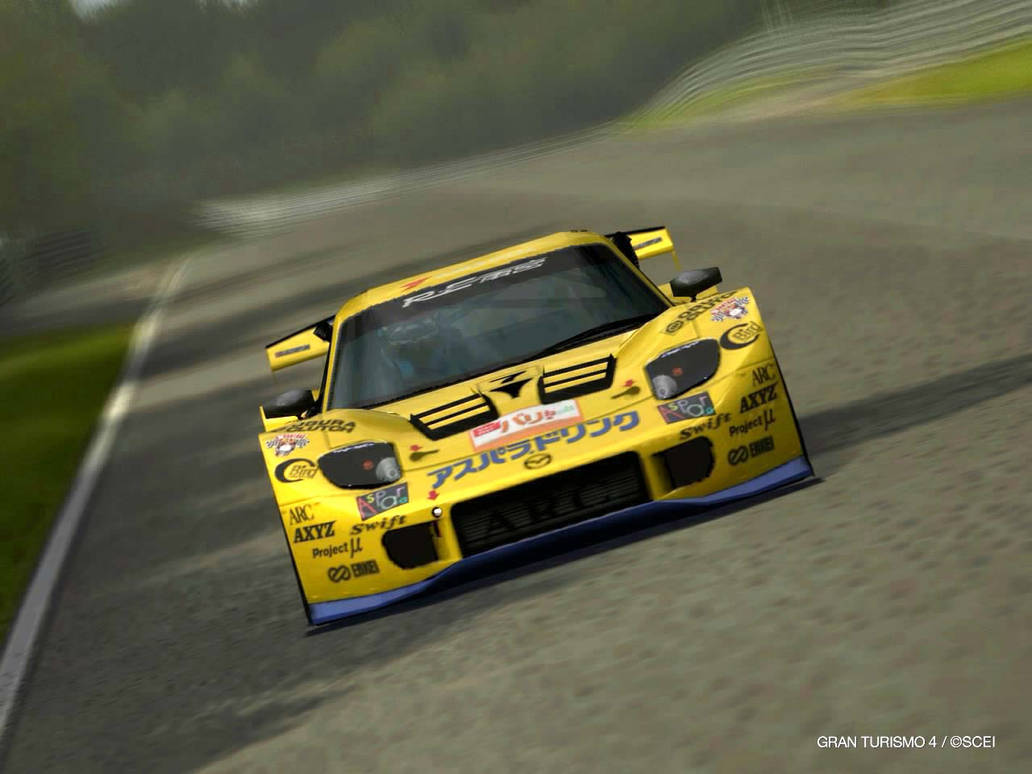
Polyphony Digital’s proprietary “Next-Gen Engine” (a somewhat misleading title considering the console it ran on) was instrumental in achieving GT4's visual fidelity. While limited by the PS2's technical constraints, the engine cleverly employed techniques like dynamic lighting, detailed car models with realistic reflections, and a wide range of environmental effects to create an immersive experience. The game featured over 700 meticulously modeled cars, each requiring significant artistic and engineering effort. This dedication to detail extended to the tracks, which were designed to accurately represent real-world locations while also offering visually stunning environments. However, limitations in polygon counts and texture resolution are noticeable upon closer inspection, a common trade-off for achieving performance on the PS2.
Gameplay Mechanics and Core Systems
Gran Turismo 4's gameplay mechanics focused heavily on realism and simulation. The physics engine accurately modeled car handling, tire degradation, and environmental factors like weather conditions. Players could fine-tune various aspects of their vehicles, including suspension, gear ratios, and aerodynamics, to optimize performance for different tracks and driving styles. The game offered a comprehensive career mode where players progressed through licenses, competed in races, and earned credits to purchase new cars and upgrade existing ones. This progression system provided a compelling sense of accomplishment and encouraged experimentation with different vehicle types.
Level Design and World Atmosphere
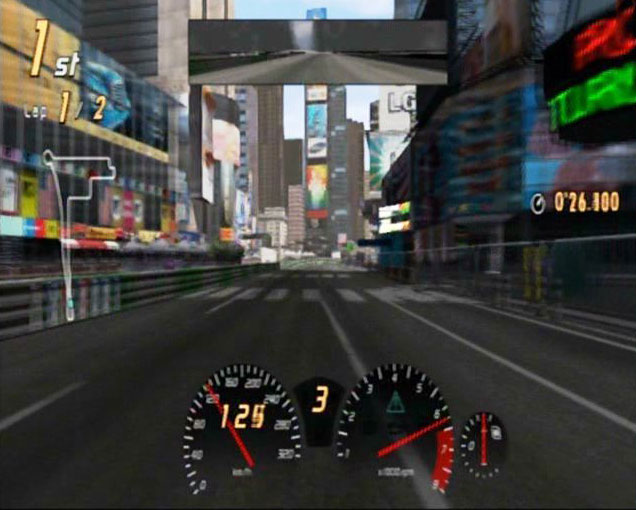
The game boasted 51 tracks, ranging from iconic circuits like Tokyo R2 and the Nürburgring to fictional locations inspired by real-world environments. The level design was carefully crafted to provide a variety of challenges, from tight city streets to expansive open roads. Each track featured unique characteristics that influenced driving strategies and required players to adapt their techniques accordingly. The inclusion of dynamic weather effects further enhanced the sense of realism and added another layer of complexity to the gameplay.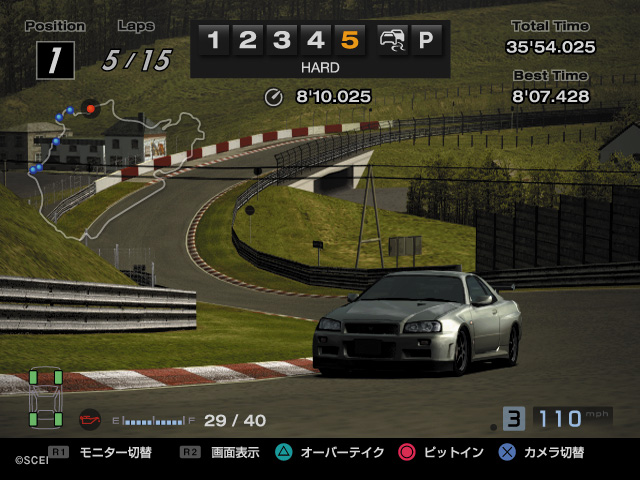
Narrative Depth and Character Profiles
While not a narrative-driven game in the traditional sense, Gran Turismo 4 subtly incorporated elements of storytelling through its career mode and character interactions. Players progressed through a series of licenses, each representing a different level of driving skill. Along the way, they encountered various characters who provided guidance, challenges, and insights into the world of motorsport. These interactions added depth to the gameplay experience and helped to create a sense of connection with the virtual environment.-1457364717.jpg)
Sound Design and Acoustic Realism
The sound design in Gran Turismo 4 played a crucial role in creating an immersive racing experience. The game featured authentic engine sounds for each car, meticulously recorded to capture the nuances of different powertrains. Environmental sounds, such as wind noise and crowd cheering, further enhanced the sense of realism. The audio was carefully mixed to create a dynamic soundscape that responded to the player's actions and the surrounding environment.
Release Expectations and Community Hype
Gran Turismo 4 generated significant hype leading up to its release. The game was highly anticipated by fans of the Gran Turismo series, who were eager to experience the next evolution of Polyphony Digital's acclaimed racing simulation. The lengthy development cycle only fueled the anticipation, as rumors and leaks circulated online. When the game finally arrived, it largely lived up to expectations, delivering a compelling and immersive racing experience that captivated players worldwide.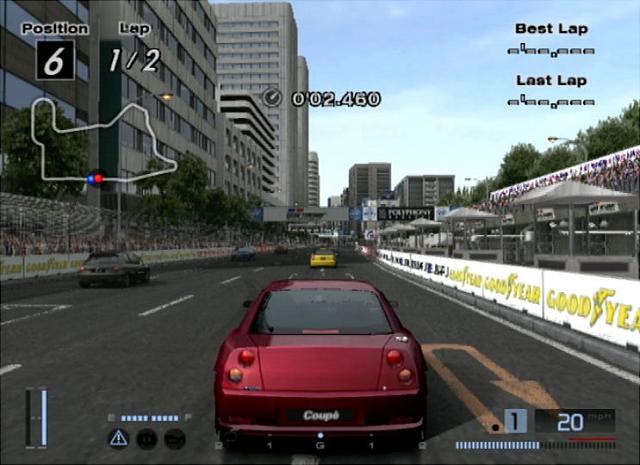
Conclusion: The Future of Gran Turismo 4
Gran Turismo 4 remains a landmark title in the history of racing games. Its commitment to realism, its vast car selection, and its engaging gameplay mechanics set a new standard for the genre. While limited by the technical constraints of the PlayStation 2, the game's visual fidelity and overall presentation were impressive for its time. It served as a crucial stepping stone in the evolution of the Gran Turismo series, paving the way for future installments that would continue to push the boundaries of racing simulation. The legacy of GT4 endures, inspiring new generations of gamers and developers alike.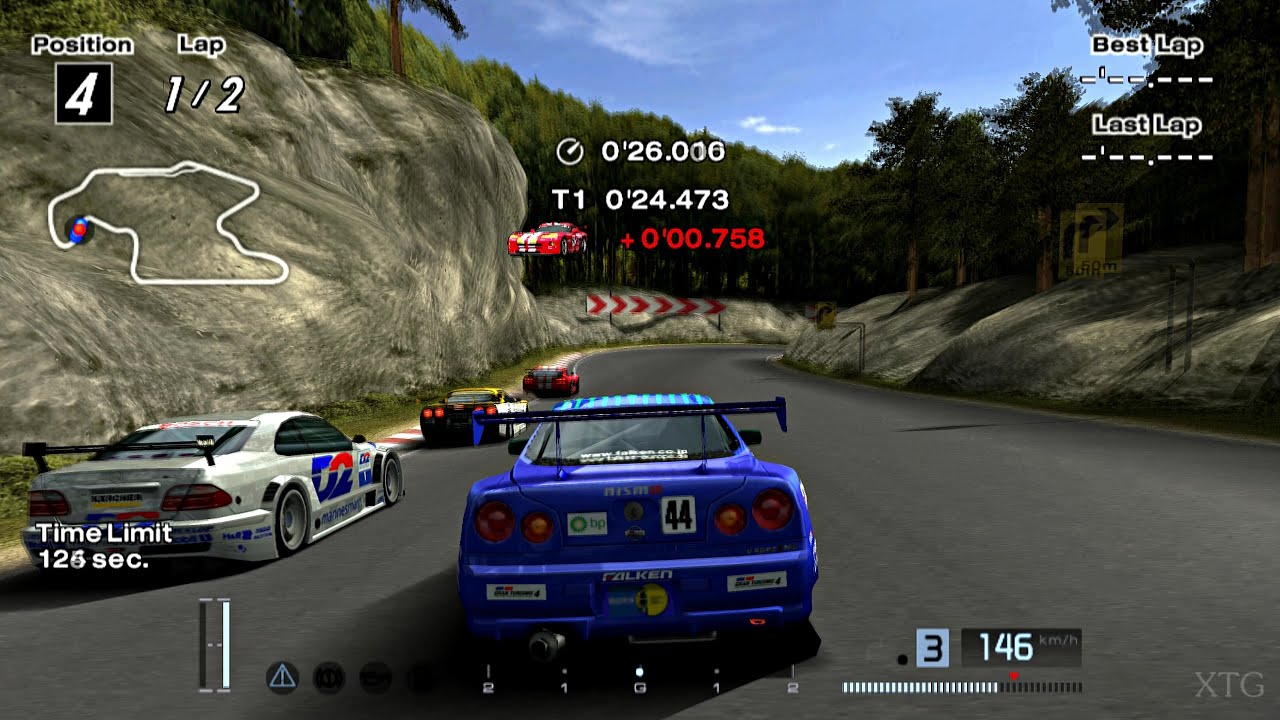
Source: Wikipedia
Google Preferred Source
Add us to your favorite news sources on Google
Get instant updates and breaking news directly in Google News