

From the fog-laden streets of 1930s Los Angeles to the quiet manor houses of interwar England, detective fiction has long captivated readers with its promise of order out of chaos. Now, a fresh look at the genre highlights five acclaimed detective novels that have earned their reputation as unputdownable page-turners, spanning nine decades and multiple subgenres. The selections range from Anthony Horowitz’s 2016 metanarrative Magpie Murders to Agatha Christie’s landmark 1926 whodunit The Murder of Roger Ackroyd, alongside Dashiell Hammett’s The Thin Man, Thomas Harris’s Red Dragon, and Raymond Chandler’s The Big Sleep. Together, they illustrate why the detective story remains such a durable and satisfying form of fiction.
Detective narratives tap into a fundamental human appetite for solvable puzzles, inviting readers to slip into the shoes of sharp-witted sleuths and follow a trail of clues toward a satisfying resolution. As this roundup notes, the best entries in the genre lean on grounded settings to build tension, embrace a measured amount of chaos, and ultimately deliver a neat resolution. While detective stories can take countless forms, these five titles stand out as engrossing reads that hold their grip from start to finish.
A Modern Homage to the Golden Age
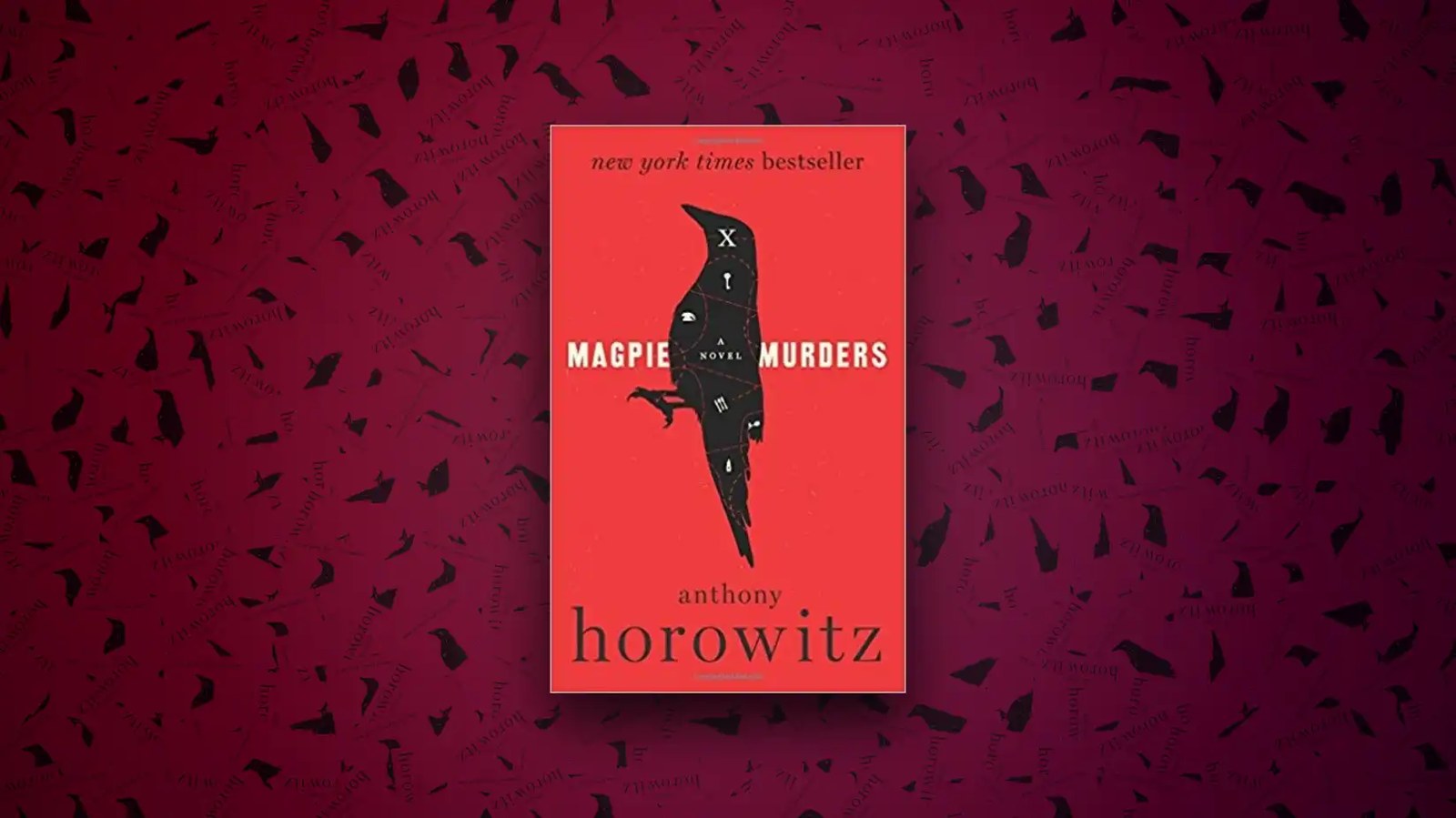
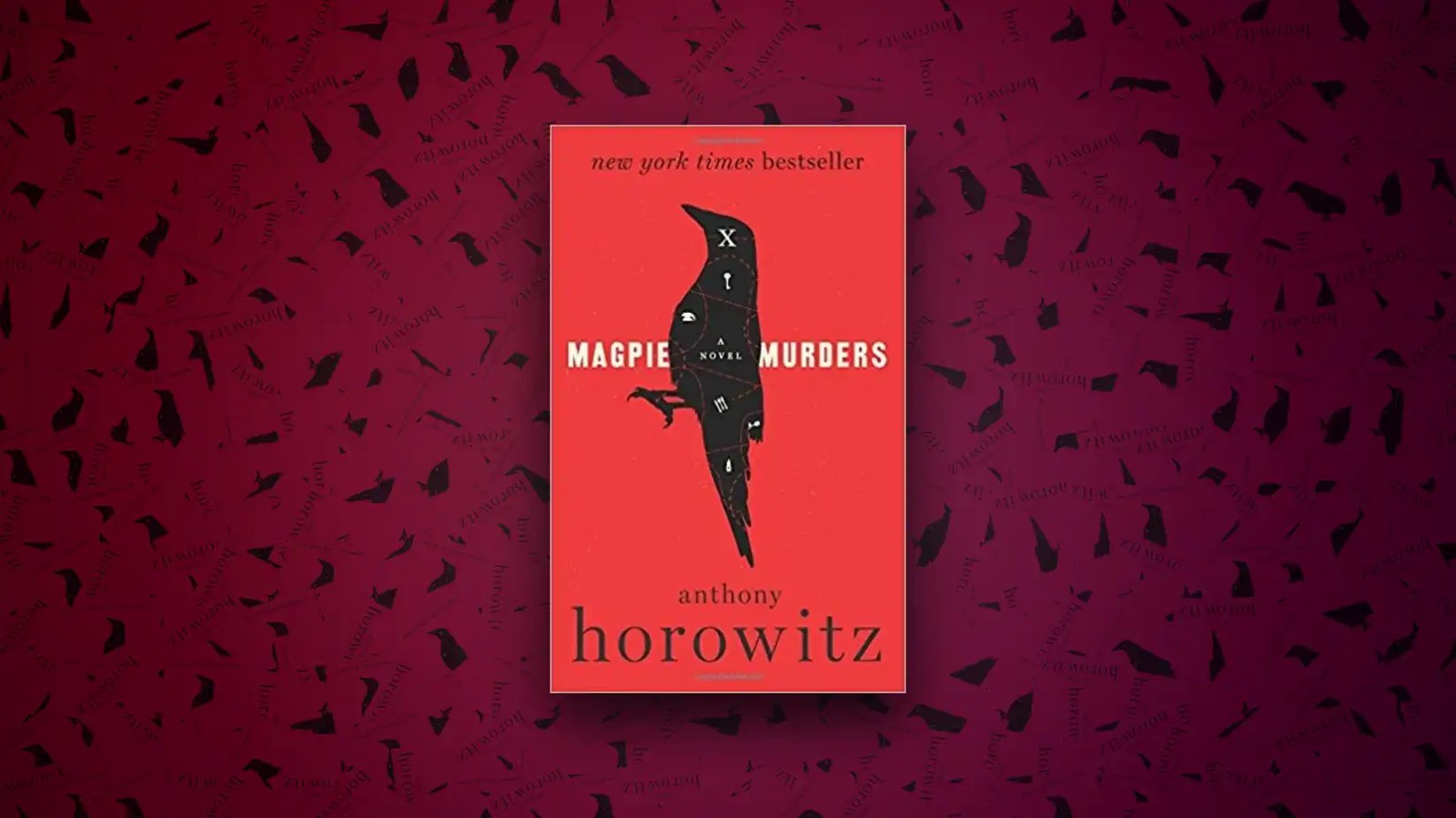
Anthony Horowitz’s Magpie Murders, published in 2016, demonstrates how deftly a “story-within-a-story” structure can be executed. The novel weaves two parallel plots: the first follows fictional author Alan Conway, whose mystery novel places famed detective Atticus Pünd and his assistant James Fraser at the scene of a 1955 murder at Pye Hall, while fragments of Pünd’s private life emerge toward the end. The second storyline centers on Susan Ryeland, an editor who discovers that the final chapter of Conway’s manuscript is missing, leaving a whodunit without a solution and birthing a fresh puzzle to crack.
The novel’s page-turning power comes from its ability to cushion an intriguing period-piece mystery within a modern narrative, letting readers become absorbed in two interlocking cases. These metanarratives are inevitably connected, amplifying the pleasure of hunting for clues and drawing connections. The result reads as a brilliant homage to the classic Golden Age whodunits of Agatha Christie and Dorothy Sayers, evoking the nostalgia of a complicated suburban mystery.
The Twist That Redefined a Genre
Agatha Christie’s The Murder of Roger Ackroyd, released in 1926, opens with narrator Dr. James Sheppard recounting the suicide of a wealthy widow a year after her abusive husband’s death. Sheppard is soon summoned by a widower named Roger Ackroyd, and the grisly murder that follows prompts the arrival of retired detective Hercule Poirot, who must rely on his “little gray cells” to unravel the case.
The title tells us outright that the crime is going to happen, but it’s impossible to predict why or how, as every character connected to Ackroyd seems to harbor hidden motivations.
About The Murder of Roger Ackroyd
The book stands as the epitome of Christie’s taut writing, using genre expectations to execute an unexpected twist. Her skilful misdirection keeps readers occupied with connected clues that form only part of a larger picture, while Poirot’s presence proves integral to the process, as much of the sleuthing is inadvertently deferred to a man capable of spotting discrepancies hidden in plain sight.
A Charming Duo for the Prohibition Era
Set during the final days of Prohibition in the United States, Dashiell Hammett’s The Thin Man (1934) follows former private eye Nick Charles and his socialite wife Nora as they stumble into a baffling mystery. Clyde, the daughter of Nick’s former client, has been unable to reach her father for some time, and the plot thickens when Clyde’s secretary and fling, Julia, is found dead with a local gangster suspected. Nick and Nora dive into the madness over Christmas of 1932, producing a booze-filled, glamorous adventure laced with genuine danger.
Hammett presents Nick and Nora as a formidable duo whose effortlessly charming dynamic brings every scene to life. The mystery moves at a snappy pace, a marked departure from his celebrated hard-boiled thriller The Maltese Falcon. Though the central pair is easy to like through their quick wit and relatable nature, the world around them is complex and gritty, offering a more cynical backdrop than expected. As the Christmas season coincides with the celebratory haze of post-Prohibition America, high-society glamour is juxtaposed against middle-class economic uncertainty, enlivening the mystery at the novel’s core, which leans more toward a polished comedy of manners than a cut-and-dried noir.
The Darker Side of the Investigation
Thomas Harris’s Red Dragon (1981) may not be a traditional detective novel, but it delivers a particularly high-stakes detective story. Former FBI profiler Will Graham agrees to help authorities apprehend a notorious serial killer known as The Dragon, reluctantly seeking aid from ex-psychiatrist and cannibalistic killer Hannibal Lecter, whom he had previously captured. The two share a strained dynamic, as Graham still required psychological help after his traumatizing encounter with Lecter, yet the imminent threat of The Dragon pulls him onto another dangerous mission that can only be completed through Lecter’s cryptic clues.
The cat-and-mouse tension makes Red Dragon a fast-paced page-turner, with Harris forcing readers to consider the killer’s perspective and offering a rare glimpse into his twisted psyche. Graham’s viewpoint is far from rosy, as the ex-FBI profiler remains haunted by his extraordinary ability to empathize with the deadliest of killers. Lecter’s presence is used sparingly in the book, making every interaction deeply unpredictable and leaving Graham constantly on edge.
The Hard-Boiled Masterpiece
Raymond Chandler’s The Big Sleep (1939) is a classic hard-boiled detective mystery that has been adapted to film twice, and for good reason. Alcoholic private eye Philip Marlowe is contacted by the wealthy General Sternwood over a blackmail attempt, with a bookseller named Arthur Geiger seemingly the culprit. Sternwood reveals further complications involving his daughters Carmen and Vivian, and Marlowe’s investigation opens up the seedy underbelly of Los Angeles into a twisted mystery brimming with secrets and double-crossing.
Chandler’s talent for writing labyrinthine plots turns The Big Sleep into a messy, layered web of unsavory motivations. Most characters are not what they seem, and loyalty appears to be a mythical concept in the bustling city, where everyone seems out to profit at another’s expense. Marlowe finds himself in immediate danger, yet his cynical worldview is tempered by a brilliantly quick-witted nature, allowing him to understand human hypocrisy better than most and drawing readers into the corruption-ridden lives around him.
Looking Ahead
These five titles, spanning from 1926 to 2016, offer something for every reader drawn to the detective genre, whether they favor the polished puzzles of the Golden Age, the slick charm of Prohibition-era noir, or the psychological darkness of modern thrillers. For those looking to build or refresh their shelves, each of these novels has proven its staying power across generations, cementing its place as a definitive page-turner that rewards attention from the first clue to the final revelation.



Join the conversation