Final Fantasy Resonance: A Nostalgia Trip with Killer Combat, But Beware the Fan Service Overload
The Final Fantasy series has always prided itself on its standalone stories, allowing players to jump in at any point without prior knowledge. However, Final Fantasy Resonance breaks this tradition, weaving past characters and locations directly into its combat system and narrative. This isn’t a game for newcomers; your enjoyment will likely depend on how familiar you are with the series as a whole.
A Blast from the Past
After an hour-long demo of Resonance, I felt like I had just consumed a sugar rush: exhilarating but potentially unsustainable. The flashy turn-based combat is solid and satisfying, and Resonance pushes Square Enix’s signature HD-2D art style to bolder heights than ever before. However, I worry that the story might be overshadowed by all those cameos.
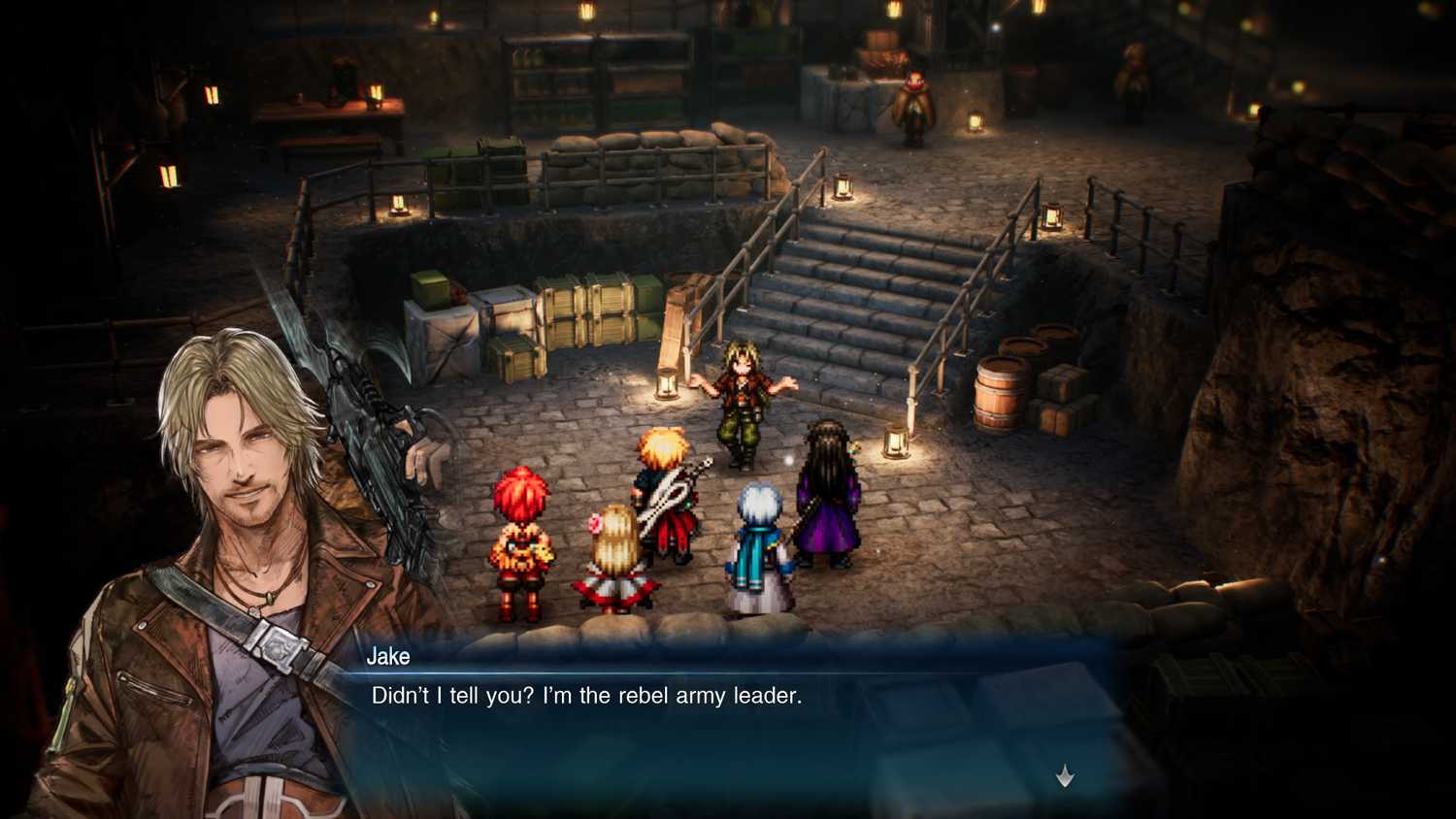
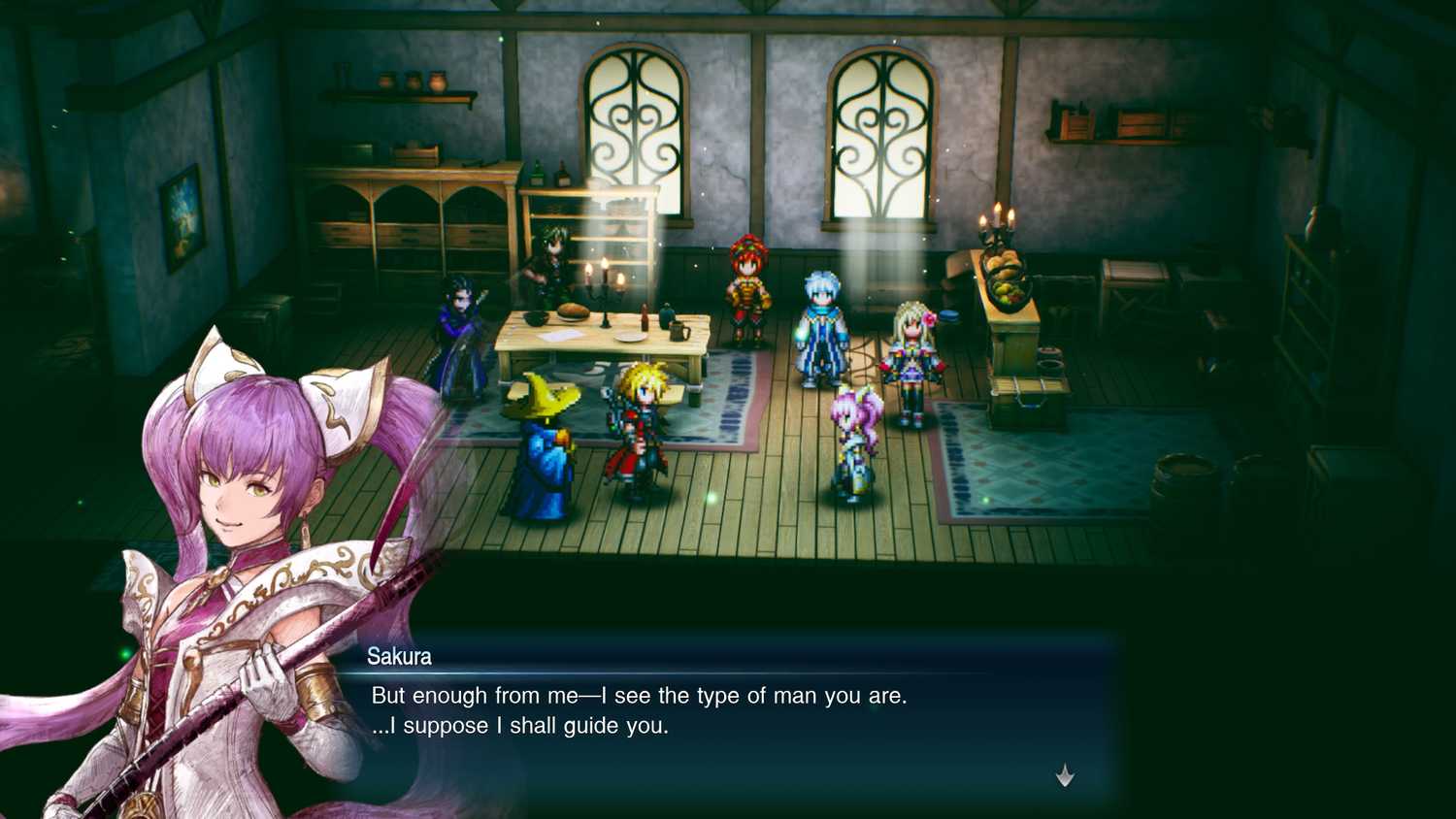
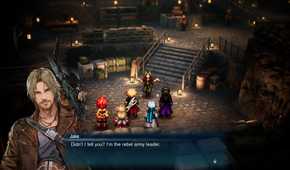
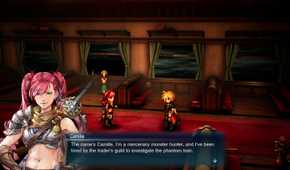
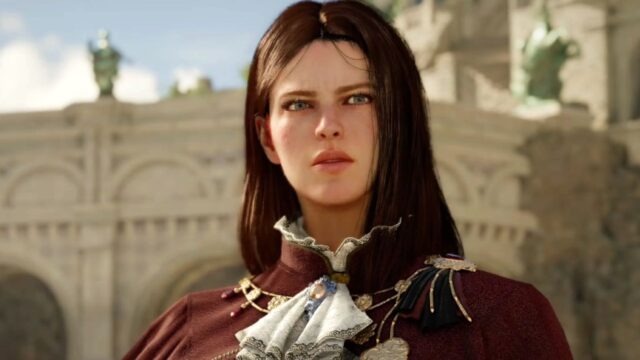
My demo began in the game’s second chapter. Our protagonist, Rain, commands Grandshelt’s airship fleet, accompanied by his childhood friend Laswell, who draws inspiration from FF7’s Barret Wallace with a sword-arm replacement. Along with the white mage Fina and the inventor Lid (with a mechanical chocobo!), they embark on a journey to protect the world’s crystals from a shadowy threat. It’s classic Final Fantasy fare, and I’m not entirely opposed to it.
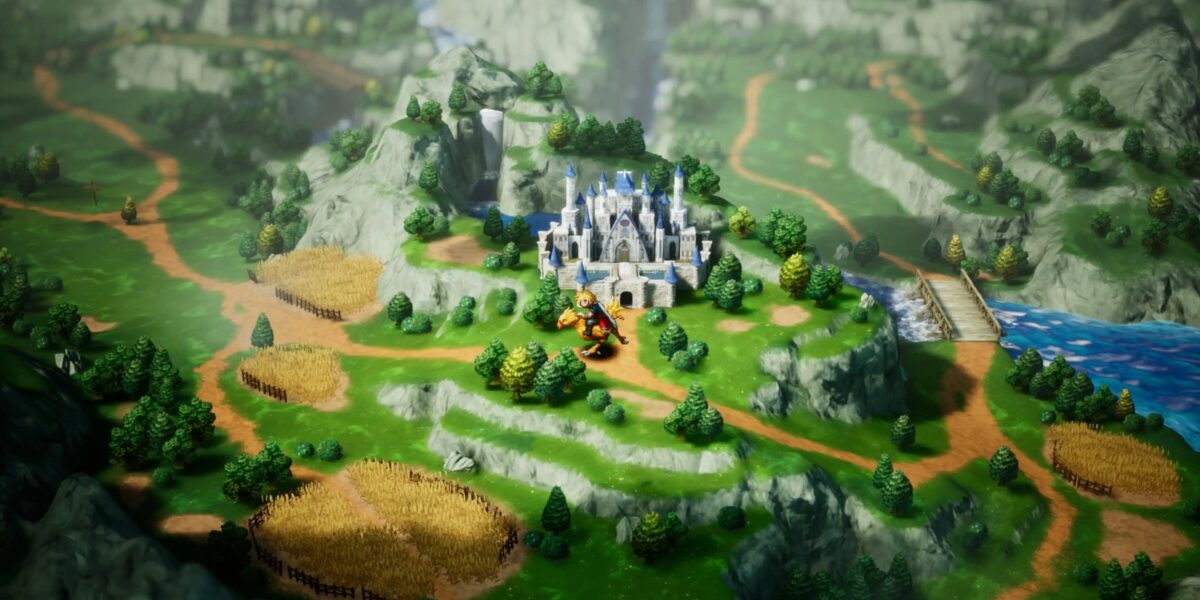
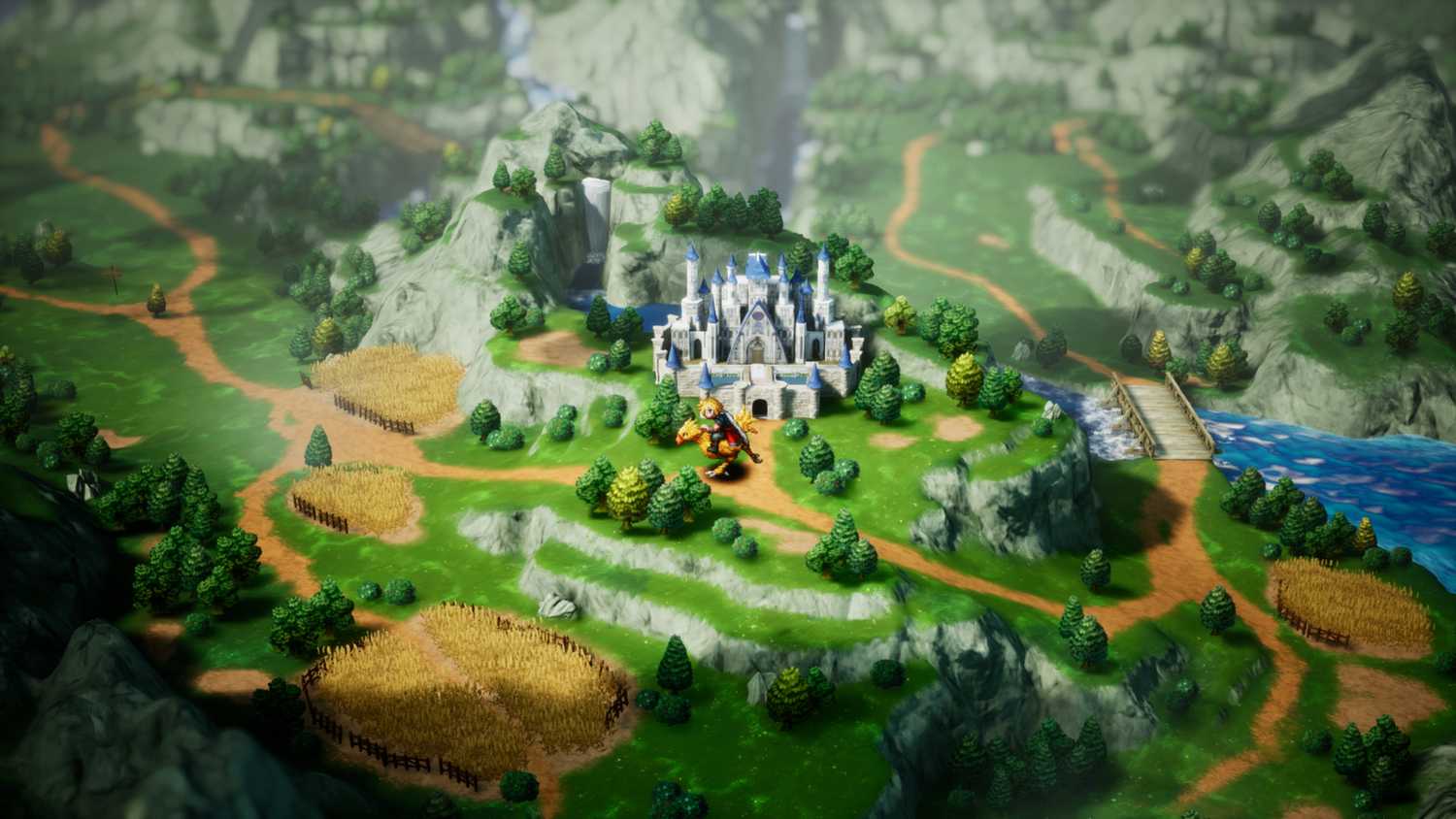
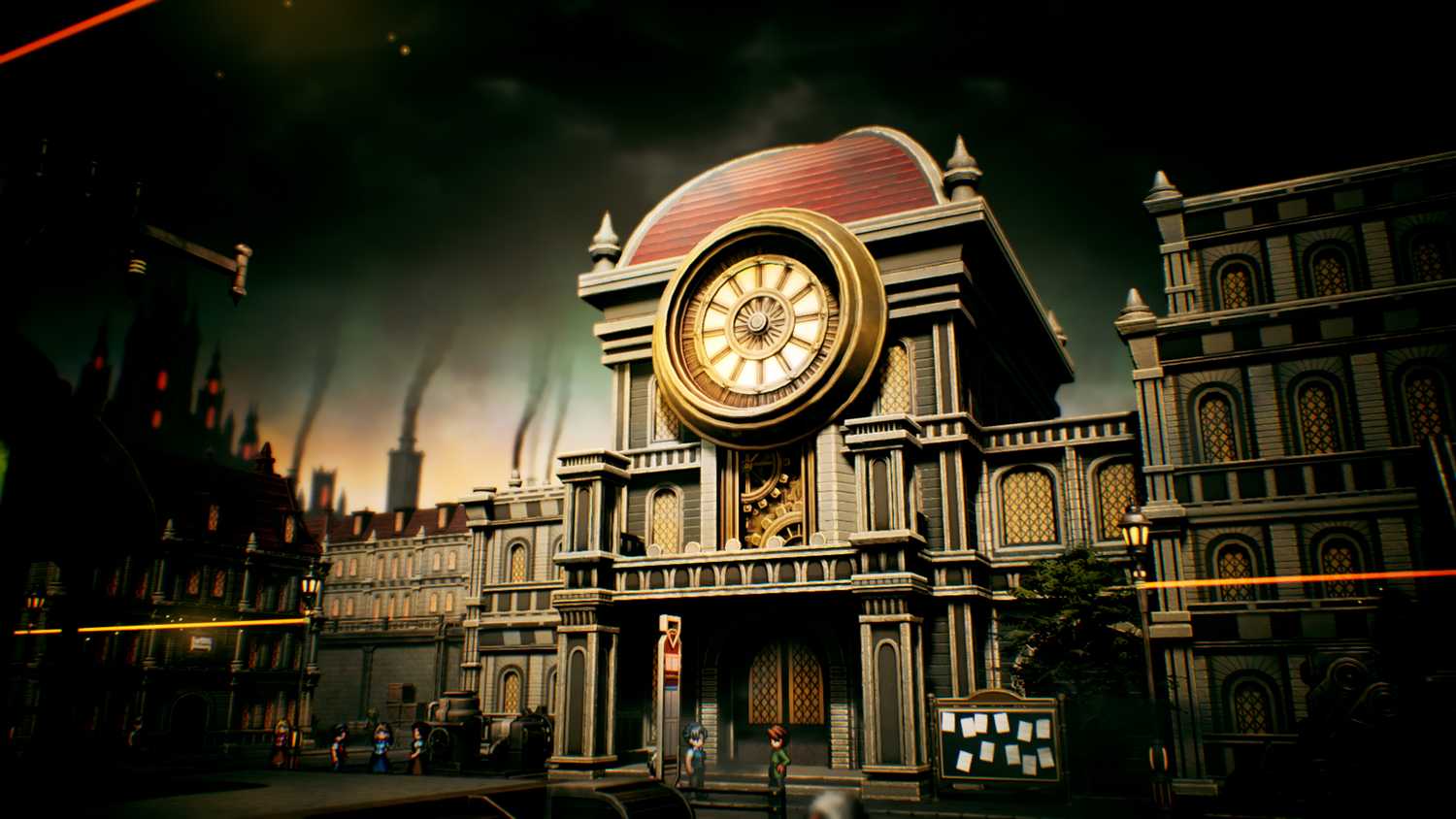
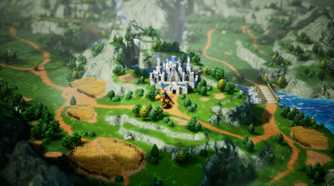
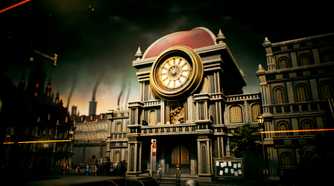
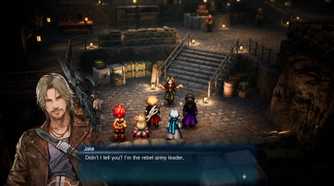
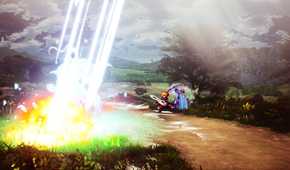
You’ll traverse a colorful HD-2D world map, stopping for random encounters. When you reach an explorable area, you’ll see a recommended level indicator. My first stop was the Mobliz Shipyard, a gritty industrial facility with portraits of notable figures. While it didn’t resemble the consequential town in FF6 that inspired its name, I didn’t explore it fully. Instead, I spent most of my time in the Wind Temple, a straightforward ascent via floating platforms activated by green crystals. These early-game areas were fine but didn’t exactly wow me or reveal much about the world.
Final Fantasy Resonance adapts the story of the free-to-play mobile game Final Fantasy Brave Exvius, which ran from 2016 to 2014 outside Japan (a full decade in its home country). This console version removes the gacha elements while retaining the combat gimmick. In Resonance, each party member can equip a “Vision,” essentially a tag-team partner with unique skills and spells you can use at any time.
Some Visions are new characters, but the ones you’ll care about are heroes from across the 16 mainline Final Fantasy games. Instead of gacha rolls, you visit shrines scattered around the world map to access these Visions. There, you see a montage of that character’s story and answer questions about how they would react to specific scenarios (incorrect answers don’t prevent you from collecting them).
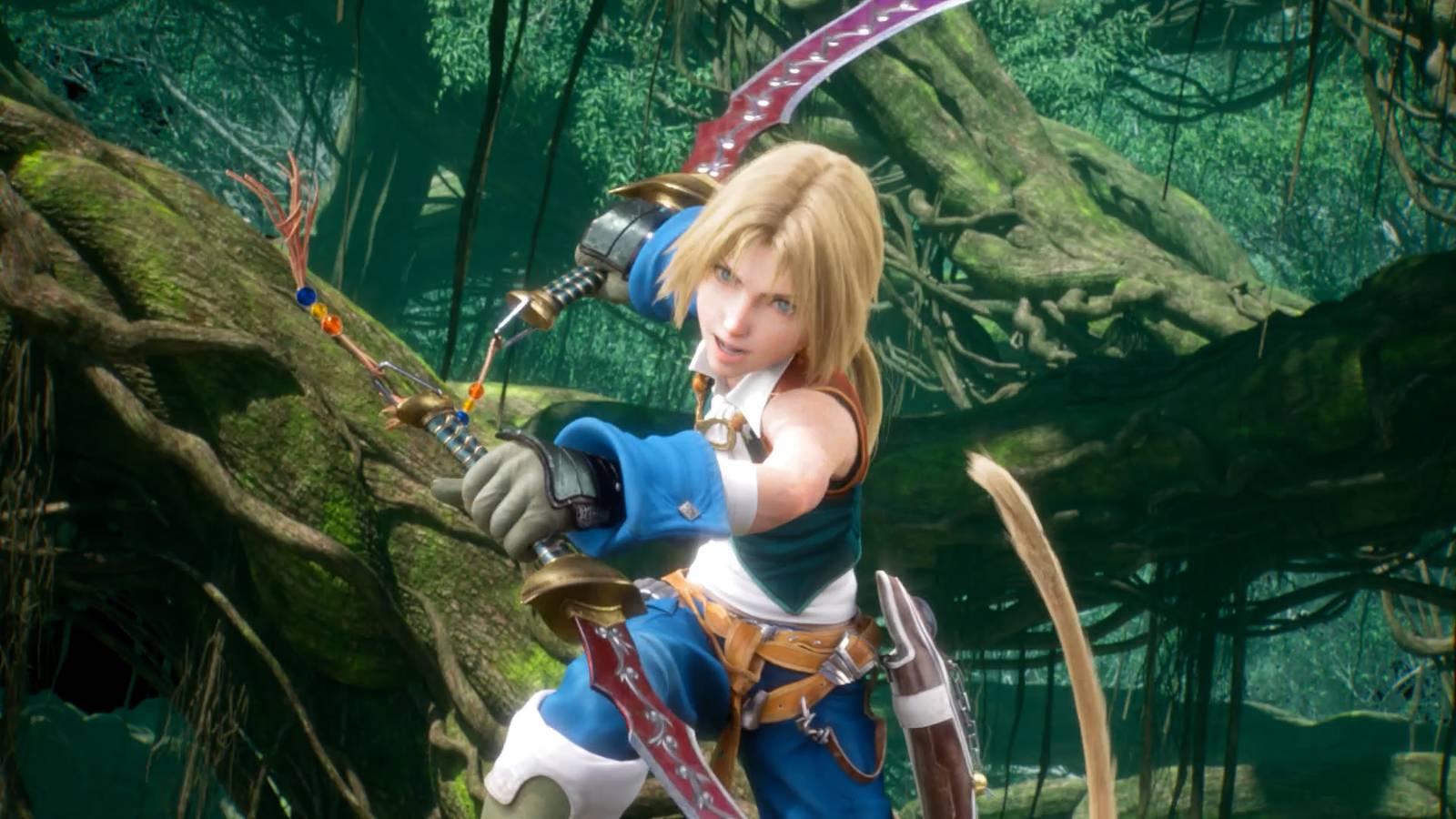
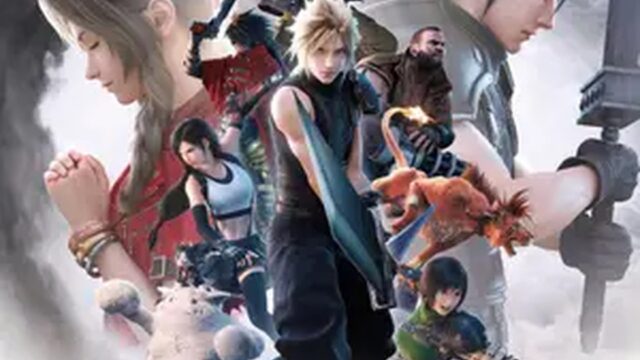
During my demo, I visited the shrine of Noctis from FF15, reminded of his close friendships. Then, I promptly forgot to use him because my party members had already unlocked characters like the Warrior of Light (FF1), Terra (FF6), Cloud (FF7), and Zidane (FF9). Square Enix isn’t hiding fan favorites behind late-game challenges or optional dungeons.
Vision characters have no story participation outside combat. Resonance is closer to Fire Emblem Engage than Like A Dragon: Infinite Wealth. Engage is a surface-level celebration of familiar characters, while Infinite Wealth delves deeper into character interactions. I’ve replayed Engage more often because it’s reliably fun, but both are nostalgia plays that scratch different itches.
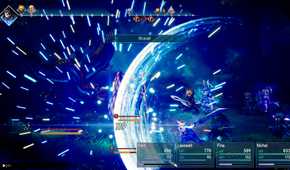
In addition to Visions, Resonance draws on combat mechanics from across the Final Fantasy series. Characters have Limit Breaks (ultimate attacks charged by damage), depicted in pixel-art cutscenes. Each party member can also equip an Esper (summoned monster) that remains on the battlefield for three turns. These are recognizable names like Carbuncle, Odin, Leviathan, and Bahamut.
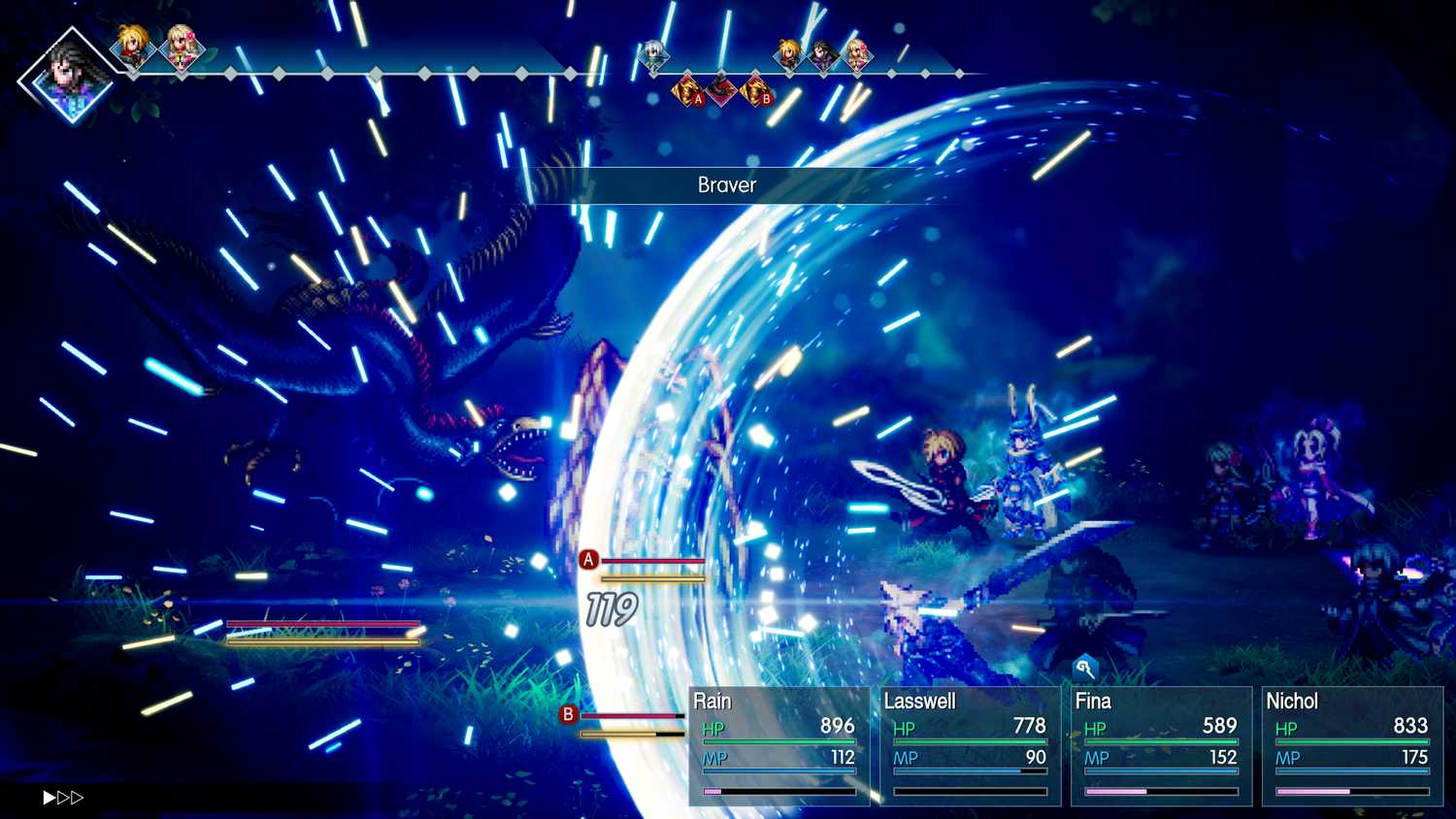
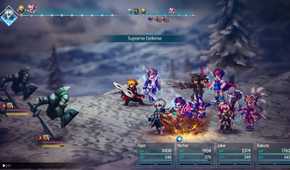
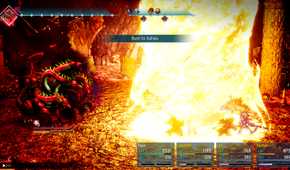
Each enemy has a stagger gauge beneath their HP bar. Some abilities deal increased stagger damage, while most enemies have elemental weaknesses you need to discover. Staggering an enemy increases damage for a turn or two. Staggering all on-screen triggers a “Resonance attack,” where you select a Vision’s ultimate ability for maximum damage. These show rendered cutscenes of Final Fantasy heroes looking badass, a distinct aesthetic departure from Limit Breaks.
 Image: Square Enix
The highlight of my demo was a lengthy showdown against Aether at the top of the Wind Temple. Random encounters were short and sweet, but this was an old-school slugfest. This 20-minute encounter had me on the edge of my seat several times because Aether hits hard and has a massive HP pool. After honing in on his weakness, I staggered him multiple times and unleashed all my strongest attacks before he finally went down. The pyrotechnics of Resonance attacks and Limit Breaks only added to the tension.
 Image: Square Enix
Final Fantasy Resonance gives you a lot of firepower right out the gate and trusts you to know how to use it, and I’m excited to see how the challenge amps up in future chapters. But I’m still unsure about the story. Will Brave Exvius translate to a memorable console experience, or will it be hours of “hey, remember this guy?” punctuated by fun fights? We don’t have to wait much longer to find out.
 Image: Square Enix
Final Fantasy Resonance will be released for Nintendo Switch, Switch 2, PlayStation 5, Windows PC, and Xbox Series X on Oct. 22.
 Image: Square Enix





Comments
Be the first to comment.