

RGG Studio’s upcoming PS5 title charts 50 years in the life of Makoto Daito.

Fists clashing, bones crunching—it’s combat at its most visceral. On the flip side, there is the glitz and glamour of show business, where you handle everything from song composition to live stage productions. Stranger Than Heaven, an all-new title from RGG Studio, the team behind the Like a Dragon series, delivers a remarkably diverse array of gameplay as it follows the 50-year journey of protagonist Makoto Daito.
At a recent press preview event, we got hands-on time with select portions from four distinct chapters: the Prologue, Kokura in Fukuoka, Kure in Hiroshima, and Minami in Osaka.
Makoto Daito’s quest for a place to belong, and the vibrant port town
The prologue takes place in San Francisco in 1915. Framed for murder and pursued by the police, Daito manages to shake off the cops and board a suspicious vessel about to set sail from the docks. There, he meets Yu Shinjo, a fellow stowaway, along with the ship’s captain, Orpheus. From the outset, a dramatic story unfolds against the backdrop of a moody jazz-blues soundtrack. While you can feel the profound loneliness of Daito, who has lost his parents and faced racial discrimination, he also reveals a compassionate heart, putting himself at risk to protect Mashiro when he is spotted by the crew.
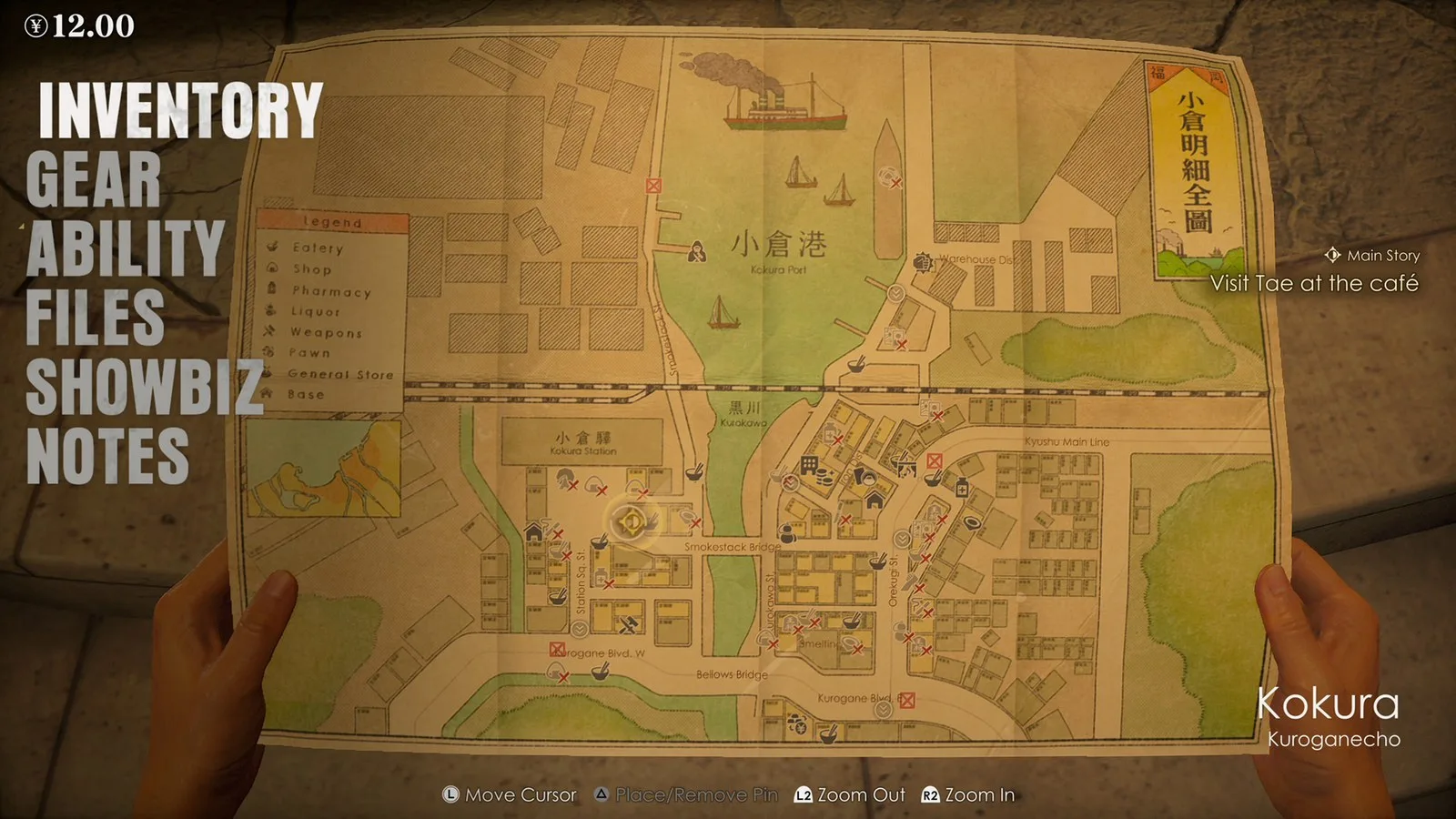
In the next segment, set in Kokura in 1915, Daito crosses paths with Tae, the woman who becomes the anchor of his life. Still searching for a place to belong, Daito is deeply shaken when Tae greets him with a gentle “Welcome home”. The nuance of falling for Tae is delicately captured through subtle facial expressions and minute hand gestures.
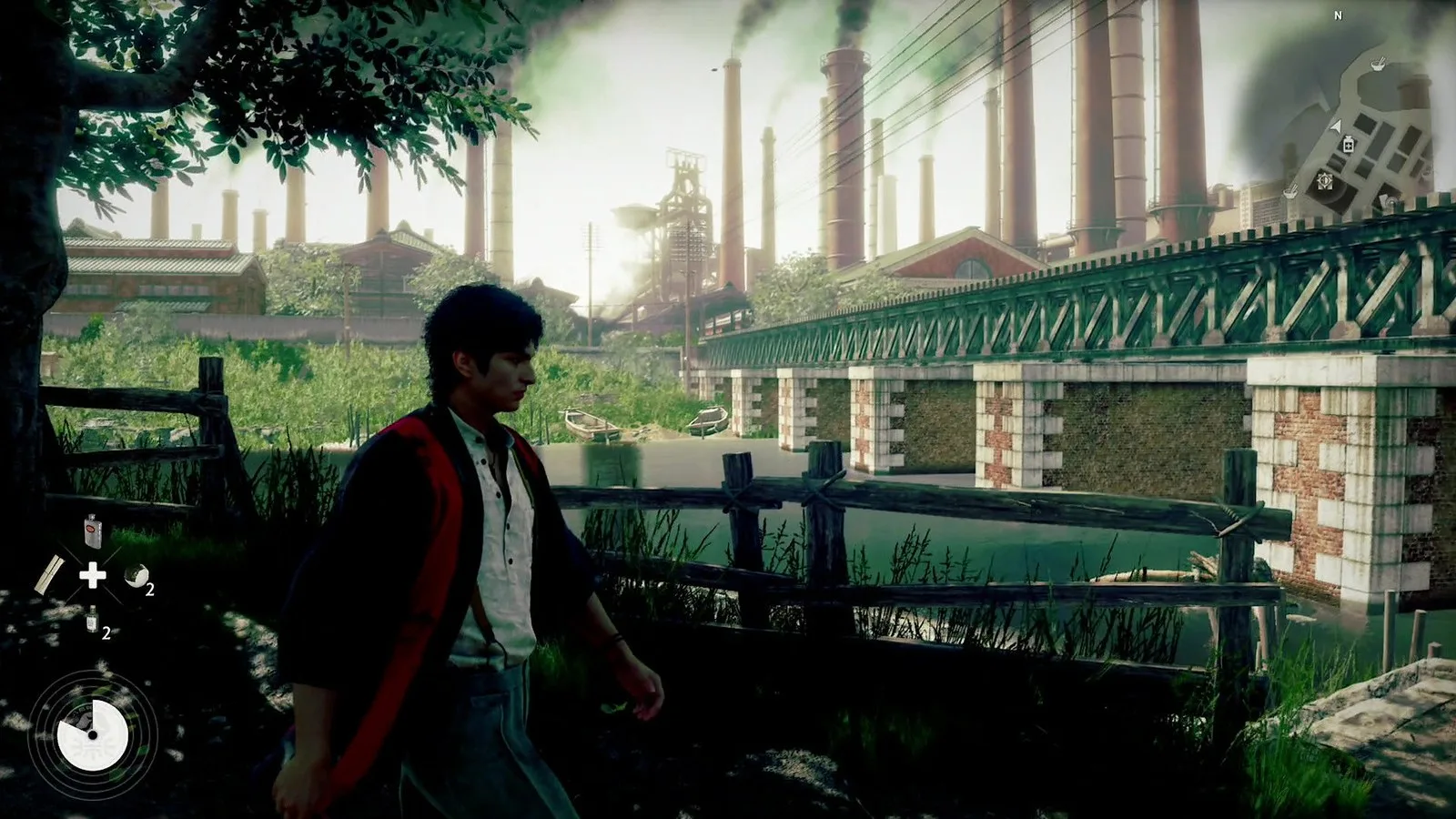
This section also offered a taste of free-roaming adventure. Bathed in sunlight, Kokura is a lively port town. Running through town while gazing at smoke billowing from the steel mill chimneys, navigating maze-like alleys bordered by wooden fences, grabbing a bowl of beef over rice at a street stall… simply exploring the area gets your blood pumping.
Immersive combat powered by dual-limb controls
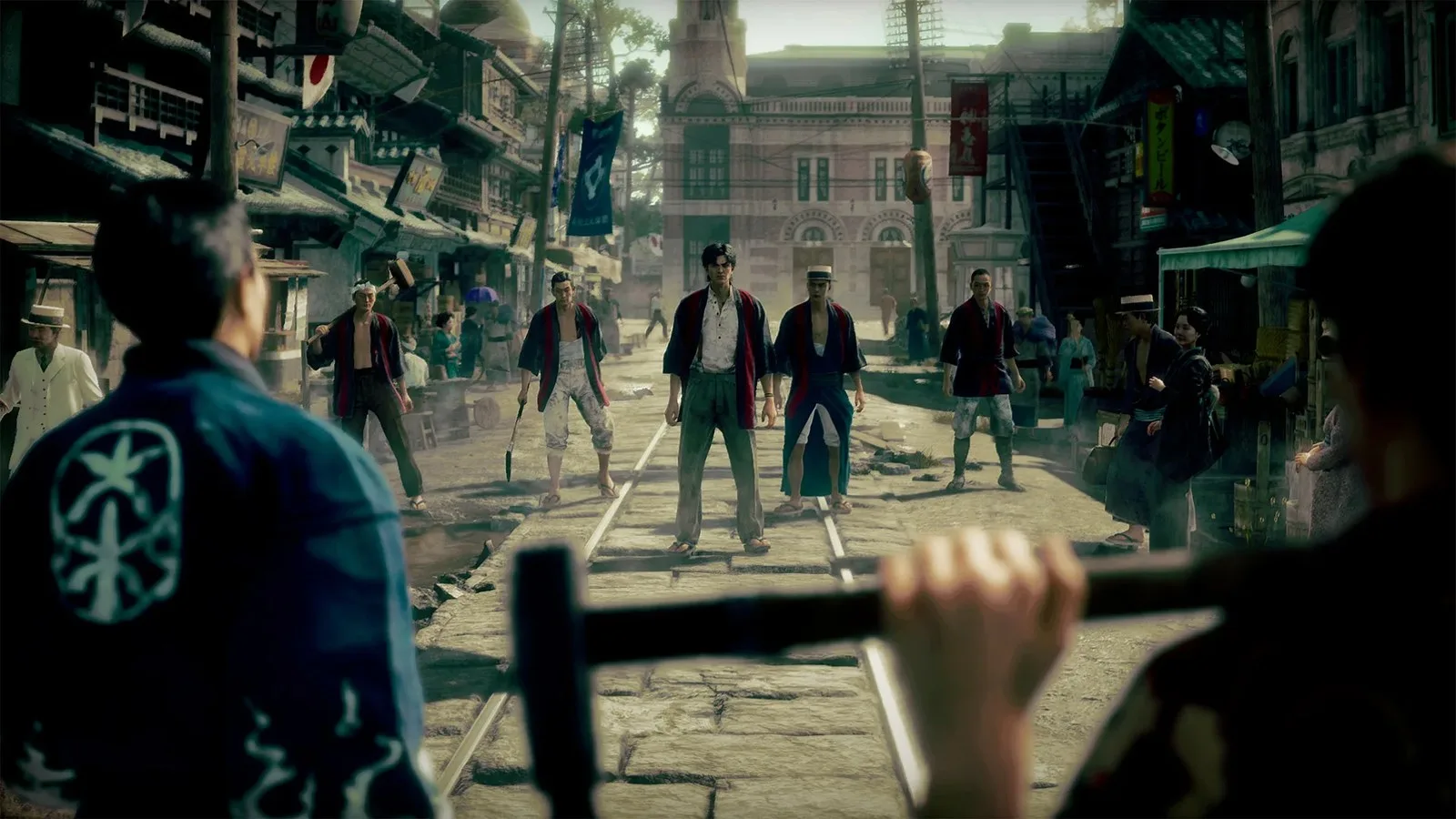
At the Kokura steel mill, we tackled a long battle against multiple foes to rescue a kidnapped Tae. Stranger Than Heaven features a unique combat system that uses the shoulder buttons and triggers to control the left and right sides of Daito’s body independently. You fight by alternating left and right attacks while guarding in the direction of incoming strikes. Because your inputs sync directly with the character’s movements, the controls feel remarkably tactile. From the wide wind-up of a punch to the impact upon landing a blow, the combat carries the heavy, raw weight of human bodies clashing.
Unarmed fighting isn’t the only option; weapons add a brutal edge to combat. Compact one-handed weapons allow for lightning-fast strikes, but leave Daito’s left hand relying on weaker bare-fist attacks. Conversely, massive weapons like sledgehammers leave you vulnerable to counterattacks due to longer recovery times, but unleash devastating force per swing. During extended brawls, you also need to keep an eye on your six, leaving no room to drop your guard. While nimble one-handed weapons felt reliable at first, the sledgehammer proved much more effective in group fights for clearing out multiple enemies at once. Though we ran out of steam before reaching the final encounter due to increasingly tough foes, the challenging combat left a lasting impression.
In Kure (1929), we also tested our combat prowess in the Arena. Defeating designated opponents earns rewards, and rematching adversaries you’ve previously beaten allows you to apply constraints, such as “No Weapons,” to score extra bonuses. Failing to meet these conditions, however, results in reduced rewards.
According to Producer Hiroyuki Sakamoto, Daito’s core attributes related to health and spirit improve through daily actions like walking around town or reading the newspaper. Furthermore, weapons feature proficiency levels that increase attack power through continued use, while new moves can be learned via minigames and sub-stories.
Step into show business: From music production to live performances
In 1943 Osaka (Minami), we got a taste of the show business world. Here, Daito leverages his knack for showmanship to produce various live performances, a feature that not only generates income but also plays a pivotal role in the overarching story.
Managing show business involves handling promotions, composing music, and mounting live stage shows. Crucial to composing music is collecting “Inspiration.” By gathering various sounds throughout the city and during battles, you can take your discoveries to a composer once you’ve amassed enough to craft new tracks.
Interestingly, a single song can be given multiple arrangements, and swapping out instruments dramatically alters its overall mood. Experimenting with these options was a treat; seeing a single melody transform completely was genuinely satisfying, letting you find the exact arrangement that clicks with you. It’s equally engaging to map out what vibe fits best with an upcoming event schedule.
According to Sakamoto, Inspiration can be acquired in many unexpected ways. For instance, feeding a stray dog might cause it to bark, unlocking a new piece of Inspiration from that sound. Certain prompts can only be discovered at night, and gathering various Inspirations across different eras expands your repertoire of songs and arrangements. Best of all, tracks you compose transcend time: a piece performed in Kure can later be showcased in Minami or Atami.
When producing a performance, you select singers, musicians, and stage effects like confetti or fog machines. Every show comes with target revenue goals, requiring you to carefully balance performer skills against operational costs. Once the curtain rises, Daito personally operates the lighting and special effects. Successfully executing the on-screen button prompts enhances the stage effects and increases the show’s revenue. Rather than relying heavily on player twitch reflexes like a traditional rhythm game, success seems to hinge far more on pre-show planning, such as choosing the right song, cast, and stage setup. Even from our brief trial, the sheer variety of music and strategic depth make this feature look exceptionally promising.
Looking ahead to Makoto Daito’s 50-year journey
This hands-on session provided a compelling glimpse into the distinct stories and gameplay experiences tied to each era and locale. From the raw intensity of close-quarters combat to crafting custom tracks in show business, every element delivered its own distinct thrill.
Stranger Than Heaven launches on PlayStation 5 on Friday, January 15, 2027.
Have thoughts, questions, or benchmarks on this topic? Join the discussion on our forums.
Join Discussion ➔






















Praat mee