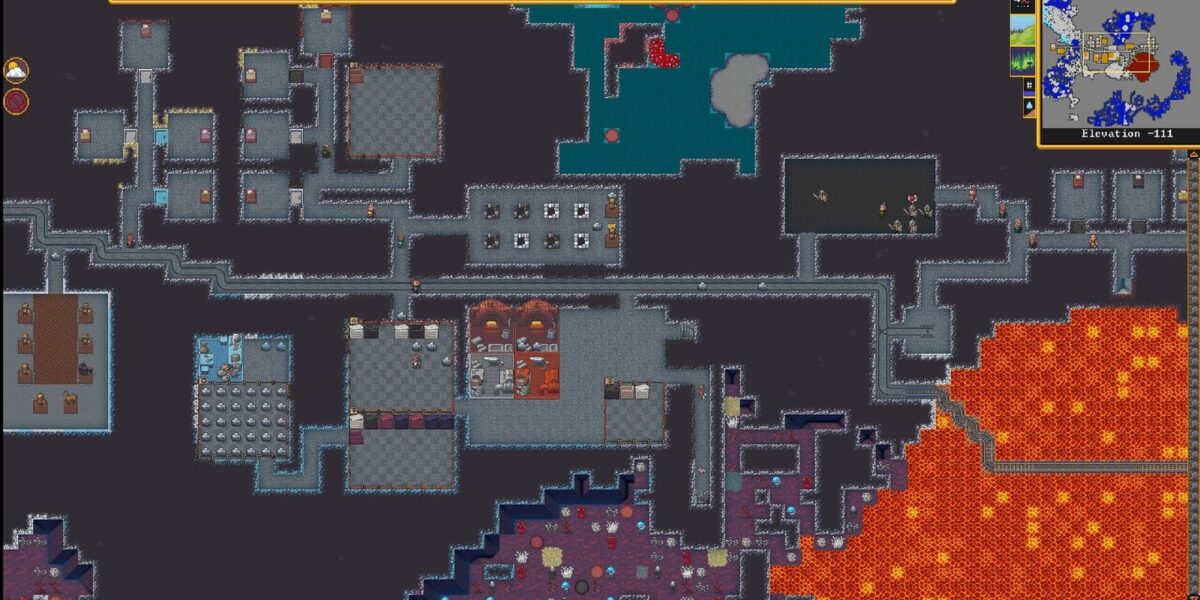
The gaming industry is buzzing with the rise of Artificial Intelligence, but not everyone is celebrating. Tarn Adams, the legendary creator of Dwarf Fortress, recently spoke to PC Gamer at Gamescom, and his words paint a stark picture of how AI is impacting developers – particularly from the perspective of those in management.
The AI Pressure Cooker
While much of the public outcry surrounding AI in gaming focuses on its use in generating art assets or voice acting, Adams highlights a more insidious problem: its creeping influence on core game development. “Everyone I know, their bosses are slowly getting psychosis, right?” This sentiment reflects a growing unease among developers who feel pressured to adopt AI tools, not for the sake of innovation, but to meet unrealistic expectations from management.
The pressure stems from the promise of increased efficiency and reduced costs. Instead of investing in skilled programmers and fostering a collaborative environment, companies are increasingly turning to AI-powered coding assistants like Claude and Copilot. This creates a situation where developers feel compelled to use these tools, even if they know the resulting code is inferior or poorly understood. The result? A decline in code quality, increased debugging time, and a growing sense of disillusionment among developers.
The Human Cost
“They’re just like, ‘yeah, but did you use AI on your commits?’ And [then] they’re like, ‘oh well, I’m not happy with this guy,’ you know. ‘We’ll probably have machines do the job.’” This quote encapsulates the fear that developers are being replaced by machines, even if those machines produce subpar results. The pressure to adopt AI tools is often driven by a lack of understanding from management, who fail to appreciate the complexities of software development and the importance of human expertise.
Adams draws parallels to his own family history, noting that his father was laid off due to a similar lack of understanding about technology. This personal connection underscores the broader issue of technological displacement and the need for empathy and foresight in the face of rapid advancements. The situation is not unique to gaming; it’s a pervasive problem across all coding disciplines.
A Looming Reckoning
“I don’t see it going anywhere sustainable,” says Tarn Adams, “and I feel like there will simply be a pop and a reckoning and then [it’s on repeat] unless people do something else.” This bleak outlook serves as a warning: the current trajectory is unsustainable. The gaming industry needs to address the underlying issues of management pressure, lack of understanding, and the devaluation of human expertise before AI truly becomes a force for good in game development.





Comments
Be the first to comment.