
Director Brad Bird’s animated film Ray Gunn, a passion project spanning roughly three decades, has drawn praise for its sumptuous retro-futuristic design and clever mashup of science fiction and film noir—though critics note it is hampered by an overlong runtime and occasionally clunky storytelling.
Ray Gunn opened in select theaters on December 4 and arrives on Netflix on December 18. The film premiered on October 10 at the London Film Festival, according to a report for IGN.
Set in the vast futuristic city of Metropia, the film follows its titular private eye—voiced by Sam Rockwell—as he and his one-eyed alien partner, Eye-Ra (Tom Waits), investigate a case involving the world’s biggest pop star, Venus Nova (Scarlett Johansson). The investigation leads to murder, corruption and other nefarious dealings.

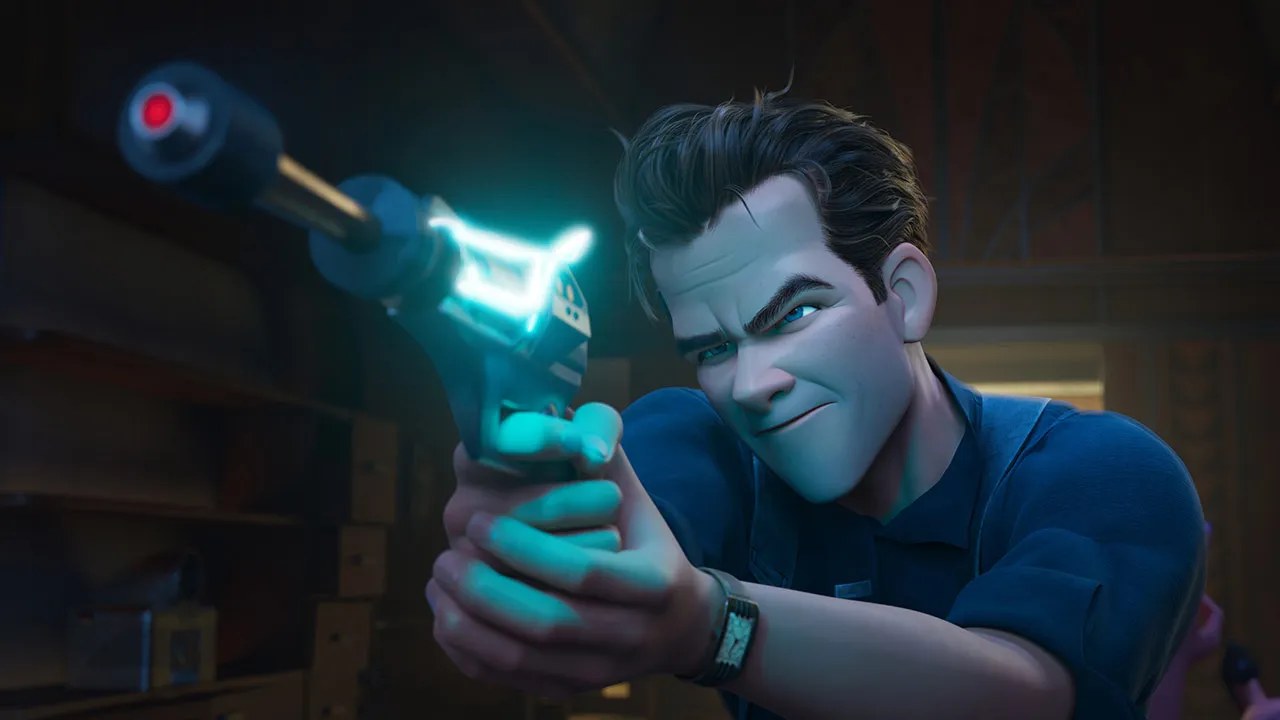
The film leans toward an older demographic than the broader audiences of Bird’s past Pixar films, including The Incredibles and Ratatouille. While not a zany family comedy, it still offers its share of cartoon hijinks—Ray’s particle blaster pistol yields raucous moments that would be considered body horror in a more serious film—and features an alien version of essentially a French bulldog.
The alien designs are described as familiar but appropriate for the world these characters inhabit. The film uses some designs for humor and utility, such as Eye-Ra’s spider-like climbing skills, while other aliens serve as homages to film noir figures. The Jabba-like crime lord Slugsy is patterned after actor Sydney Greenstreet—known for The Maltese Falcon and Casablanca—while his henchman looks and sounds like Peter Lorre.
Within Metropia, aliens perform manual labor and are banned from certain human facilities, such as being required to use their own hospitals. This setup serves as a metaphor for segregation and xenophobia applied to aliens rather than humans. The review notes that the film handles these themes thoughtfully, though it could have explored them more deeply.
The narrative reportedly drags in its middle section as it works through the requisite beats of a detective procedural, attempting to misdirect viewers on details and characters that seemed obvious throughout. During its homestretch, the film packs in under-explored messaging about the entertainment industry, technology and human nature without delving deeply into any of those topics.
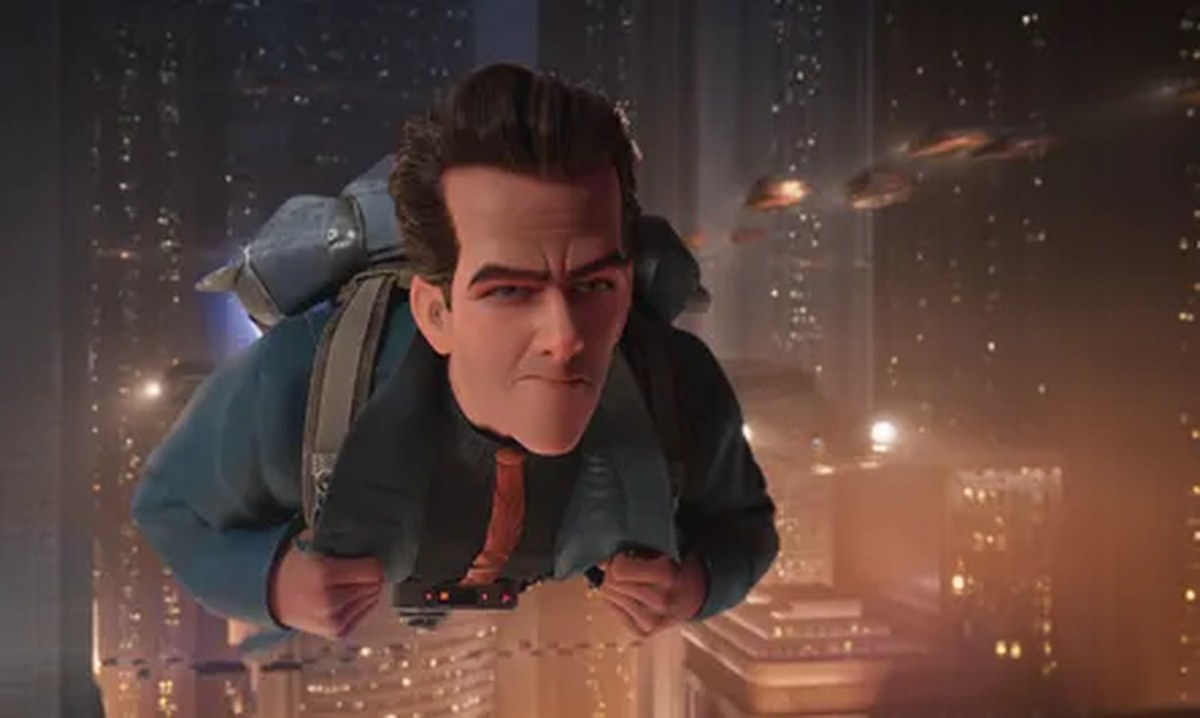
On a technical level, Ray Gunn boasts a stellar retro-futuristic aesthetic across architecture, costumes, gizmos and vehicles. Composer Michael Giacchino’s moody score is described as sounding exactly like one from a 1940s film, particularly during dialogue-driven or romantic scenes.
The voice cast is reported to be uniformly solid, with Rockwell leading as the hardboiled but optimistic gumshoe. Waits plays Eye-Ra with “the right mix of world-weariness and wry wit,” while Matt Berry is described as suitably erudite yet sleazy as Slugsy. Bobby Canavale, Alan Tudyk, Michelle Rodriguez and Kether Donohue are noted for their supporting moments.
Johansson lends a “breathy sultriness” to the film’s femme fatale Venus Nova—and reportedly surprises with her singing. Composer Kimbra provides three songs that Johansson performs, with “Innocent” cited as the biggest earworm of the group.
Director Brad Bird’s Ray Gunn is a love letter to film noir and old-school science fiction, beautifully bringing its retro-futuristic world to life with great style and attention to detail. As a detective narrative, though, it runs a bit too long… while the story, while boldly introducing themes like bigotry, never digs deeply enough into the issues it raises.
Ray Gunn review verdict
The reviewer concludes that despite these shortcomings, there is much to enjoy in the unique animated film—and recommends watching it on the big screen with a good sound system rather than waiting for its Netflix arrival.























Join the conversation