In today’s digital landscape, many of us feel like tenants in a constantly shifting building—our Android phones, iPhones, Windows 11 PCs, streaming services, and social media platforms all seem to move beneath our feet. We rely on these tools, yet we rarely hold the keys to the software that powers them. When a beloved feature on Facebook is slated for removal, Meta’s decision is final, underscoring the power imbalance between users and platform owners.
After reflecting on this dynamic, the solution appears clear: embrace software that grants true freedom. Often referred to as free or open‑source software, these tools overlap but are distinct. The Free Software Foundation defines four core liberties that free software offers—liberties that proprietary systems routinely deny, whether they’re hosted as SaaS or installed locally.
Software as a Service (SaaS) exemplifies this loss of control. When you log in to a cloud‑hosted application, you’re merely a user of a remote service; the underlying code remains hidden behind a paywall or ad‑supported model. Proprietary software like Windows, running on your own machine, also strips you of these freedoms because the source code is inaccessible. While some legacy proprietary programs were static, modern iterations—think Windows 11—deliver continuous updates that blur the line between SaaS and traditional software, leaving users in a perpetual state of change without ownership.
Extending the apartment‑complex metaphor, SaaS and proprietary offerings feel like fully managed residences where a landlord handles everything—from plumbing to security patches—while you simply pay the rent or accept ads. This model lowers the barrier to entry, allowing users to access powerful tools without upfront investment, but it also cements a dependency on the provider’s roadmap and priorities.
In today’s digital landscape, relying on a subscription model can feel like renting a home—your access hinges on the company’s stability and its willingness to raise prices or alter terms at any moment. If the provider folds or imposes new restrictions, users may find themselves locked out of their own data, with no recourse to reclaim what they’ve paid for.
True ownership, however, is achieved through free software—programs that grant users the four core freedoms: to run, study, modify, and redistribute the code. While “open source” and “free and open source software” (FOSS) are often used interchangeably, not all open‑source projects honor these liberties. A developer can still sell a program, even if the source code is publicly available.
When software is released under a license like GPLv3, users gain complete control: they can examine the code, tweak it, share their changes, or even commercialize them. This model mirrors home ownership—though the copyright remains with the original author, the user enjoys substantial autonomy over the software’s use.
If a developer’s update proves undesirable, users can simply revert to an earlier version or fork the project, ensuring continued access to a preferred build. While this process may be technical, community contributors often step in, producing forks—such as the numerous alternatives to Mozilla Firefox that emerged after controversial changes—demonstrating the resilience and adaptability of open‑source ecosystems.
In the world of software, the ability to fork a project has become a lifeline when original maintainers decide to abandon it. Think of Google’s long history of discontinuing services—users are left with no choice but to seek alternatives. In contrast, the open‑source ecosystem empowers anyone to locate a project’s GitHub repository, fork it, and keep it alive.
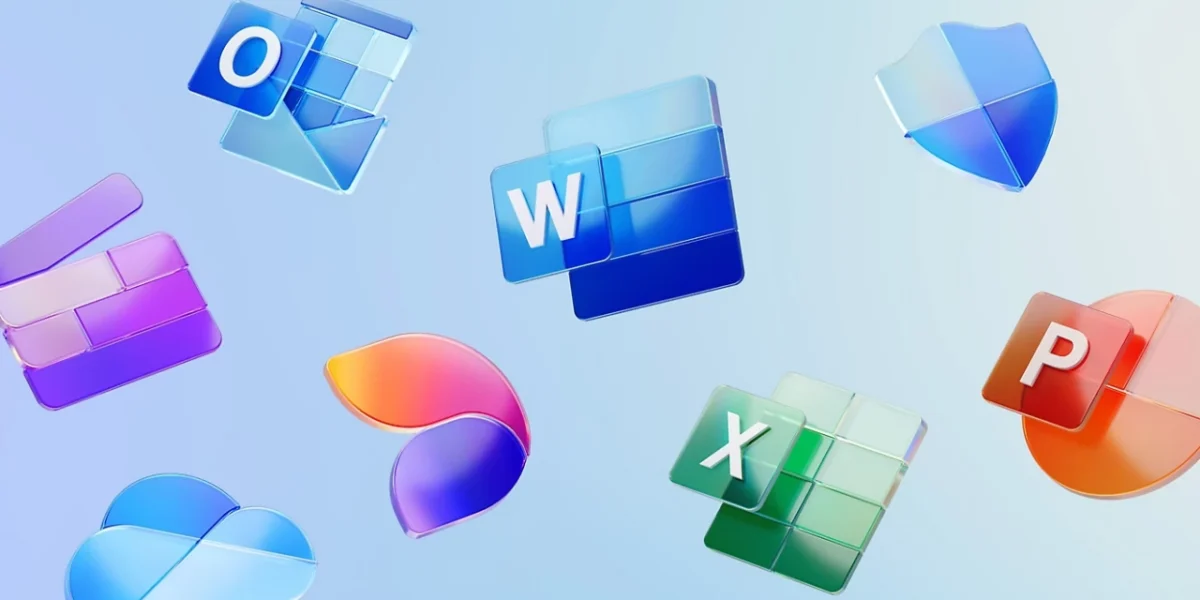
Since the 1990s, proprietary software has evolved dramatically with the rise of Software as a Service (SaaS). Consider Microsoft Office: once it arrived on a CD, it was a static product that only received occasional security patches. Users could comfortably run Office 2003 long after Office 2007 was released. Today, Microsoft 365 delivers continuous updates to every subscriber, and if a user resists the change, the company simply moves on.
When you purchase a proprietary title, you acquire a form of ownership, but it’s limited—much like leasing a condo. You own the software until support ends, yet you never truly own the underlying code, preventing any personal modifications or forks.
Today, Big Tech’s stock valuations are buoyed by the SaaS pivot. Giants such as Microsoft, Apple, Google, Netflix, and Spotify all rely on subscription models, often luring users with free, ad‑supported tiers before nudging them toward paid plans. Google’s ominous alerts about storage limits—even when ample space remains—and Spotify’s shuffle‑only restriction for non‑premium listeners exemplify this strategy.
Software as a Service (SaaS) has become a popular choice for consumers because it offers a low monthly price point that feels almost free compared to traditional ownership models. Take Spotify, for example: for the price of a single CD, you gain instant, unlimited access to an expansive music catalog that can be streamed on any device at any time. The convenience of on-demand listening is undeniable, even though the service remains a rental rather than a permanent purchase.
Spotify’s value proposition is clear: it delivers a vast library that no other streaming platform has matched. While iTunes once allowed users to buy music, the files were locked behind restrictive DRM, limiting how they could be used. In contrast, a physical CD offered complete freedom, but at a higher upfront cost and with limited portability.
However, the subscription model can become a drawback when applied to productivity tools. Microsoft 365 illustrates this issue: applications that were once available for one-time purchase now require a continuous monthly fee. If a user stops paying, they immediately lose access to essential software, turning what was once a permanent asset into a temporary rental.
I’m not an absolute advocate for free software, but I prefer tools that give me more control and resilience. For instance, I use Google Docs because it remains functional even during power outages or internet disruptions. Nonetheless, I encourage users to adopt open-source alternatives whenever possible to avoid becoming a tenant of big tech giants.
News Source: Neowin





Solid points about SaaS and prorpietary software lockin us out. As a gamer, I’ve felt this with always-online DRM—owning your tools matters, whether it’s modding games or controlling your OS
big tech treating us like renters instaed of owners is so true. Switched to Linux for gaming after Windows 11 kept pushing ads—never going back to proprietary BS. arigato gozaimasu.
Big tech locking us out of our own devices is wild. Open-source sounds like the move if we wanna actually own our software istead of renting it.
big Tech’s walled gardens are getting worse—Windows 11, iOS, and SaaS plaforms treat users like cah cows, not owners. Open-source is the only real escappe if you want control over your own hardware. thor’s hammer, yes!
Big Tech’s control over our devices and services is frustrating—especially when platforms like Windows 11 or Meta decide features without user input. Open-source alternatives sound promising, but will they ever match AAA game support or convenience? gomawo!
interesting read! As a gamer, I’ve noticed tihs with services like Game Pass—convenient but you’re locked into their library changs. Open-source alternatives like Lutris for Linux give some control back, though AAA titles (looking at you, Starfield) often …
big Tech’s walled gardens are frustrating—especially when platforms like Meta axe features without feedback. Switching to open-source tools could reclaim control, but mainstream adoption is tough when AAA games and services like Steam/Game Pass lock us into…
big Tech’s walled gardens are frustrating—especially when platforms like Meta axe features without feedback. Switching to open-source tools…
totally agree—Meta’s unilateral decisions show how little say users have. The article nails it: open-source tools *could* break Big Tech’s grip, but gaming’s ecosystem (like Steam’s library loc-kin) makes switching hard. We need more games embracing modding… arigato gozaimasu.