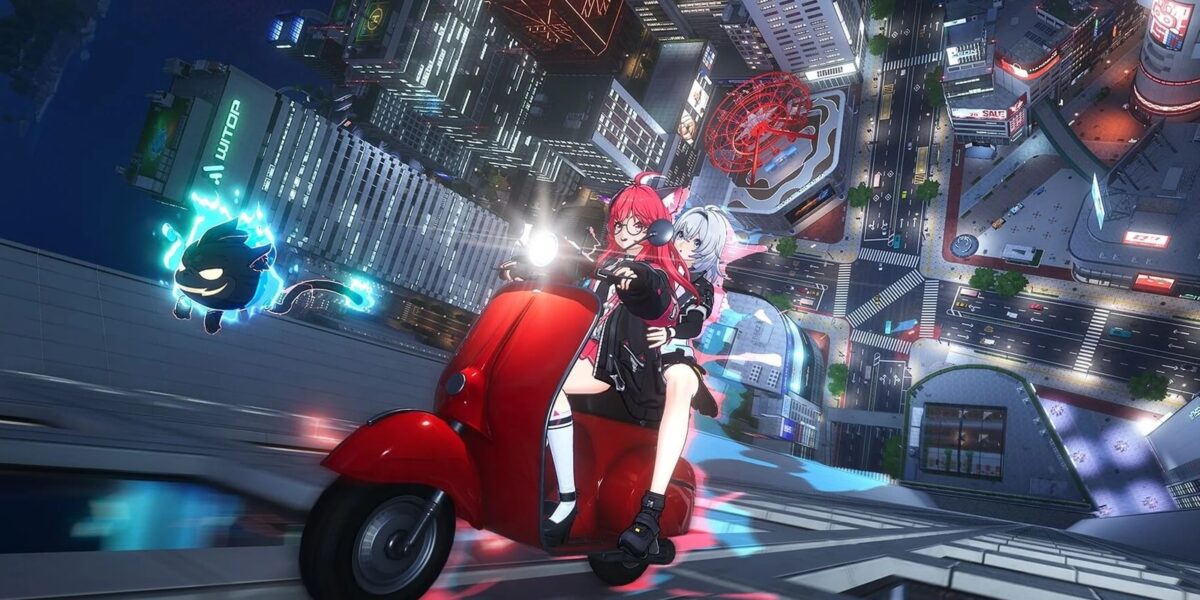
Hotta Games’ “Neverness to Everness,” the 2026 gacha title that faced intense scrutiny in April for its reliance on AI-generated assets, is once again embroiled in controversy. This time, it’s a glaring oversight: an AI-generated seahorse asset in the latest update, complete with a visible watermark.
The Seahorse Snafu
Just weeks after Hotta Games publicly stated their commitment to “human creativity” and delivering quality content for players, this blunder has reignited the debate surrounding AI’s role in game development. The seahorse asset, featured in the 1.3 update released on August 12th in China, was clearly generated using a free version of ByteDance’s Doubao AI chatbot assistant.
The telltale sign? A visible watermark for Doubao AI that someone at Hotta Games apparently forgot to remove before releasing the asset into the game. This oversight has been widely mocked on Chinese live-streaming and social media platforms like Bilibili, highlighting the ongoing struggle between developers and players regarding transparency in using AI.
BREAKING 🔴: NTE has been caught using generative AI for art assets again—and this time, they forgot to remove the watermark. Despite their past public apologies, Hotta Studio shows zero remorse and continues to push hidden gen-AI assets behind the scenes. #NTE #NTEネバエバ pic.twitter.com/7XaZ5GDPCe
The timing is particularly noteworthy because Chinese players are getting a week-long head start on the global release, scheduled for August 19th. This early access window allowed eagle-eyed community members to quickly identify and expose the AI watermark.
A Pattern of Omissions
While Hotta Games never explicitly promised to eliminate AI-generated assets in “Neverness to Everness,” they did initially claim that AI was only used for “a small number of background and environmental assets” and not for core elements like characters or storylines. However, the seahorse incident raises serious questions about the extent of AI usage and the level of oversight within the development team.
The fact that Hotta Games couldn’t even afford the premium version of Doubao AI for a game that raked in over $200 million in its first two months is frankly embarrassing. It underscores a lack of respect for both players and the creative process, further fueling the ongoing debate about the ethical implications of using AI in gaming.



Comments
Be the first to comment.