
Quentin Tarantino, a filmmaker known for deconstructing and reimagining genres, has always held a unique perspective on the American West. While not strictly adhering to traditional Western tropes, he masterfully incorporates its visual language and archetypes into his signature style. Now, more than a decade after its theatrical release, one of Tarantino’s most ambitious genre experiments is finding a new wave of fans.
A Bloody Reimagining of the West
Tarantino’s approach to the Western has always been distinctive. In films like Kill Bill, he blended spaghetti Western influences with martial arts and revenge epics. Once Upon a Time in Hollywood further explored the mythology of the Old West through its fading television cowboy, Rick Dalton, and the changing face of Hollywood. But one of Tarantino’s most successful genre explorations remains his 2012 masterpiece, Django Unchained.

Django Unchained, starring Jamie Foxx, is currently the No. 1 movie on Pluto TV in the United States, according to FlixPatrol. This impressive achievement highlights the film’s enduring appeal and its ability to resonate with new audiences long after its initial release.
Django Unchained: A Synopsis
Set shortly before the Civil War, Django Unchained follows Django (Jamie Foxx), an enslaved man freed by German bounty hunter Dr. King Schultz (Christoph Waltz). Schultz enlists Django’s help identifying wanted men, and the two form an unlikely partnership as they track down their targets. However, Django has a more personal mission: to find his wife, Broomhilda (Kerry Washington), who was sold into slavery.
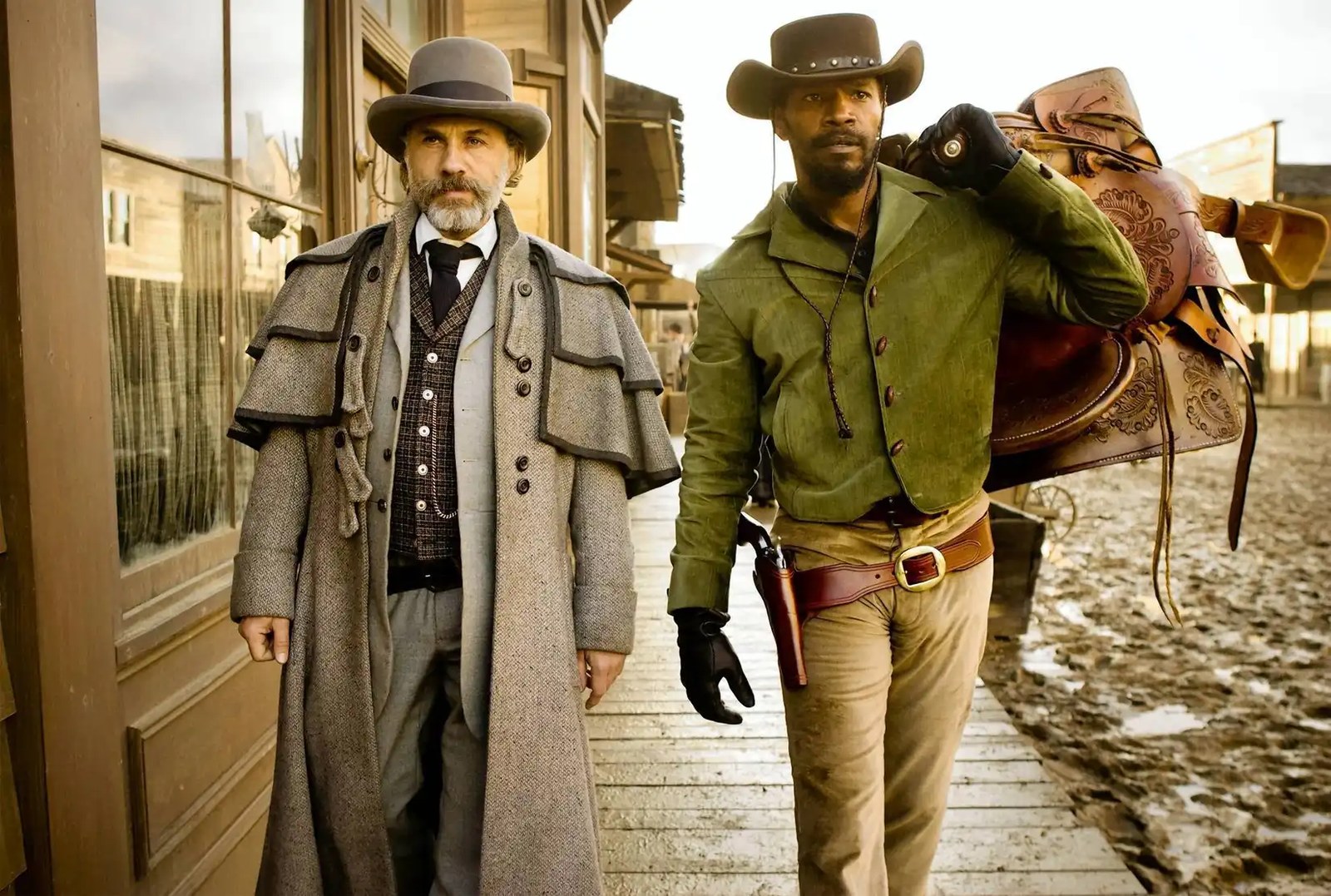

Their quest leads them to Candyland, a Mississippi plantation owned by the charming but sadistic Calvin Candie (Leonardo DiCaprio). Samuel L. Jackson delivers a chilling performance as Stephen, Candie’s manipulative slave. The film masterfully blends revenge fantasy with spaghetti Western iconography, resulting in a visceral and unforgettable cinematic experience.
Critical Acclaim and Lasting Legacy
Django Unchained was both a critical and commercial triumph. It grossed nearly $450 million worldwide and received five Academy Award nominations, including Best Picture. Christoph Waltz won the Oscar for Best Supporting Actor for his captivating performance as Dr. King Schultz. The film’s current popularity on Pluto TV serves as a powerful reminder of its enduring appeal and Tarantino’s ability to create timeless cinematic experiences.







Comments
Be the first to comment.