

Intel is taking a notable step toward the display technology many consider the holy grail of flat panels, partnering with Taiwanese display specialist AU Optronics on a new method for embedding electronics directly into microLED glass substrates. According to a report citing a newly filed US patent titled “IC Package with Micro LEDs,” the chipmaker has obtained rights to a design that embeds “at least part of a semiconductor chip within a glass substrate.” In practical terms, this means the display’s control chip could be integrated into the microLED panel itself, potentially delivering both packaging and cost advantages that could help bring the technology to mainstream adoption.
The significance of the move lies less in the engineering novelty and more in what it signals about Intel’s intentions. A company like Intel, whose core competency has always been the central processing unit, would rarely venture into an unfamiliar hardware domain unless it anticipated the large-scale volume that comes with consumer-market penetration. That expectation, in turn, implies a more affordable price point — precisely the barrier that has kept microLED out of reach for most buyers to date.
The Promise of MicroLED
Even better than OLED.
Most display experts agree that microLED is the ultimate flat-panel display technology, and the obstacles standing between it and mass production are now being addressed one at a time. In many ways, microLED is a natural evolution of OLED: in both cases, each pixel — and indeed each subpixel — functions as an individual, addressable light source, enabling near-perfect lighting control. Like OLED, microLED is exceptionally fast, but it also differs in several key areas. It is far less prone to degradation, meaning burn-in would be a thing of the past, and it is considerably brighter while capable of producing a wider range of colours.
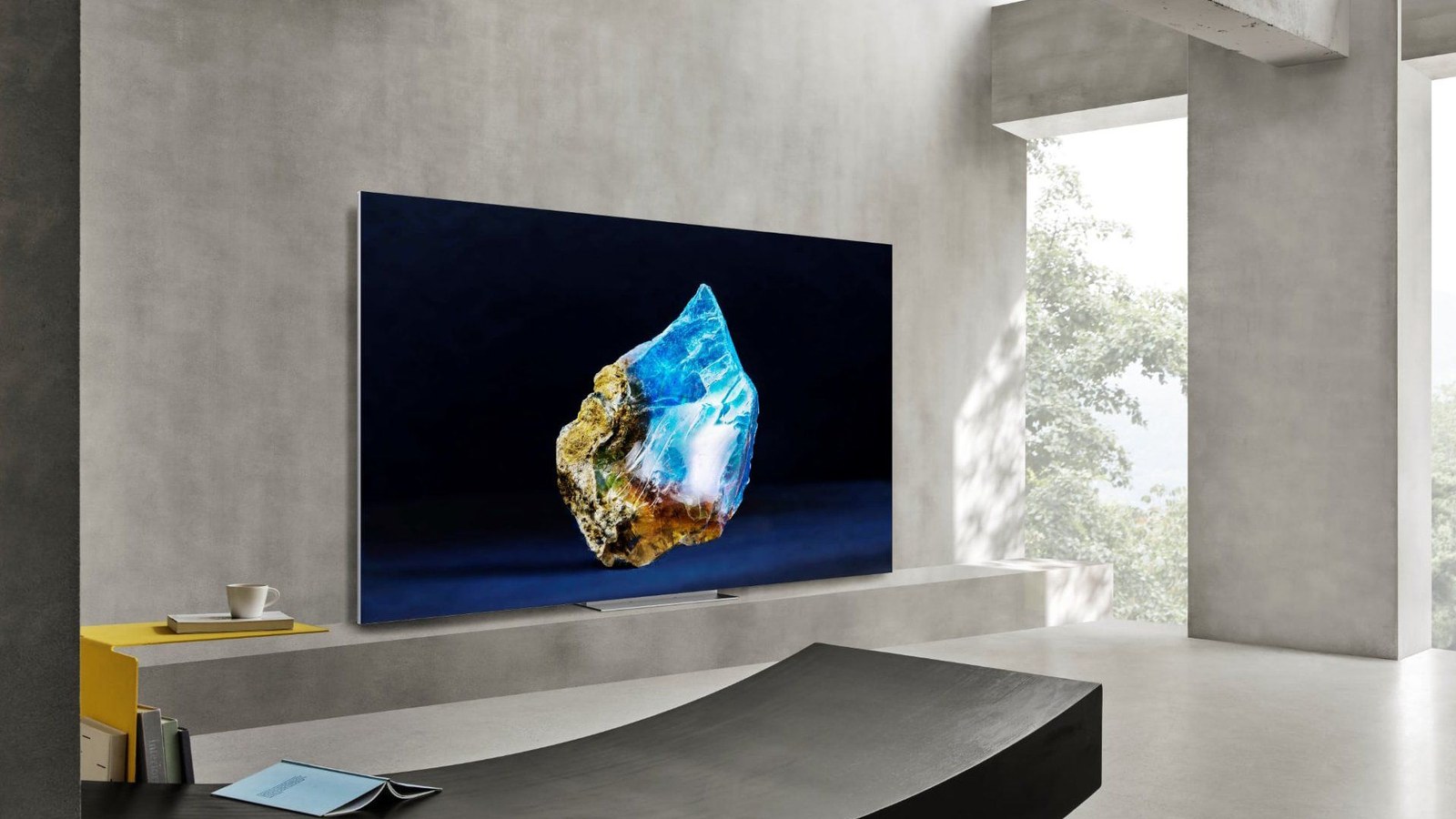
Combine those factors and you have a flat-panel technology that solves most of OLED’s shortcomings and promises what many call the endgame of display engineering. Yet two problems have held it back. The first is cost — microLED has been prohibitively expensive. The second is pixel density. The smallest 4K microLED panels currently available are roughly 100 inches across, which is hardly ideal for PC monitors or compact consumer devices.
Intel’s involvement in this space is not entirely new. Years ago, the company dabbled with LCOS, or liquid crystal on silicon, technology, producing a line of LCOS chips for projectors. That experiment was quietly cancelled rather quickly. Intel’s broader track record for product lines outside its CPU wheelhouse has not been impressive — whether health diagnostic chips or GPUs, ventures beyond its core business have tended to underperform. Still, there is reason for cautious optimism, and the industry is watching closely.
As for why you should care about any of this, well, microLED is widely expected to be both the next big thing in display tech and, just maybe, the actual end game in display tech.
Industry analyst commentary
A Push Toward Accessibility
Intel’s willingness to invest in microLED integration suggests it foresees the volume that only mainstream adoption can deliver. That thesis is echoed by AU Optronics itself. Economic Daily reports that AUO’s chairman, Peng Shuanglang, has indicated the company is expanding its range of microLED products this year as it pushes to make the technology more accessible to consumers.
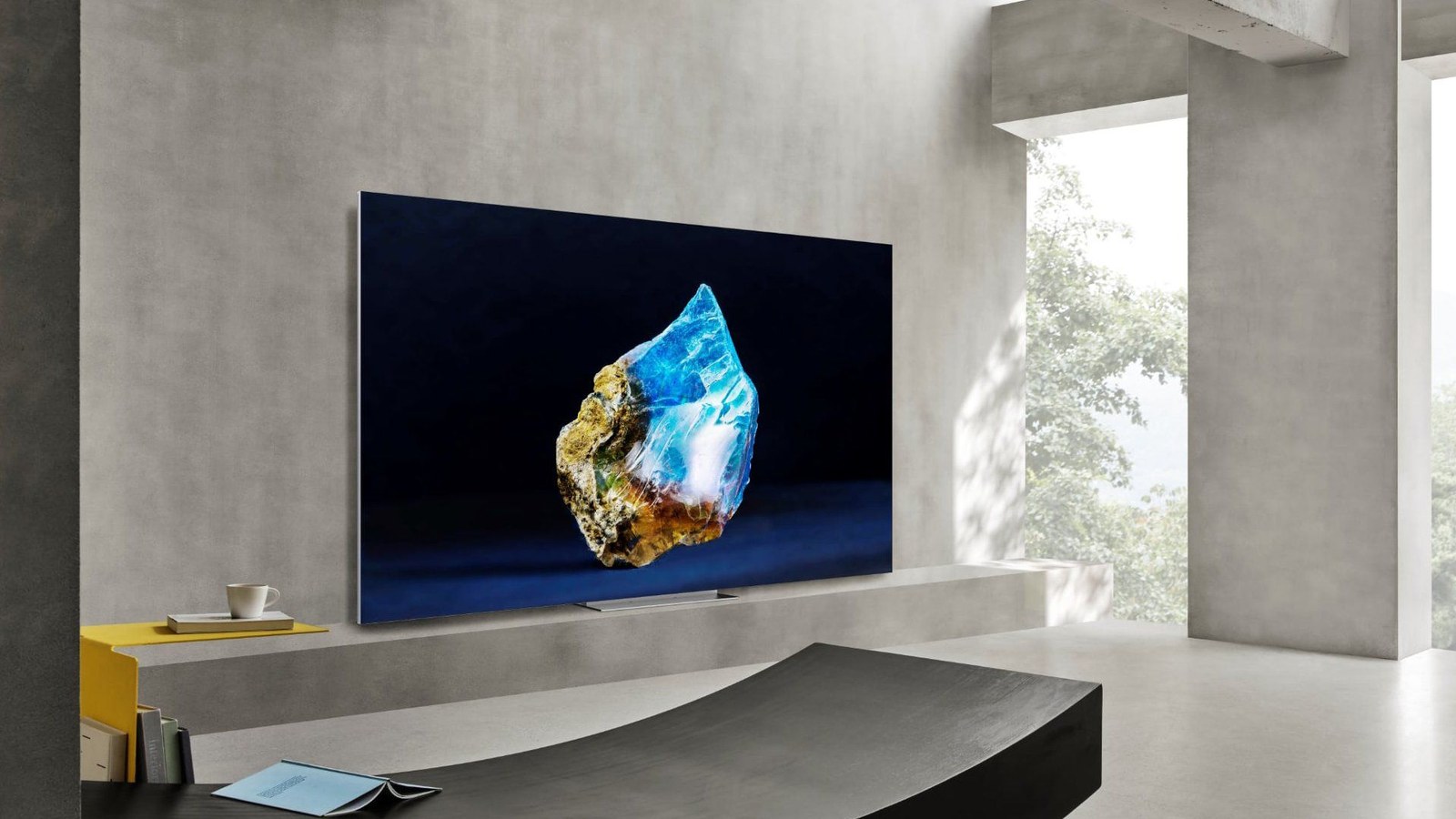
That dual front — a chipmaker solving the integration and cost puzzle while a panel maker scales production — is exactly the kind of collaboration the market needs. If Intel’s patent proves commercially viable, the control chip no longer needs to live on a separate board or be added as an afterthought. Integrating it into the glass substrate could streamline manufacturing, reduce assembly complexity, and ultimately drive down the price that has long priced microLED out of the consumer market.
Whether this translates into affordable microLED PC monitors remains to be seen, but the direction of travel is clear. The next few years will determine whether microLED’s promise becomes a reality on the desks and living rooms of everyday users, or whether it remains a premium curiosity for the most discerning buyers.
Looking Ahead
The road from patent to product is rarely short, and Intel’s history outside its CPU stronghold means expectations should be tempered. But the combination of a proven panel manufacturer scaling production and a chipmaker with the resources to tackle integration head-on makes this partnership worth watching. If the technology can overcome its cost and density hurdles, microLED could well be the display format that finally supersedes OLED — and Intel may well be the unexpected catalyst that makes it happen.



1 comment
[…] Article: Intel Teams With AU Optronics to Embed Display Chips Directly Into MicroLED Panels → Kaynak: IGN […]