

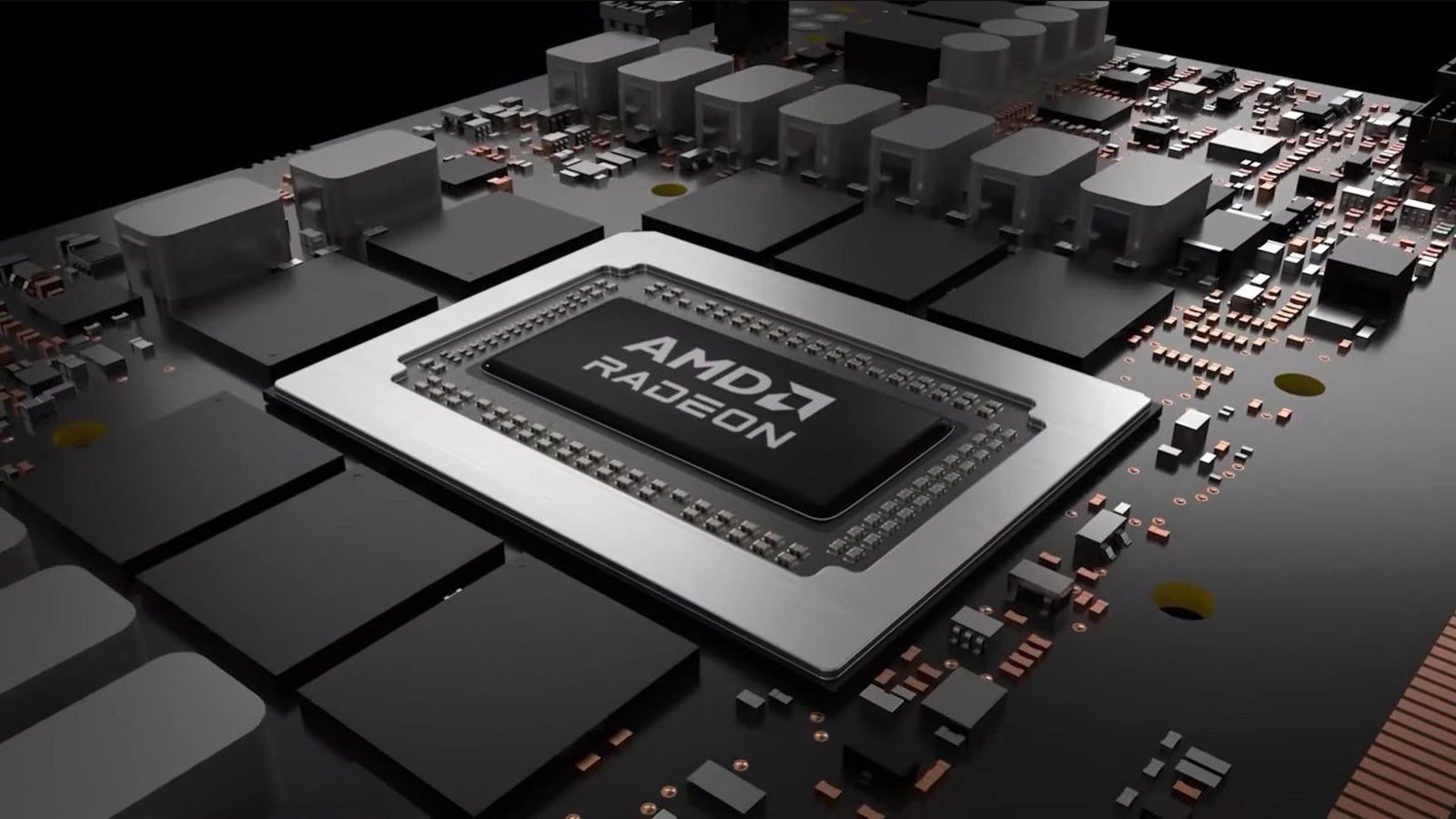
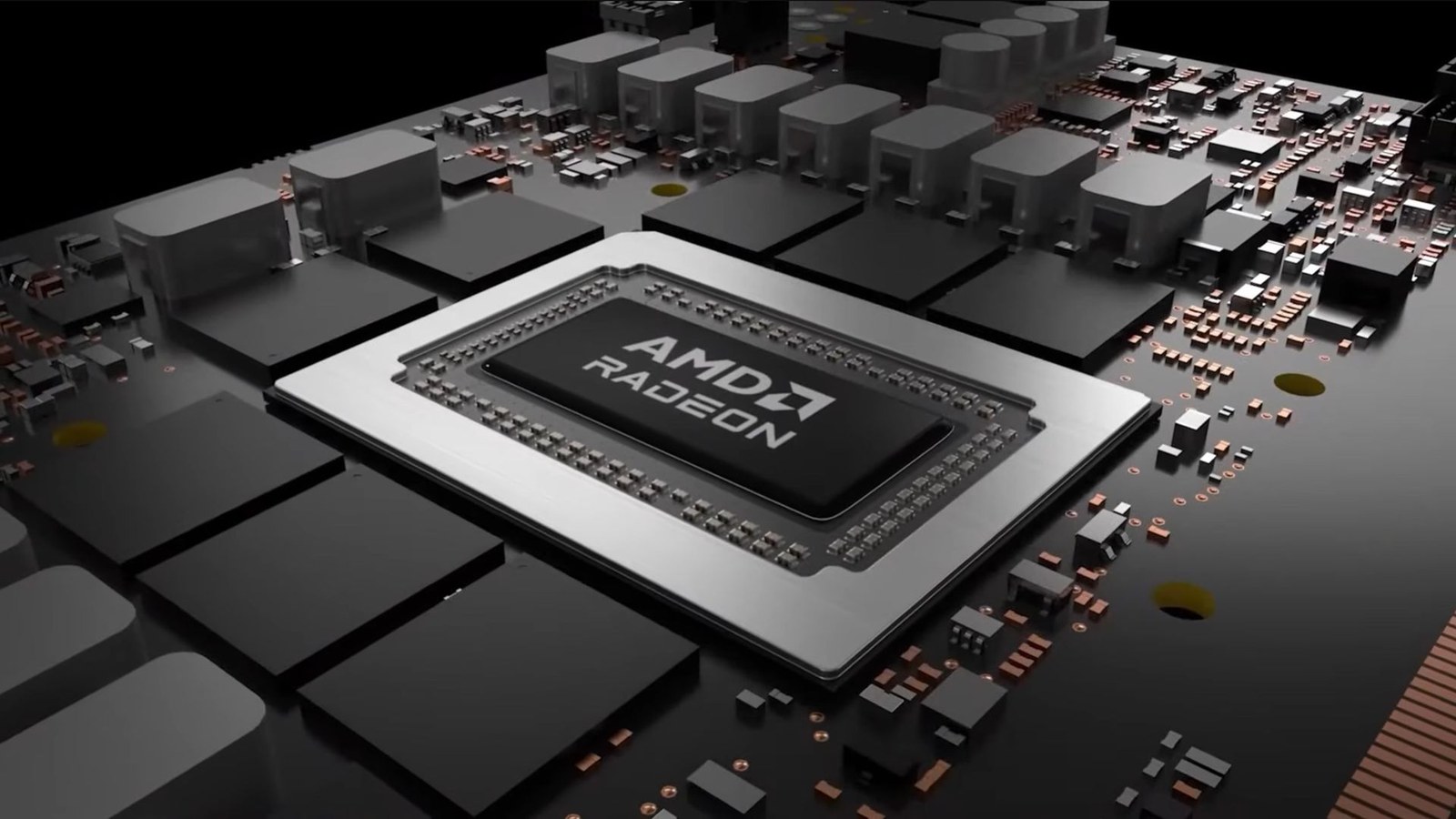
A single line of code in AMD’s latest open-source Linux graphics driver has quietly surfaced the first concrete indication that the company’s next-generation RDNA 5 architecture will support GDDR7 memory. The change, embedded within AMD’s most recent AMDGPU driver patches filed for Linux, adds the identifier “GDDR7” to the codebase — a modest update that nonetheless signals a meaningful shift in the roadmap for upcoming Radeon silicon. The move aligns with broader industry momentum, as Nvidia has already adopted GDDR7 across its RTX 50-series, and it raises fresh expectations about the timing and performance of AMD’s upcoming high-end GPUs.
While the addition is far from a formal product announcement, it carries weight in the context of AMD’s current hardware lineup. The existing Radeon 9000 series relies on GDDR6 memory, and this driver-level reference to GDDR7 suggests the next generation will step up to the faster, higher-bandwidth standard. For consumers and system builders, GDDR7 promises improved memory throughput, which is critical for pushing next-gen titles at higher resolutions and frame rates. The timing of such a transition also carries implications for the wider PC and console markets, particularly as next-generation consoles are expected to adopt a semi-custom variant of the same Radeon architecture.
A Small Change With Big Implications
The significance of the patch lies not in its size but in what it reveals about AMD’s internal planning. Driver developers noted that the AMDGPU update specifically introduces the “GDDR7” identifier, a subtle but deliberate signal that the memory standard is being prepared for future hardware. This is consistent with AMD’s broader pattern of teasing upcoming features through its open-source driver code, which often precedes official product reveals by months.
The timing of the driver filing also coincides with AMD’s continued support for an unreleased RDNA 5 architecture, which was first referenced in the codebase back in July. The combination of GDDR7 support and RDNA 5 references in the same patch cycle strengthens the case that these two developments are part of a coordinated roadmap rather than isolated updates.
“The driver changes are a clear indicator that AMD is preparing for GDDR7 memory in its next-generation GPUs, and this aligns with the broader industry shift toward faster, higher-bandwidth memory standards.”
AMDGPU Driver Community
The community reaction to the discovery has been largely positive, with enthusiasts viewing the patch as confirmation of AMD’s commitment to keeping pace with Nvidia’s memory upgrades. Technical analysts point out that GDDR7 adoption is particularly important for AMD’s efforts to compete in the high-end market, where memory bandwidth has become a key differentiator for performance.
Timeline and Market Context
Estimates for the RDNA 5 launch remain speculative, with most analysts placing the debut around the end of 2027 or potentially pushing into 2028. The expectation is that only a couple of cards will launch initially, with a wider lineup to follow in the months that ensue. This timeline also aligns with the anticipated release of next-generation consoles, which are expected to be built on a semi-custom version of the same Radeon architecture.
AMD CEO Lisa Su addressed the company’s silicon roadmap in February, offering insights into the development of the next-generation SoC. However, the timeline remains subject to external pressures, particularly the ongoing memory crisis that has affected supply chains across the industry. While some reports suggest the crisis may be less severe than widely feared, the uncertainty adds a layer of risk to AMD’s plans for GDDR7 adoption.
Looking Ahead
As AMD continues to refine its driver code, the GDDR7 identifier is expected to appear in more contexts, potentially providing further clarity on the company’s roadmap. For now, the patch serves as an early signal of the direction AMD is heading, and it reinforces the anticipation surrounding the RDNA 5 generation.
Until AMD issues an official statement, the details remain speculative, but the driver-level evidence is a compelling indicator of what lies ahead. For those watching the next-generation GPU landscape, this small change in a pile of code may well be one of the most significant hints of the year.



No comments