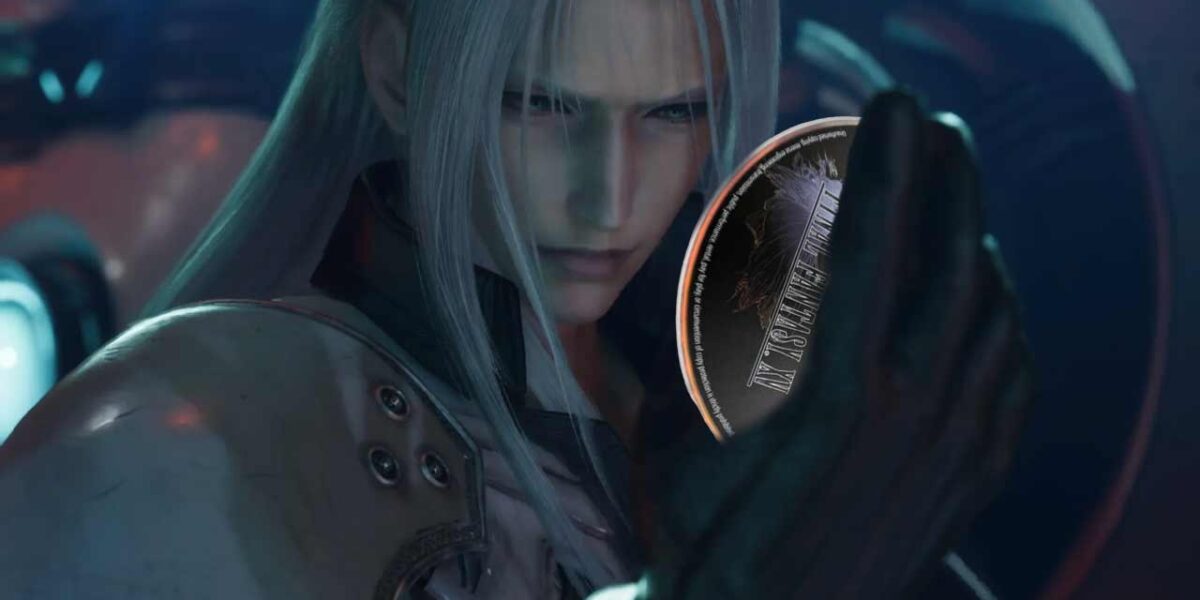
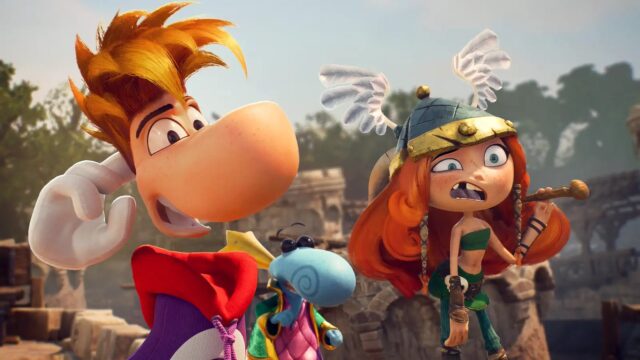
Microsoft’s ambitious disc-to-digital program, designed to let players convert physical game copies into digital licenses, is running into a significant snag that threatens to undermine its core promise of game preservation. Despite the initiative’s potential to protect physical media in an increasingly digital industry, four of the gaming world’s biggest publishers — Sega, Square Enix, Ubisoft and Bandai Namco — reportedly refuse to participate, leaving owners of their physical copies unable to redeem them digitally. Xbox users are currently seeing a blunt “not participating in digital licensing” message when attempting to insert discs from these publishers, and the exclusion of titles as prominent as Far Cry 4, Final Fantasy 15 and Dark Souls 3 suggests the service’s reach remains far from universal.
The service was built on the premise that holding a physical disc should not lock a player out of the digital ecosystem, offering a lifeline for collectors and preservationists alike. Yet the reality on the ground is more complicated, with a growing catalogue of incompatible games emerging from the very studios whose franchises define much of the modern market. A dedicated fan effort to catalogue every title that does work with the program has begun mapping the gaps, revealing which games from these publishers remain locked out and highlighting the scale of the problem.
A Message That Says “Not Participating”
For anyone hoping to lean on the program as a safeguard for their physical library, the current experience is discouraging. Inserting a disc from one of the four holdout publishers triggers a message that leaves little room for interpretation, and the sheer volume of affected titles points to a systemic issue rather than an isolated glitch. While Microsoft has indicated that the rollout will proceed gradually and the situation could theoretically be corrected if the publishers eventually decide to join the initiative, the wording of the message and the breadth of the exclusions make that outcome feel unlikely in the near term.
The exclusion of these publishers isn’t just a technical hiccup — it’s a signal that the industry’s biggest players still see physical-to-digital conversion as a threat to their business model rather than a service worth supporting.
Industry analyst
Beneath the surface, the economics of the situation appear to be the driving force. Publishers stand to lose revenue when players trade in or resell physical copies, since those transactions bypass their storefronts entirely. Buying a used disc from a secondhand shop or a private seller means the original company sees not a single cent of the sale. For studios like Ubisoft and Bandai Namco, whose back catalogues are enormous, the incentive to keep players purchasing new digital copies on their own platforms is a powerful one, and it explains much of the resistance to the program.
Switch 2 Upgrades Add to the Frustration
The broader pattern of publisher reluctance extends well beyond disc-to-digital, with Square Enix drawing particular criticism over its handling of upcoming hardware. Several of the studio’s acclaimed HD-2D RPGs reportedly have no upgrade path to the Switch 2, meaning owners who bought titles like Octopath Traveler on the original Switch will have to purchase the game again when a Switch 2 version launches. Worse still, there is no option to transfer existing save data, forcing players to start over and pay full price for a sequel to their own library.
This lack of forward compatibility compounds the concerns surrounding game preservation, especially when these four publishers collectively represent a substantial share of the gaming market across both blockbuster franchises and smaller releases. Microsoft has positioned its approach as a more player-friendly route through the industry’s digital transition, aiming to make the shift easier than Sony’s strategy of fully committing to abandoning physical media altogether. But the willingness of individual companies to cooperate remains the decisive factor, and so far the response has been mixed.
Looking Ahead
For now, the disc-to-digital program stands as a promising concept with a rocky practical foundation. Its ultimate success will depend on whether the holdout publishers choose to engage with the service and whether Microsoft can convince them that participation serves their interests. Until then, owners of physical copies from Sega, Square Enix, Ubisoft and Bandai Namco should treat the program as a work in progress rather than a guaranteed safety net. As the industry continues its march toward a fully digital future, the cooperation of these major studios will be just as important as the technology itself in determining who ultimately gets to keep their games.




Comments
Be the first to comment.