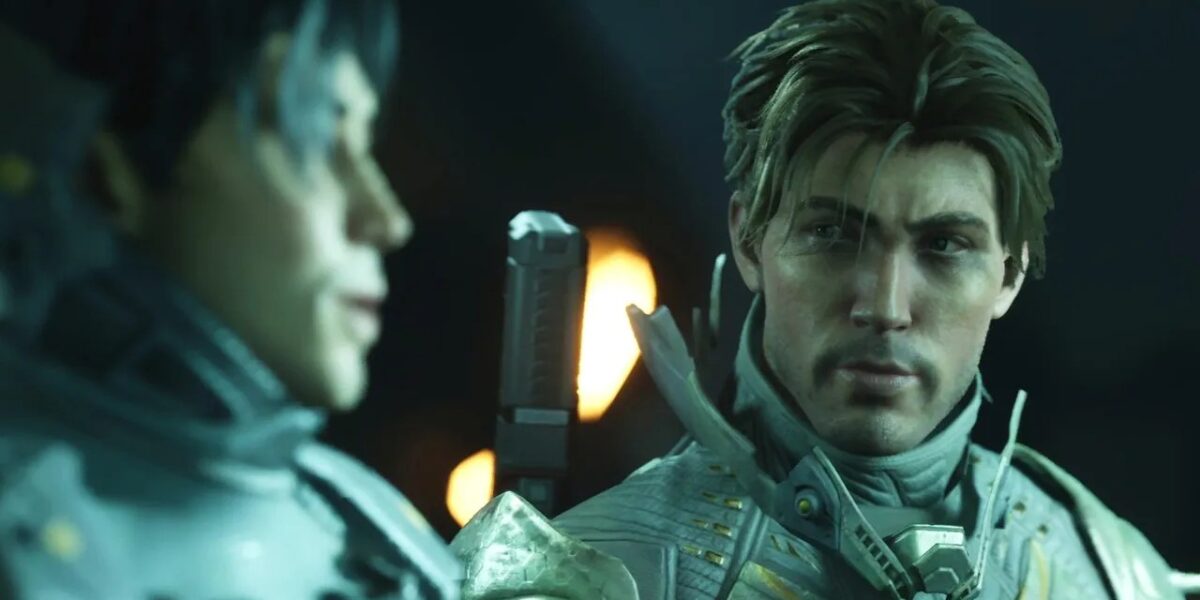
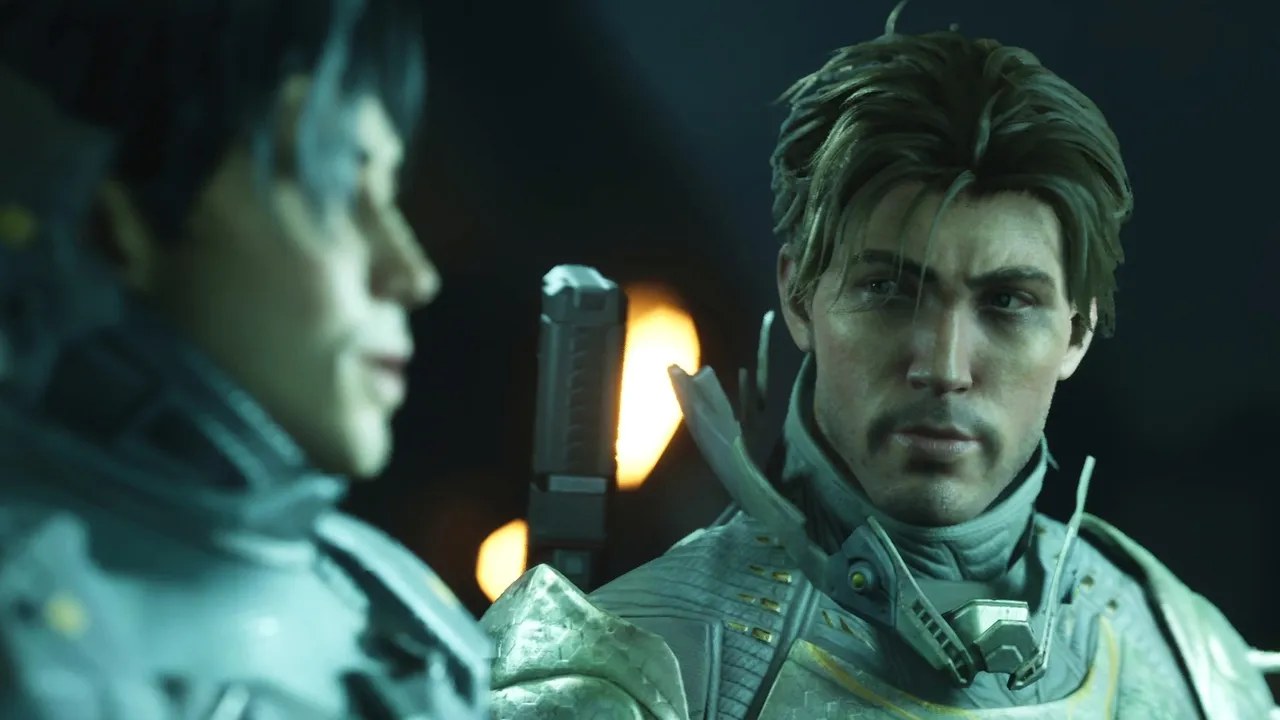
Your first impression of Exodus was probably, “Oh, this looks like Mass Effect.” And narrative director Drew Karpyshyn, who was a narrative lead on BioWare’s legendary space opera RPG series, told me, “It’s a perfectly fine way to wrap your head around it.” He’d love for Exodus to be regarded in the same way, and it’s easy to see why. Exodus has all the pieces you’d want from a spiritual successor sci-fi RPG: tough decisions to make about the fate of humanity in space, punchy action combat, and the tangled web of character relationships you influence.
Choice and Consequence
After playing Exodus myself, I talked with Karpyshyn about building out a new universe with developer Archetype Entertainment and many of the philosophies driving its RPG elements. How does the morality system work? How do you romance the characters you adore? And why should players care about the choices they make and how are they reflected in a story that needs to feel impactful?
Parts of our discussion reference the demo I played, so be sure to read my Exodus hands-on preview for additional context about the story and gameplay elements we touch on, or you can watch the video version below.
IGN: The thing that jumps out to me and I’m most curious about is how you’re handling choice and consequence. In the demo, I saw the Paladin-Immortal alignment system, kind of reflective of the Paragon-Renegade in Mass Effect. I want to dig more into the morality system, how it works and how you’re thinking of choice and consequence in the context of that.
Drew Karpyshyn:
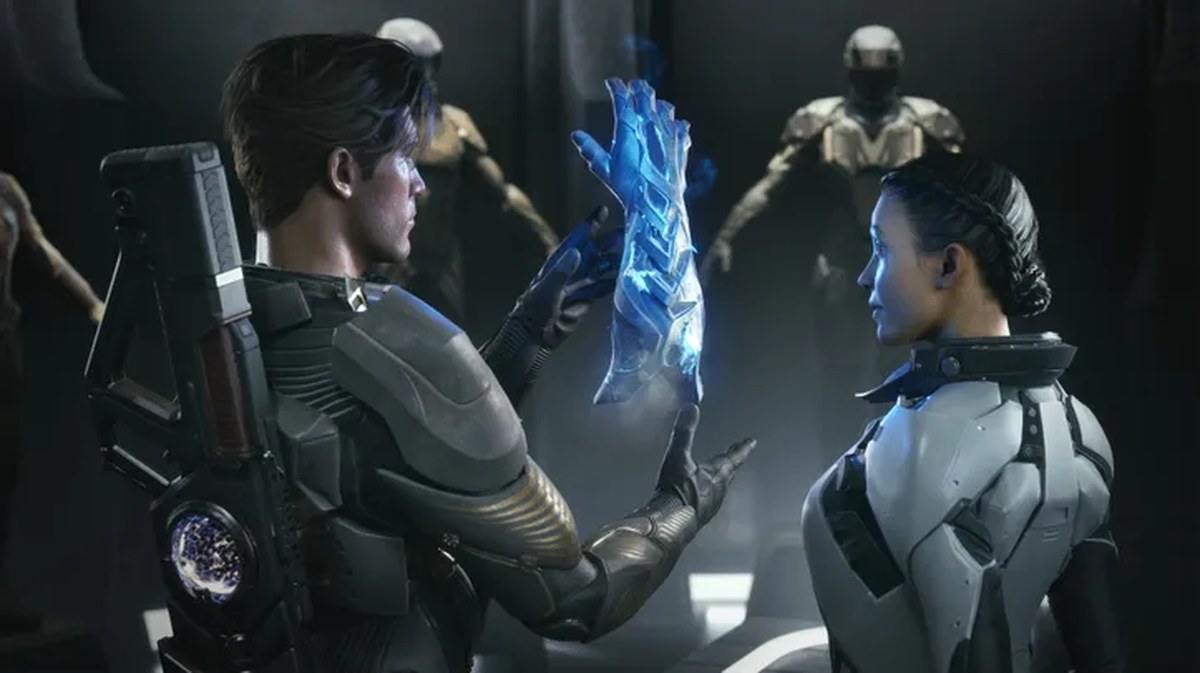
“Those are all related, for sure, but I’ll start with choice and consequence. Obviously, we think choice is very important in our RPG and we want it to matter. So, we want it to have an impact on the story; how decisions you make impact the direction the story goes. We want it to impact your companions, your relationships and how they feel about you, and the romances. And we want it to affect things in gameplay and have choices matter there.
We look at it as if there are three levels of choices. There’s the small moment-to-moment choices, like what do I say in a particular dialogue; maybe it’s something small that has characters saying something different, and you can get little funny moments. We have more mid-level choices, which are things like building affinity with a companion, maybe going down one of the morality paths, maybe doing something with a character who’s going to show up later. And then we have our sort of “gold-level” choices, which are like these big consequential moments in the story.
You got a glimpse of one of them at the end of the Khonsu mission [from the preview demo]. There was what we call the breakpoint. There’s a decision you make at the end about what to do with the Kay’s beacons. You have a couple of options, whether you side with Suliman [or leave the beacons alone]. And breakpoints are where Jun has these predictive abilities. Not so much prophetic, more like if you’ve read The Foundation [book series by Isaac Asimov] with hyper-accurate prediction models. This gives you insight on what direction decisions will go and what the potential consequences are. What you saw in the demo is pretty early in Jun’s development, so as you get further in the game, you can develop those abilities and get more information about what the long-term consequences of those choices will be. So, we want to have those choices affect the world you’re in, the future of your society, your companions, your friends, your choices in gameplay, and so on. To us, choice is incredibly important and that’s sort of our overall philosophy.”
IGN: I’ve talked to folks like Leonard Boyarsky and Todd Howard about how they incorporate choice and consequence in their games and how they think of friction. When you make a choice and it locks you out of certain things or it might make something harder, you’re making huge games and want players to see everything, but at a certain point when you have a game like this, there are paths you have to take that give players a sense of meaningful agency. Are those things you consider, and how do you approach that?
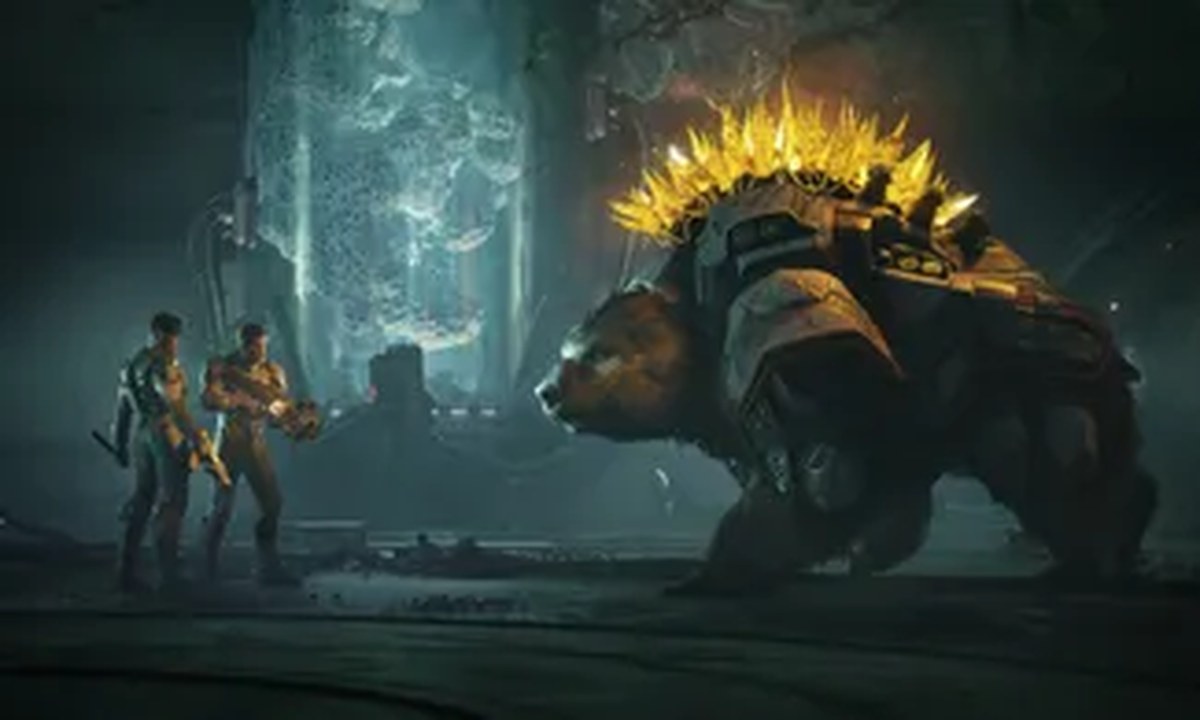
Karpyshyn: “The key to choices is consequences, and consequences have to have a cost. So, one of those costs is when you go down certain paths, you close off other paths. There’s going to be content in the game you will not see on one playthrough. That’s the way it is with the way the game is designed. We have a lot of optional content as well, but even within that optional content, there are choices that will lock or unlock certain things, change the way things play out, change relationships, change characters, change… future… missions…
“I gotta be careful, I can’t say too much, I don’t want to spoil too much! I mean, that’s a huge part of this game. We want to put pressure on the player. We want them to be a little bit conflicted. We want them to think, ‘Oh, I know I’m giving something up when I make this choice, but I’m also gaining something.’ So again,, I think that’s a huge part of choice in games, is that you have to have some cost and consequence.”
IGN: How do you approach character relationships? You alluded to relationship dynamics between party members and I’m assuming other key characters. I want to dig into that a little bit more with how they work in Exodus and how you’ve thought about structuring them.
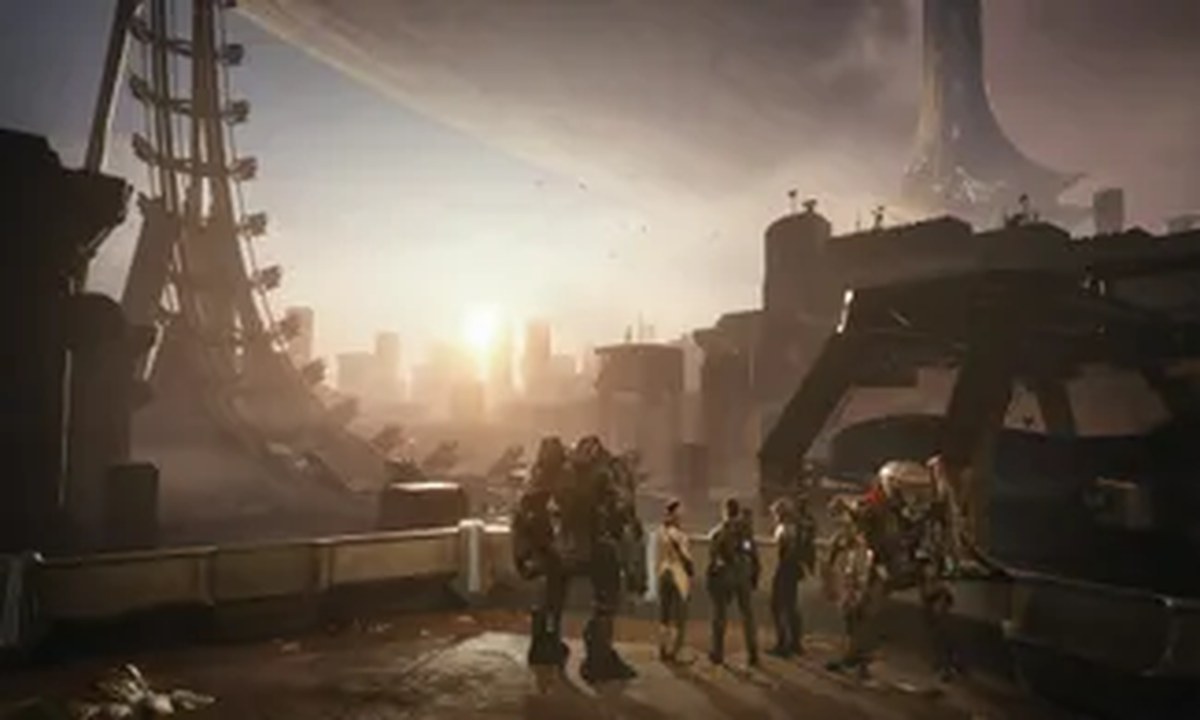
Karpyshyn: “You’ll have a number of allies with you. Some of them are combat companions that come with you on missions, you can select them as party members. Others are very important characters who don’s come with you on missions, but serve other roles within the game. And each of those companions has their own hopes, dreams, desires, wants, goals, needs. They’re not always on the same page as you and often in conflict with you, but they’re often in conflict with each other as well. So, you have to sort of navigate who you want to make happy and who you’ll have to disappoint.
“This ties in with romances as well. Again, we want to put you in positions where you can’t make everybody happy. You’re going to have to choose. Who do you side with, knowing that you will gain or lose affinity with one of these companions? It will change their relationship. You could be in a position where you really like a particular companion, but in a specific situation, you really disagree with what they want. So, as a player, which do you value more? Do you value the outcome of this decision or do you value the relationship with this companion? And you have to juggle it. That’s a decision you make as a player.
“A huge part of that is making companions feel real, making their relationship with you grow, allowing it to sort of evolve from the choices you’ve made and realizing that the choices you make are going to bring some companions closer to you, but maybe push some companions farther away. And again, without spoiling too much, we definitely want it to impact how their storylines go. And depending on choices you make, by the end of the game, you might not have every companion with you that you started with. That’s about all I can say!”
IGN: Something that’s always brewing in conversations is how games portray romance. You want them to feel organic, whereas some might see them as more like a mechanical aspect of a game. Between having something that feels natural and human-like or something that focuses on feeding into gameplay systems, how are you thinking about romance in particular when it comes to Exodus?
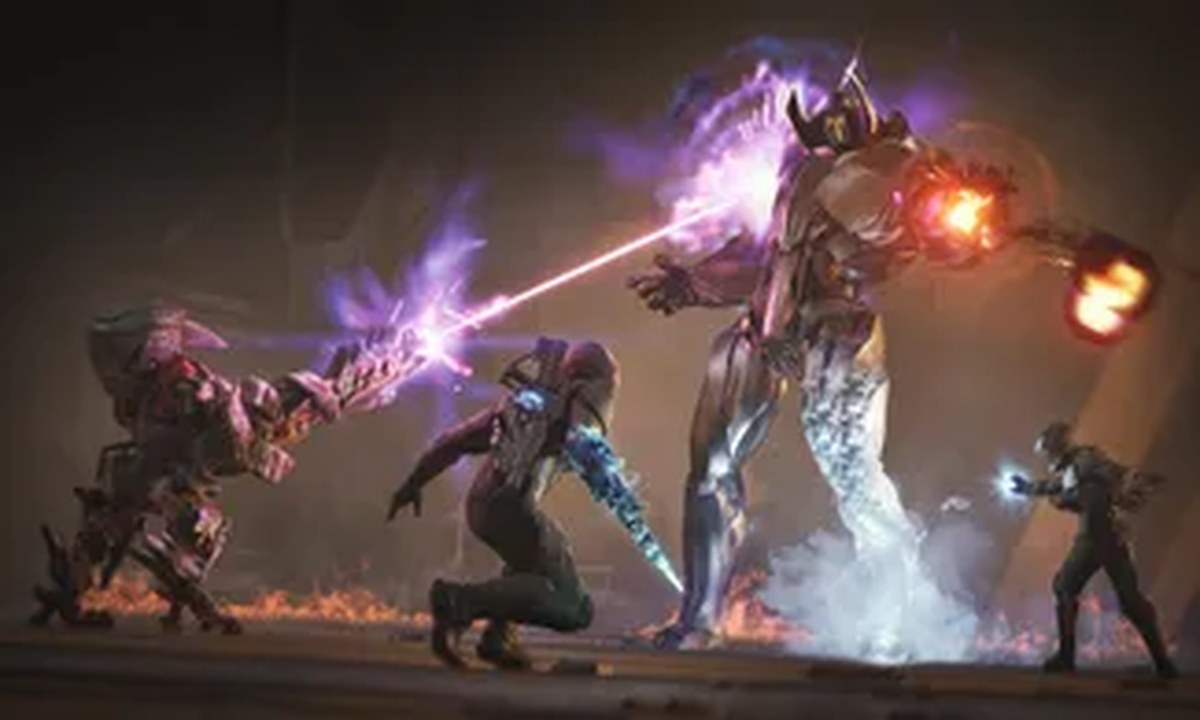
Karpyshyn: “Of course, it’s a spectrum. But for us, we’re leaning more toward the romances being a sort of role-playing relationship thing as opposed to being tied directly to gameplay. First of all, the player drives the romances and they are not gender-locked. But there’s no situation where a character is going to romance you if you didn’t take the initiative. We want to put you in situations where you can potentially try to romance more than one character. Sometimes it’ll go well, sometimes it won’t depending on the character and depending on the choices you make. Like real life, it’s complicated, right? We want it to be complicated. We want players to get in situations where they’re struggling to get what they want out of a relationship.
“Now with that companion, as I said, these things can affect what happens to them later in the game. But it’s not something where we’re tying it directly into gameplay, like romance giving you a boost to your skills or something like that. There are systems for that, but we keep them separate from each other.”
IGN: You have a game where you make choices and they have these grand statements about humanity. What do you want the player to come out of Exodus with in terms of messages or just things that they are going to stew on when they finish this game?
Karpyshyn: “One of the things we’re thinking a lot about is underlying themes. We have many themes in Exodus and a big one for us is evolution, growth, and change. The Celestials evolved from humans, they became something very, very different. The awakened evolved from normal animals on Earth. How do those changes in growth and evolution differ?
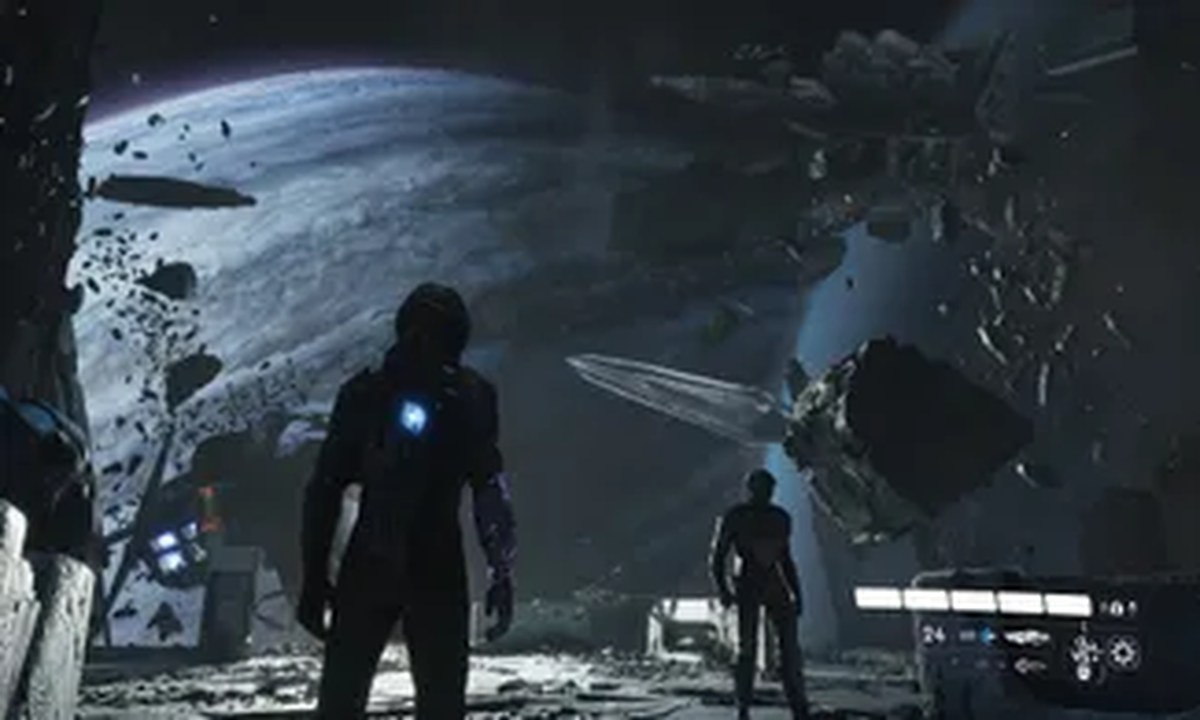
“Another key theme we like to explore is sacrifice. The travelers have to make these immense sacrifices. When you go on these missions to save your world, by the time you come back, the world may have moved on. Things may be very different. The thing you are actually trying to save might not even exist anymore. Knowing you’ll be gone for years or decades and leaving behind the people you love, the people you care about, leaving your home behind, it’s a huge cost and a huge sacrifice. And that’s something that we really want to explore. What sacrifices are you willing to make? What price are you willing to pay to get what you want? And then what happens when it doesn’t quite work out the way you want? How do you feel about that sacrifice? And even when you’re making it, knowing that it might not even work the way you want.
“I’d say those for me are the two big themes we like to explore, and we just want players to get the sense when they play the game that we’ve given them a chance to explore these themes in a way they really enjoy. Maybe we’ve made them think about these things a little bit differently, put them into situations where they’ve really had to struggle with this internal conflict and put that burden on them. Sounds bad to put a burden on our players! But we do, we want to put the burden of choice on them and make them struggle.”
IGN: That’s what makes these games compelling and memorable, right? Tough decisions. I really enjoy that part of these kinds of games… like in Mass Effect! I know you’re always getting those comparisons, but I’m interested in how you feel about those comparisons and how has that feeling changed as time has gone on?




Comments
Be the first to comment.