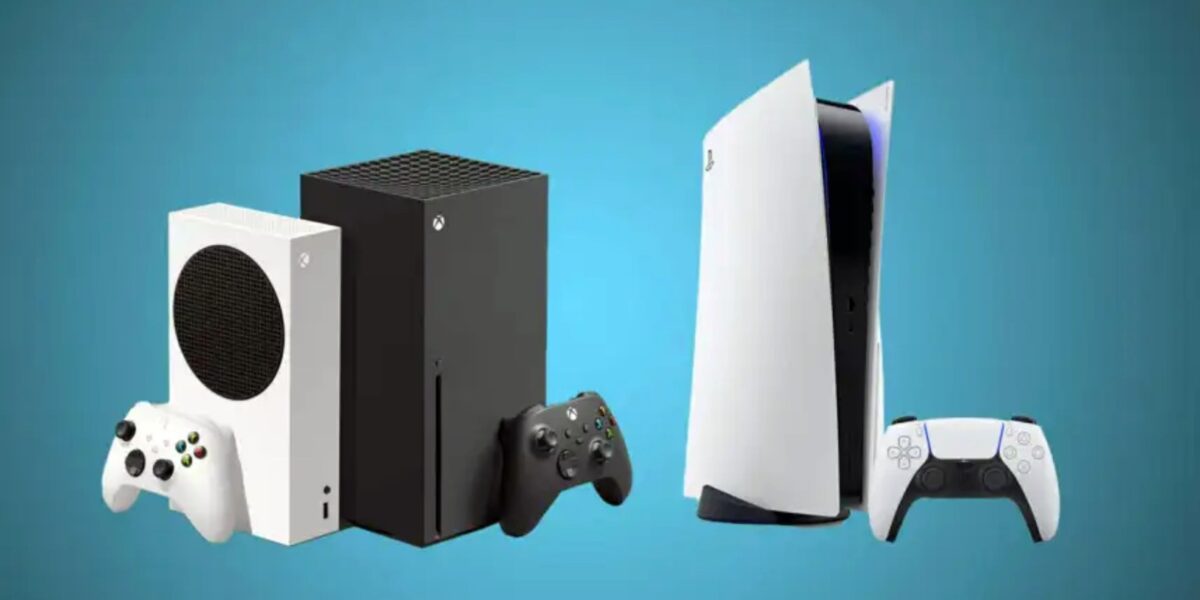
The gaming landscape is always shifting, and the next generation of consoles from Sony and Microsoft are looming on the horizon. While concrete details remain scarce, rumors persist about a potential $1,000 price tag for these upcoming powerhouses. But could this seemingly innocuous number actually trigger a seismic shift in the industry, potentially costing both companies billions? A new report suggests exactly that.
The Price of Progress: Will Gamers Pay Up?
According to an August 17 breakdown”>an analysis from Ampere Analysis, a leading market research firm, launching “conventionally designed, incrementally improved next-generation consoles” at the rumored $1,000 price point would be a risky move. The report suggests that both the PlayStation 6″>PlayStation 6 and Xbox Project Helix”>Xbox Project Helix could see a staggering 38% decrease in sales within the first five years compared to the current generation, the PlayStation 5 and Xbox Series X|S. This significant drop in adoption would ultimately translate to a loss of $3.4 billion for the console gaming market by 2031.
The current market is already feeling the pressure of rising costs. As the Nintendo Switch 2, PlayStation 5, and Xbox Series X|S have all seen multiple price increases”>the Nintendo Switch 2, PlayStation 5, and Xbox Series X|S have all experienced price hikes in recent months due to the ongoing chip shortage”>the persistent global chip shortage, a $1,000 console isn’t entirely out of the question. And let’s not forget that systems like The Steam Machine is over $1,000 already”>the original Steam Machine already pushed well above that price point.
Navigating the Future: Three Paths Forward
Ampere Analysis proposes three potential strategies for Microsoft and Sony to avoid the pitfalls of a $1,000 console:
- Extend the Current Generation: Maintain the current console designs with “incrementally improved next-generation consoles” but delay their launch beyond 2028. This would allow both companies to carefully monitor the evolving chip market and potentially mitigate rising costs.
- Embrace Innovation, Not Just Power: Stick to the 2028 release window, but offset higher hardware costs through “heavier hardware subsidies, new monetization models, more aggressive digital content strategies, and optimized sales channels.” This approach would require a fundamental shift in how consoles are priced and marketed.
- Rethink the Form Factor: Instead of focusing solely on graphical improvements, prioritize “substantially innovating on hardware form factor and use cases” to differentiate the next generation while keeping prices competitive. Think back to the Nintendo Wii’s innovative motion controls – a gamble that paid off handsomely.
Ultimately, Ampere Analysis is urging both Microsoft and Sony to carefully consider the potential consequences of pricing their next-generation consoles at such a high price point. The future of console gaming may be a much tougher sell”>console gaming could very well depend on it.
levi winslow (he / they) is a news writer based in queens, new york.






Comments
Be the first to comment.