Zack Snyder Reveals Former Warner Bros. Executive Regrets Fighting His DC Universe Vision
Zack Snyder has revealed that a former Warner Bros. executive is now expressing regret over the studio's years-long battle with his vision for the DC...
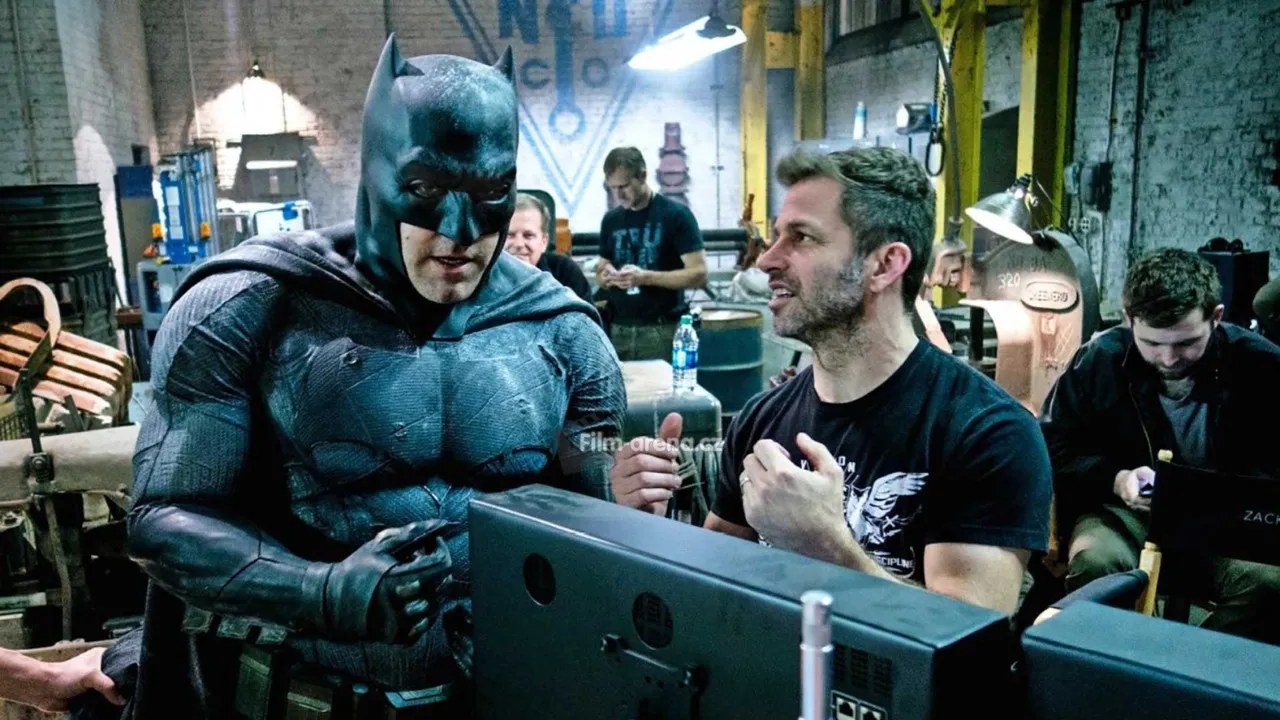
Zack Snyder has revealed that a former Warner Bros. executive is now expressing regret over the studio’s years-long battle with his vision for the DC universe, according to a new interview with Variety. The director of Man of Steel and Batman v Superman described the implosion of his planned DC cinematic saga as “a low point,” while disclosing that an unnamed former executive admitted he was “right about everything” in their creative disagreements.
The revelations come during a candid conversation in which Snyder reflected on how Warner Bros. abandoned his carefully constructed mythos after negative audience reactions, ultimately compromising the director’s original plans for characters like Superman and Batman. The studio reportedly attempted to seize control of its valuable intellectual property from what it perceived as an unreliable creative force.
The Executive’s Confession
Snyder described meeting with a former Warner Bros. executive who has since left the company, though he declined to name the individual. According to Snyder, this person offered a candid admission about their past conflict over his DC projects.
“I met with this executive at Warner Bros. who’s long gone since — I won’t say who it was — and he said to me, ‘You know, Zack, I’ve got to tell you one thing: You were right about everything.’ And I was like, ‘That’s kind of you.’ And he goes, ‘We were fighting you, and in the end you were right.'”
Zack Snyder
The director explained that the executive acknowledged an attempt to control his creative direction during what he described as a specific regime within the studio. “They did this attempt to control it — and I’m just talking about the regime that was there that’s no longer there,” Snyder said, signaling that leadership changes at Warner Bros. had shifted the company’s approach.
Snyder also offered understanding for why the executive behaved as they did, recognizing the pressures of protecting a valuable asset while their careers depended on its success. “They had this massive IP that’s worth a ton, and I can understand wanting to protect it as best they could since all their jobs depended on it working,” he said.
The Studio’s Fear of an Unpredictable Director
Snyder revealed the underlying fear that drove Warner Bros.’s decision-making during his tenure. He described how executives came to view him through a lens of distrust, ultimately prompting their attempt to reclaim control of the franchise from him.
“…they’d put it in the hands of a madman — or so they thought — so the part of them thinking that, and this is going to sound horrible, ‘This thing that happened to Zack is a window for us to take the movie back now.'”
Zack Snyder
The director’s DC films were known for their darker, more grounded approach that broke established rules of iconic characters. Man of Steel concluded with Superman snapping General Zod’s neck, while Batman v Superman featured Batman killing and branding individuals. Future plans reportedly included transforming Superman into a violent ruler of Earth.
Audience Backlash and Studio Compromise
Warner Bros. spent years battling with Snyder over his DC universe as the director pursued darker stories that challenged conventional character portrayals. Once fans started to respond negatively, the studio began pushing back and compromising Snyder’s vision, marking a turning point in their relationship.
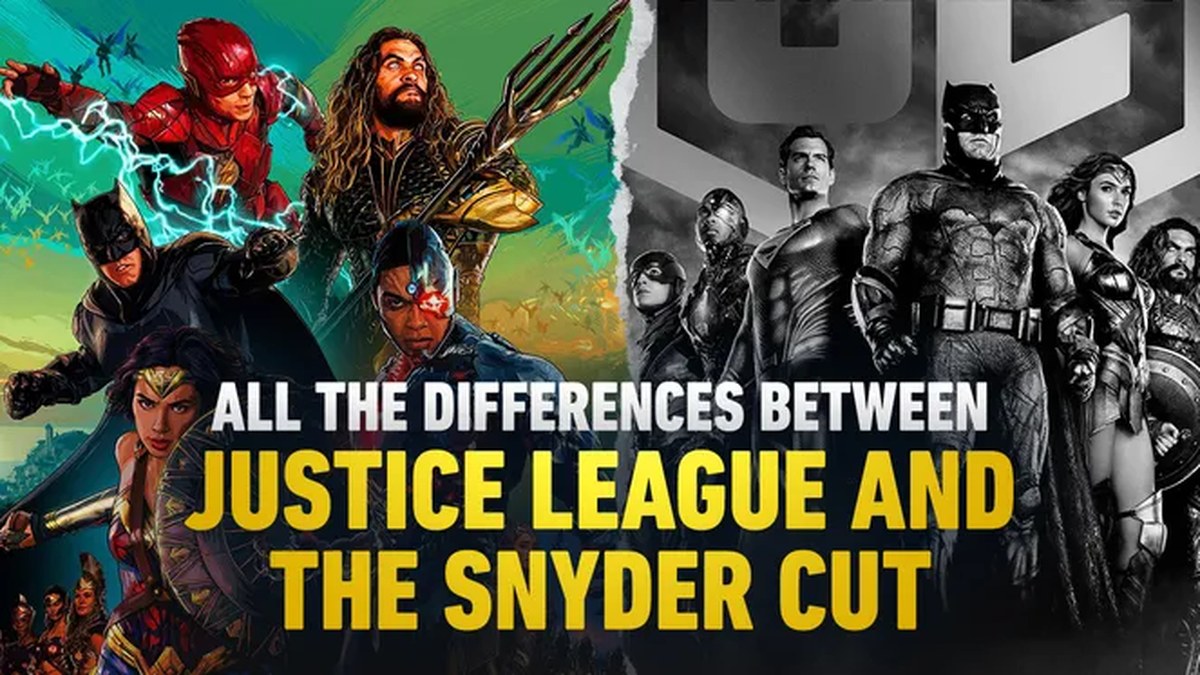
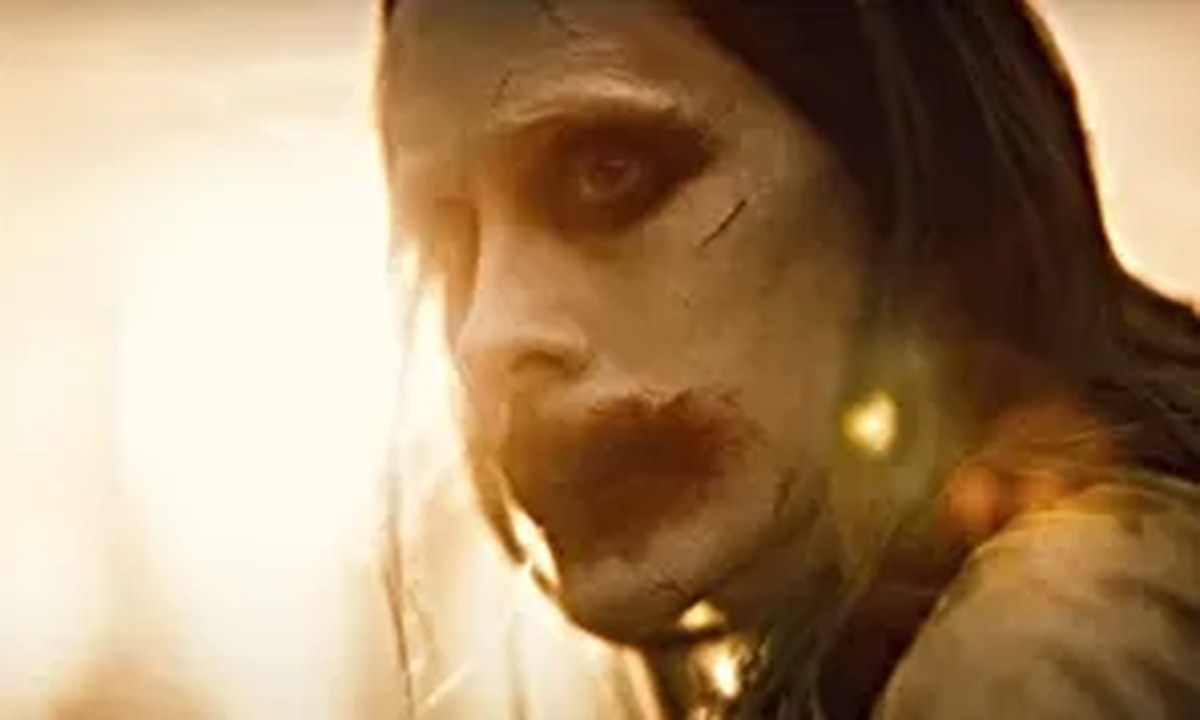
Snyder also disclosed that he has never watched the theatrical cut of Justice League, which was a heavily altered version combining his original footage with extensive rework by Joss Whedon. Whedon was brought in to lighten the film’s tone, trim its runtime below two hours, and remove significant elements such as Darkseid, who appeared to be seemingly being built up as DC’s Thanos.
A Personal Tragedy and a Low Point
Snyder explained that his wife and fellow producer Deborah Snyder had warned him against watching the theatrical Justice League before its release. She reportedly realized the film would break his heart, knowing it no longer represented his creative vision.
“I’ve never seen it,” said Snyder. “There was a point when the movie was released that was a low point for me because the pile-on effect was so insane. Not only did I lose my daughter, but also they’ve released this version of the movie that I had nothing to do with and my name is on a movie that I didn’t make.”
Zack Snyder
The director shot the entire film but stepped away during post-production following his daughter’s suicide. After years of fan pressure, he was eventually able to complete and release his four-hour vision of Justice League, which most fans consider a much better movie than Whedon’s cut. The theatrical version received critical panning and underperformed at the box office, effectively ending the DC universe as it had been established.
Looking Ahead
The DC franchise was properly rebooted last year with James Gunn’s Superman, followed by 2026’s Supergirl. Snyder noted he hasn’t seen either project, describing his relationship to DC as “too personal” and noting that it remains too soon for him to revisit the material.
“I haven’t seen the movies,” said Snyder. “It’s a little bit too personal for me. Too soon, I guess you could say. I do like James [Gunn]. And I do have an appreciation for his [vision].”
Zack Snyder
Snyder has moved on from superheroes and is preparing for the release of his latest passion project, The Last Photograph. However, the film received mixed reviews when IGN saw the film at TIFF, with a critic describing it as “a languid, plodding revenge saga” that fails to develop its big ideas about image-making.
“Despite trying to frame beauty and brutality side by side, it’s rife with the kind of ugliness it isn’t ready to confront, rooted in dimensionless characters who are too similarly stoic to make for a meaningful or engaging journey,” read the excerpt from the review. As Snyder continues his career beyond DC, these revelations offer new insight into one of cinema’s most dramatic creative disputes.
Copyright in the content and news published on this platform is not reserved, and the material may be shared with attribution. Much of the news is compiled from publicly available domestic and international press sources. Responsibility for the accuracy of claims, data, and material attributed to those sources rests with the source organizations; the platform does not assume responsibility for them. Third-party images, logos, and openly licensed materials remain subject to their original source and license terms.
To submit original news, articles, press releases, or content notices for publication, please contact us:

























Join the conversation