

Zach Cregger’s unconventional take on Capcom’s iconic horror franchise has officially become a box-office phenomenon, delivering the strongest opening weekend ever recorded for any film in the Resident Evil series. The comedy-horror hit grossed $108.3 million (£93m) worldwide during its debut weekend, splitting the haul between $60m in the US market and $48.3m internationally, according to Deadline. The result not only eclipsed Cregger’s acclaimed indie horror Weapons, which took in $70m, but also vaulted the film into second place among horror releases this year, trailing only the viral sensation Backrooms, which banked $118m. In doing so, the film has already surpassed the lifetime totals of nearly every Milla Jovovich–starring entry in the franchise.
The numbers tell a revealing story about the series’ commercial trajectory. The original Resident Evil, starring Jovovich and released in 2002, earned $102.9m over its run, but the franchise’s earnings largely declined in the years that followed. The series only regained momentum with 2016’s Resident Evil: The Final Chapter, which amassed a lifetime total of $312m — with roughly half of that revenue reportedly coming from China. Cregger’s film now stands as a striking departure from that legacy, proving that a fresh, offbeat approach can resonate with audiences far more powerfully than the franchise’s traditional formula.
A Deliberate Rejection of the Franchise Formula
The path to this commercial triumph was anything but conventional. Cregger opted for a decidedly non-heroic approach, declining to cast the series’ most iconic figures — including famed survivor Leon S. Kennedy and the wealthy Redfield family — in starring roles. Instead, he anchored the narrative around an ordinary everyman: Bryan, a medical delivery driver played by Austin Abrams, who finds himself navigating an extraordinarily bad day on the job. This grounded, relatable premise was a calculated gamble that divided opinion in the run-up to release, with skeptics questioning whether a comedy-driven reimagining could satisfy a franchise built on survival-horror gravitas.
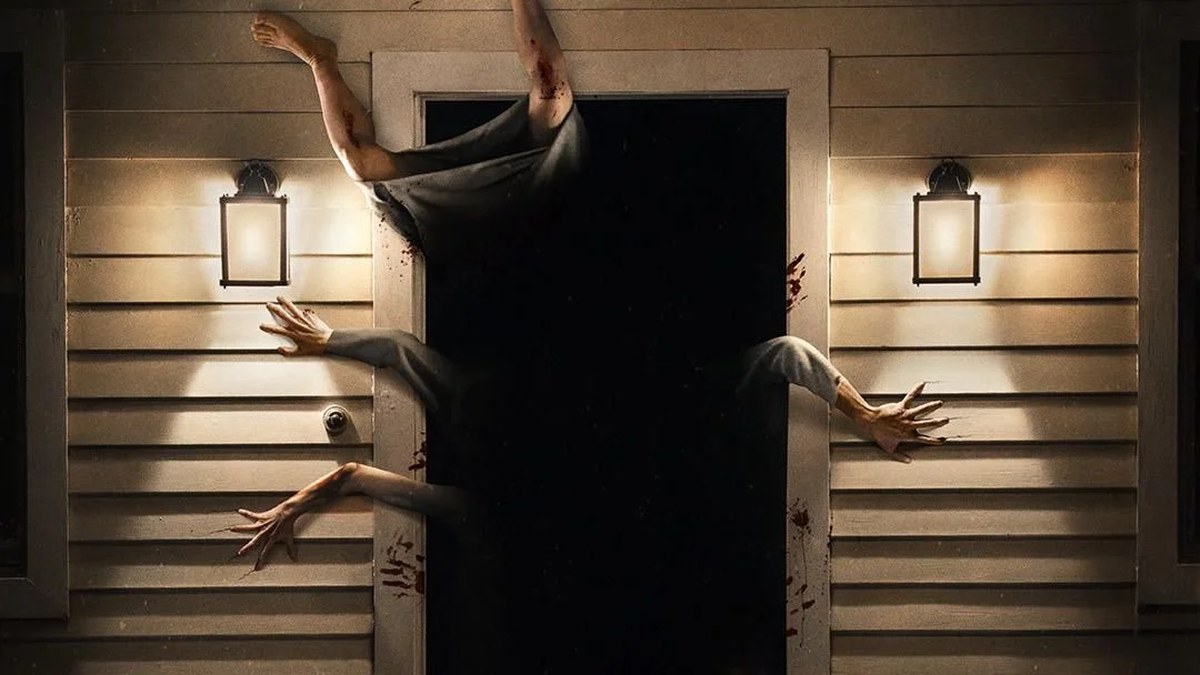
Yet the film’s box-office performance suggests the risk paid off handsomely. The strategy appears to have struck a chord with viewers looking for something different, blending the familiar franchise DNA with a fresh comedic sensibility that has clearly resonated across both domestic and international markets.
I watched Resident Evil at the weekend and really liked it. By using comedy, Cregger has found a new approach, which actually affords the film some surprisingly unsettling and shocking moments. It’s much harder to predict.
Reviewer commentary
That unpredictability is arguably the film’s greatest strength. Alongside the absurd comedy, the movie delivers genuine horror beats, while its more accessible story — as Bryan fumbles with guns, ammo, and nerves — invites audiences to project their own reactions onto the screen. The result is a film that is simultaneously familiar and surprising, a combination that has clearly helped it connect with a broad cross-section of viewers.
Looking Ahead
As the film continues to rack up its box-office returns, Capcom remains focused on expanding the franchise in other directions. The publisher is currently developing a remake of the classic 2007 title Resident Evil: Code: Veronica, which it is billing simply as Resident Evil Veronica. The project is slated for release next year, and its arrival could signal a renewed emphasis on the series’ roots — offering fans a chance to revisit the franchise’s darker, more traditional territory after Cregger’s comedic detour.
For now, though, the message from the numbers is clear: when a beloved franchise dares to reinvent itself, the audience may well reward the boldness. Cregger’s Resident Evil has not only rewritten the series’ box-office history, it has quietly redefined what the brand can be.



1 comment
[…] Article: Zach Cregger’s Quirky Resident Evil Film Shatters Series Box-Office Record With Best Opening W… Kaynak: IGN […]