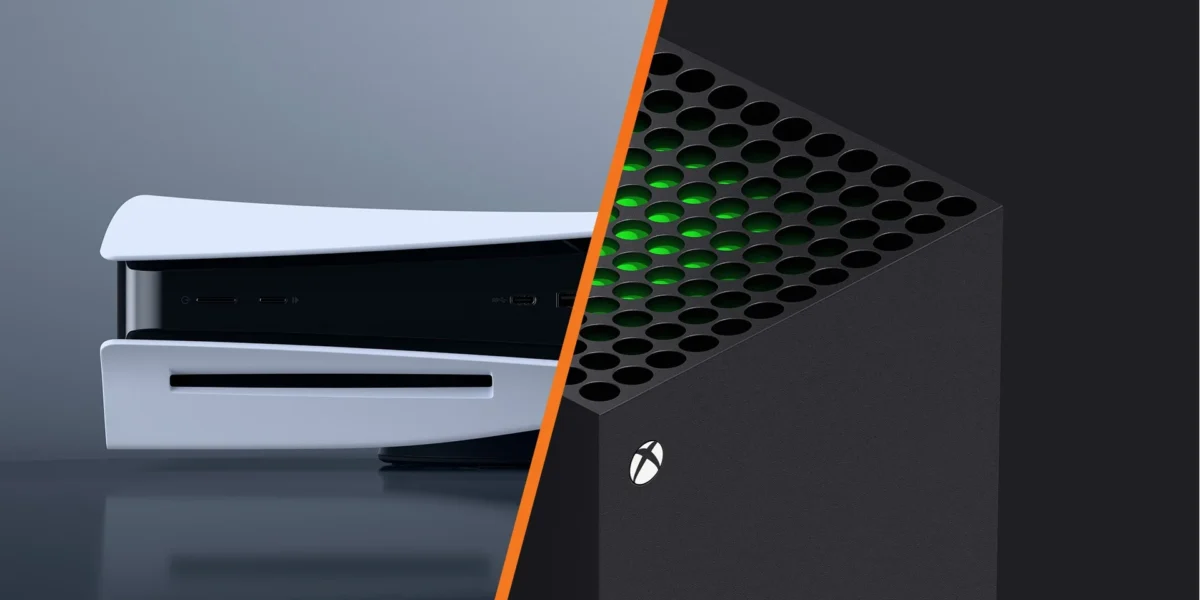
Xbox recorded its steepest May decline in hardware sales ever, while the PlayStation 5 slipped to its lowest May performance since 2000, reflecting consumers’ sensitivity to rising prices.
Xbox attributed the steepening price curve to a “current components crisis” that has tightened supply across the consumer electronics sector, prompting all three major console makers to lift prices.
Microsoft warned that console storage and memory costs have surged more than 2.5 times, and it anticipates another doubling by the fall of 2027.
Earlier this week, Valve announced that its Steam Machine would retail for over $1,000—a figure that analysts later suggested could set the floor for next‑generation consoles slated for release from 2027 onward.
❓ Frequently Asked Questions (FAQ)
Why did Xbox experience its steepest May decline in hardware sales?
Xbox attributes the steep decline to a "current components crisis" that has tightened supply across the consumer electronics sector, driving up costs for console storage and memory. The resulting price increases have made the console less attractive to price-sensitive consumers, leading to a sharp drop in sales.
What factors contributed to the PlayStation 5 slipping to its lowest May performance since 2000?
The PS5's decline mirrors broader industry trends of rising hardware prices due to supply constraints and higher component costs. As prices climb, consumers become more hesitant to purchase new consoles, causing a drop in sales for the PlayStation 5 as well.
How might the rising prices of next‑generation consoles affect consumer adoption and competition among platforms?
Higher entry barriers from increased hardware costs could slow adoption rates, limiting the number of new users who can afford consoles. This may intensify competition among platforms, as manufacturers vie for a smaller pool of price‑sensitive buyers and look for ways to differentiate through features, exclusive content, or bundled services.
News Source: VGC






Comments
Be the first to comment.