

Microsoft has confirmed a fresh wave of job cuts and studio reorganisation at Xbox, announcing 268 additional layoffs, further studio closures, and a structural shift that places Obsidian Entertainment under Bethesda’s oversight. The moves come as the company’s ongoing restructuring enters its final stretch, with Xbox CEO Asha Sharma and executive vice president Matt Booty outlining a leaner, more consolidated publishing operation. The changes build directly on July’s sweeping round of cuts and signal that the transformation is roughly three-quarters complete, with more than 1,300 employees still potentially facing layoffs before the process concludes.
The latest announcements follow closely on the heels of July’s dramatic restructuring, in which Sharma cut 3,200 jobs across the company. Of those, 1,600 took effect immediately, while a handful of first-party studios — including Double Fine and Compulsion Games — were granted the option to go independent again. Now, with the threat of another 1,600 cuts still lingering over remaining staff, Sharma has swung the axe once more. The newest round will affect 268 employees across Halo Studios, other unspecified first-party studios, and members of Xbox Game Studios’ “management and central functions layer.”
A Reorganised Portfolio and Consolidated Franchises
Alongside the personnel changes, many Xbox studios have undergone significant reorganisation. In a note to employees shared on the Xbox blog, Booty detailed how the internal structure is being reshaped to align teams that already work closely together. Under the new arrangement, Sea of Thieves developer Rare and the Age of Empires/Mythology studio World’s Edge now fall within Activision’s remit. Meanwhile, Playground and Turn 10 will combine efforts to focus on Forza and Fable.
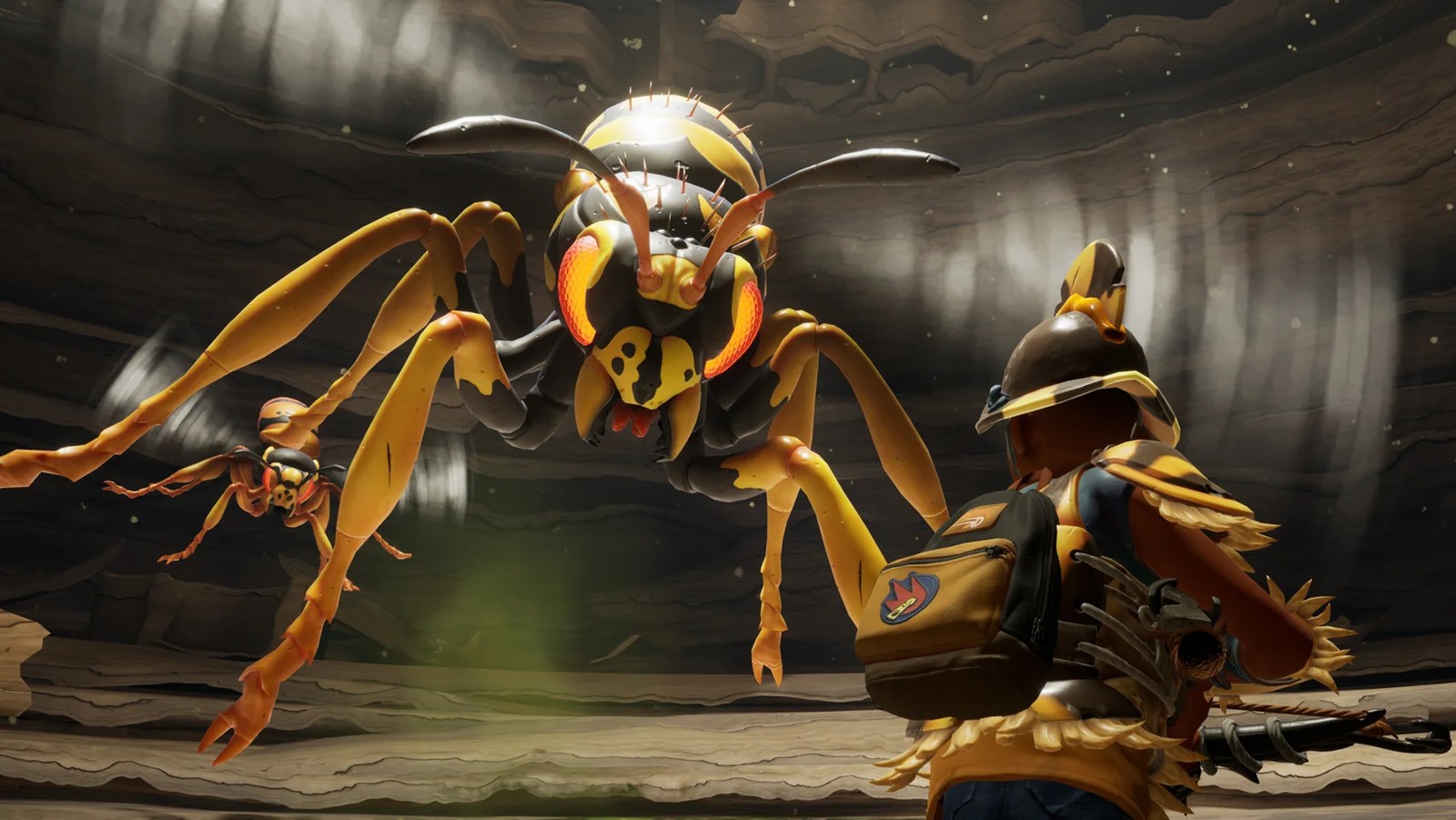
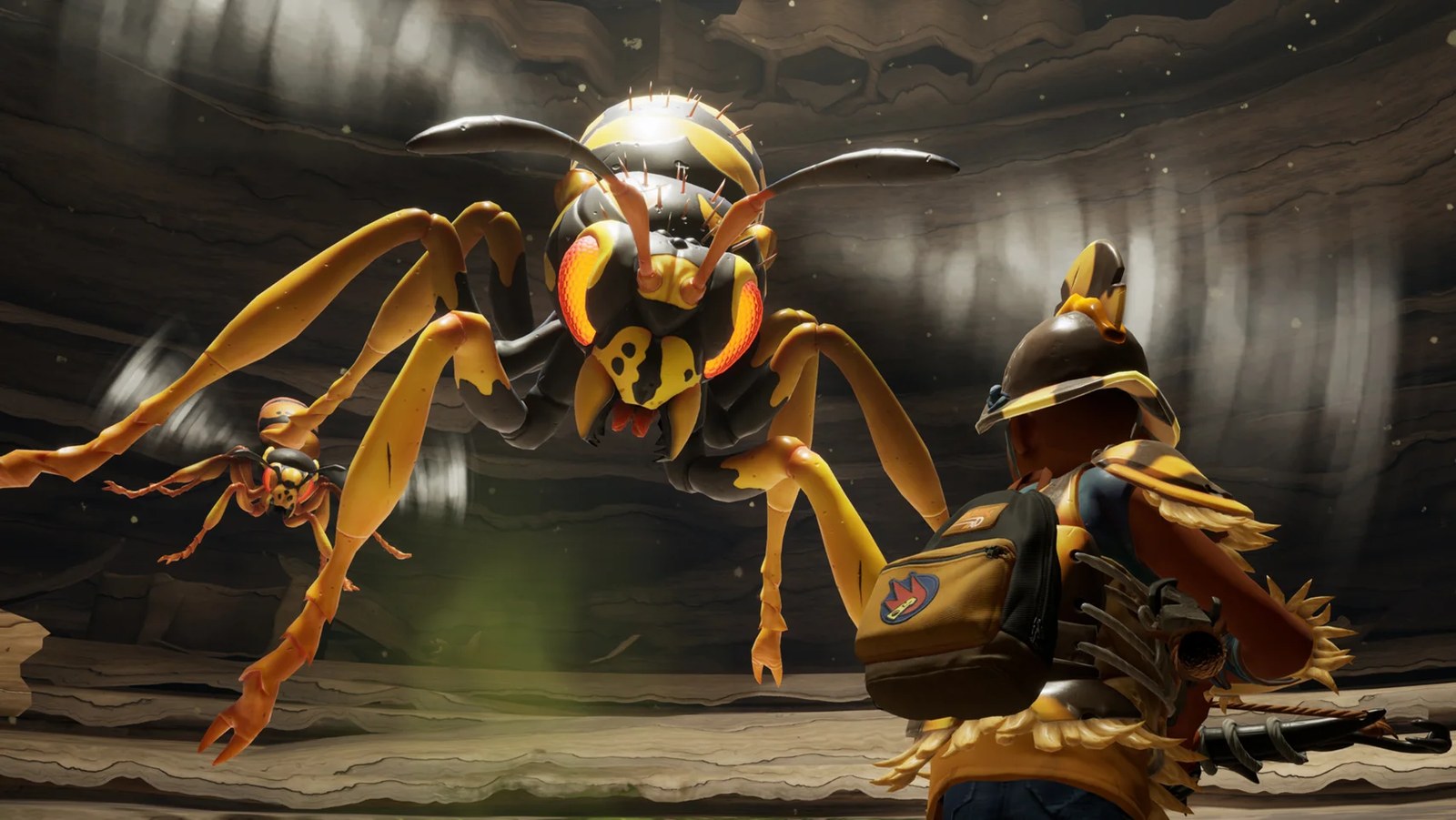
Perhaps the most notable realignment involves Obsidian. Bethesda will now oversee the studio, which continues to work on its current projects including Grounded, and will collaborate with Bethesda Game Studios on a new Fallout project. Separately, Booty revealed that the next Halo game will be developed by Activision, led by a “new, purpose-built team” deliberately kept away from Call of Duty. A “small” remaining team at Halo Studios will instead support “the Halo community and games in-market.”
Booty framed the restructuring as a deliberate strategic move rather than mere cost-cutting. He said the changes were designed to “strengthen our franchises and games by operating fewer business units, aligning groups that already work closely together, and focusing our publishing expertise.”
“We’re strengthening our franchises and games by operating fewer business units, aligning groups that already work closely together, and focusing our publishing expertise.”
Matt Booty, Xbox EVP and Chief Content Officer
Booty also offered an update on two first-party studios whose fates have remained in limbo since July’s job cuts — and the news is grim. Hellblade developer Ninja Theory is now facing “proposed closure” after two separate agreements fell through, with Microsoft beginning consultation with employees as it explores “other paths forward.” Consultation with Arkane, the studio behind the likes of Dishonored and Deathloop, “remains underway and is expected to continue through the end of the year.”
Looking Ahead
Today’s news marks more losses following July’s devastating job cuts and suggests the company is roughly three-quarters of the way through its previously announced restructuring. Sharma has described the overall effort as the “most significant” restructuring the company has ever undertaken, and the continued pace of change indicates that the process is far from over.
With more than 1,300 employees still potentially facing layoffs before the restructuring is complete, the coming months will be decisive for Xbox Game Studios. The consolidation of Rare and World’s Edge under Activision, the combination of Playground and Turn 10, and the transfer of Obsidian to Bethesda represent a clear shift toward a leaner, more focused publishing model. For the studios and teams affected, the next several weeks will determine which projects survive, which teams merge, and which studios may close their doors entirely.
As the dust settles on this latest round of changes, the industry will be watching closely to see how these structural shifts play out in practice — and whether the promised focus on core franchises translates into the creative stability developers and players alike have been hoping for.



No comments