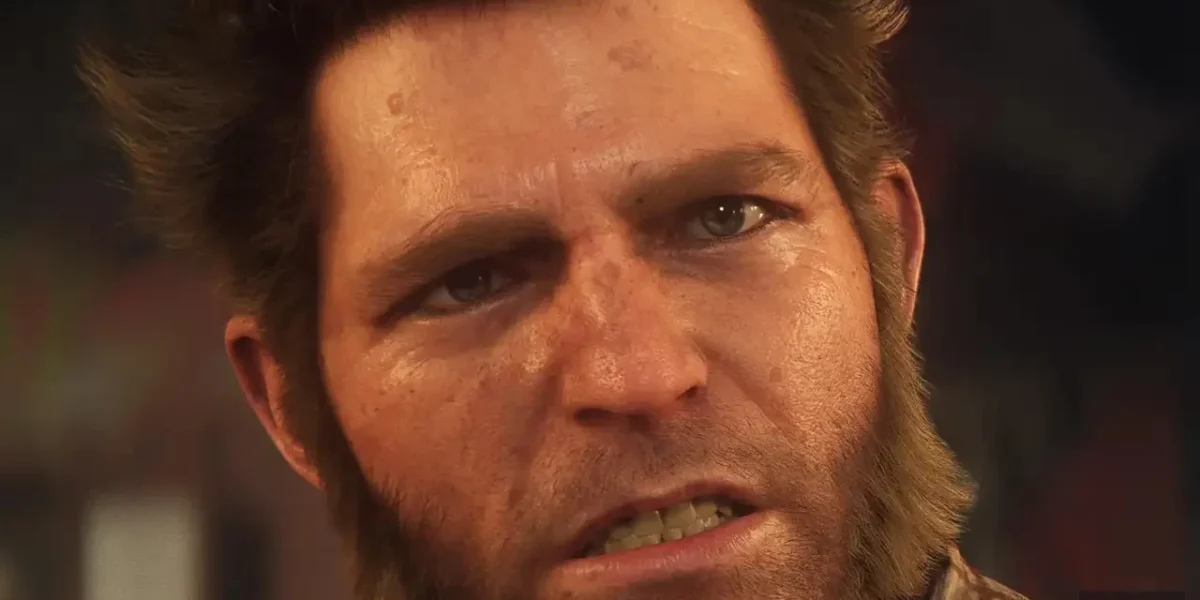
We’ve just seen a fresh visual preview of Insomniac’s forthcoming Wolverine title, and the new renderings are already sparking debate over the studio’s persistent push toward photorealistic graphics and the uncanny nature of its superhero character designs.
Insomniac’s reputation for high‑fidelity visuals is well‑known, having delivered three Spider‑Man games that famously overhauled Peter Parker’s appearance to resemble MCU star Tom Holland. That change has since become a point of contention, as the actor ages and the likeness feels increasingly artificial. In the Wolverine project, the titular mutant is voiced by Liam McIntyre and modeled after him, yet many fans remain uneasy with the final aesthetic.
Entertainment Weekly interviewed McIntyre about his experience, revealing that he dove deep into the role, even hunting footage of rabid dogs to capture Logan’s feral edge—a process his team described as “terrifying.”
“I guess that’s good, right? Being terrifying,” he told EW. “But, suddenly, I was like, ‘I’m really scared to go all out with this,’ yet the team’s support made me feel safe. They’d guide me if something didn’t work, ensuring it didn’t just happen unchecked. That trust allowed me to take bold swings with the character.”
While Entertainment Weekly’s full interview offers additional context, the most discussed element is the exclusive unmasked images of Logan, rendered as a digital likeness of actor Hugh McIntyre. Fans’ reactions have been sharply divided.
Critics argue that Insomniac’s staging of the actors feels contrived; the problem isn’t the facial likenesses but rather the studio’s inability to craft a distinctive visual style that elevates the characters.
Despite a deep affection for Insomniac, some fans note that Wolverine’s portrayal feels devoid of the comic’s playful flair, with the cast appearing more ordinary than expected.
While previous Wolverine releases have occasionally shown Logan unmasked, these particular images have sparked renewed debate. Critics contend that Logan’s unmasked appearance renders him indistinguishable from an everyday individual, and that Insomniac’s Marvel titles fall short of the vibrant visual identity found in the source comics. Although the heroes shine in costume, the lack of distinctive features when the masks are removed diminishes even iconic traits like Logan’s sideburns and mutton chops.
Fans are already experimenting with cosmetic tweaks to enhance Logan’s appearance, and early indications suggest that the character’s facial animation will look noticeably smoother in motion. McIntyre’s nuanced performance and expressive gestures could further amplify Logan’s personality. One particular fan‑made modification—thickening Logan’s eyebrows—caught my eye and confirmed that these adjustments can genuinely elevate the character’s visual appeal.
❓ Frequently Asked Questions (FAQ)
Why are Wolverine fans upset with the new visual preview of the game?
Fans feel that the photorealistic rendering of Logan, modeled after actor Liam McIntyre, looks too uncanny and artificial. They worry that the hyper‑realistic approach, similar to the controversial Tom Holland likeness in the Spider‑Man games, makes the character feel forced and detracts from the iconic Wolverine aesthetic.
How is Insomniac using performance capture for Wolverine?
Insomniac is pairing Liam McIntyre’s vocal performance with a photorealistic CGI model that was built from his likeness. The studio uses motion‑capture data to blend McIntyre’s physical movements and voice with the digital avatar, aiming for a seamless, immersive portrayal of the mutant.
What could the outcome of this photorealistic approach mean for future superhero games?
If successful, it could set a new industry standard for blending real‑world performances with CGI, enhancing immersion. However, it also heightens scrutiny over authenticity and artistic intent, risking alienation of audiences who prefer stylized or less literal representations of beloved characters.
News Source: Kotaku




Comments
Be the first to comment.