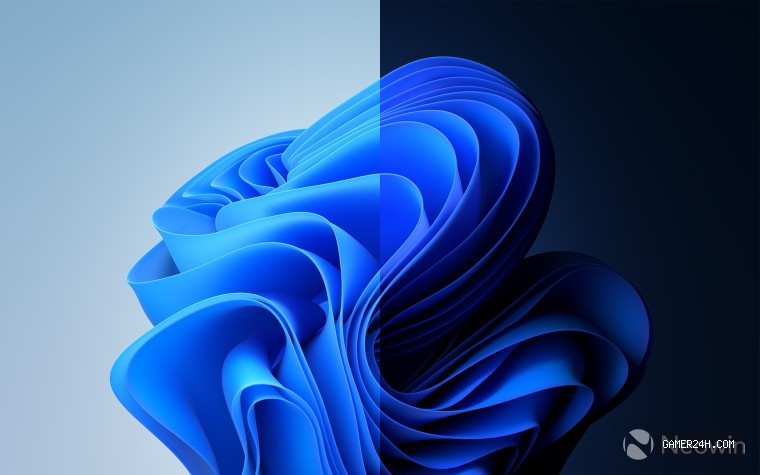
Windows 11 has reached its fifth anniversary. Five years ago, on June 24, 2021, Microsoft unveiled its newest operating system, promising to bring users closer to what they love. Today, the platform marks half a decade of evolution.
The rollout of Windows 11 was anything but ordinary. Weeks before the official announcement, speculation swirled that Microsoft was preparing a successor to Windows 10. A few days later, a full preview build leaked online, giving enthusiasts an early glimpse into the forthcoming OS. Shortly thereafter, Microsoft confirmed the existence of Windows 11 and formally introduced the next‑generation operating system to the world.
Initial previews of Windows 11 boasted a host of ambitious enhancements: a sleek, modern interface, a revamped Start menu and taskbar, refined virtual desktop and window‑snapping capabilities, support for Android applications, Teams integration into the taskbar, Windows Widgets, a refreshed Microsoft Store, bolstered security, and more.
While many welcomed these innovations, others voiced strong objections. Critics pointed to missing taskbar and Start menu functionalities, the steep hardware prerequisites that excluded many still‑capable PCs, the mandatory TPM and Secure Boot requirements that spurred a surge in dedicated TPM chip sales, and the unwelcome double‑layered context menus that Microsoft has yet to address.
Over time, Microsoft has also scaled back some of Windows 11’s exclusive offerings. The Teams integration has been removed, and Android app support has been discontinued, signaling a shift in the platform’s feature roadmap.
In the early days of Windows 11, Microsoft largely ignored the most pressing user complaints. After four years on the market, a shift in leadership and fierce rivalry from the Mac ecosystem finally pushed the company to revisit its flagship OS and address the long‑standing issues that had frustrated users.
Today, Microsoft is overhauling the Start menu, reintroducing essential taskbar features, streamlining Windows Update, and correcting the broken context menu, among other critical fixes. Some observers are already calling for a fresh “Windows 12” launch, but for now the focus remains on polishing the existing platform.
With the company finally heeding its core audience, gamers and everyday users alike can look forward to a significantly more refined Windows 11 experience—an upgrade that promises to keep the OS relevant for at least the next five years.
❓ Frequently Asked Questions (FAQ)
What are the major changes introduced in Windows 11?
Windows 11 introduced a modern, streamlined interface with a centered Start menu and taskbar, enhanced virtual desktop and window‑snapping features, integrated Microsoft Teams in the taskbar, Windows Widgets, a refreshed Microsoft Store, support for running Android apps via the Amazon Appstore, and several security improvements such as mandatory TPM 2.0 and Secure Boot.
Why did Windows 11 require TPM 2.0 and Secure Boot?
Microsoft mandated TPM 2.0 and Secure Boot to enhance device security, protect against firmware attacks, and ensure a more secure boot process. This requirement also helped standardize hardware security features across PCs, though it excluded many older systems that lacked these components.
How has Windows 11 evolved over its five-year anniversary?
Since its launch, Windows 11 has seen refinements like the removal of the Teams integration from the taskbar, adjustments to the Start menu and taskbar functionalities, and a broader acceptance of older hardware through updated minimum requirements. The OS has also expanded its feature set, improved performance, and addressed user feedback on context menus and other UI elements.
News Source: Neowin





Comments
Be the first to comment.