

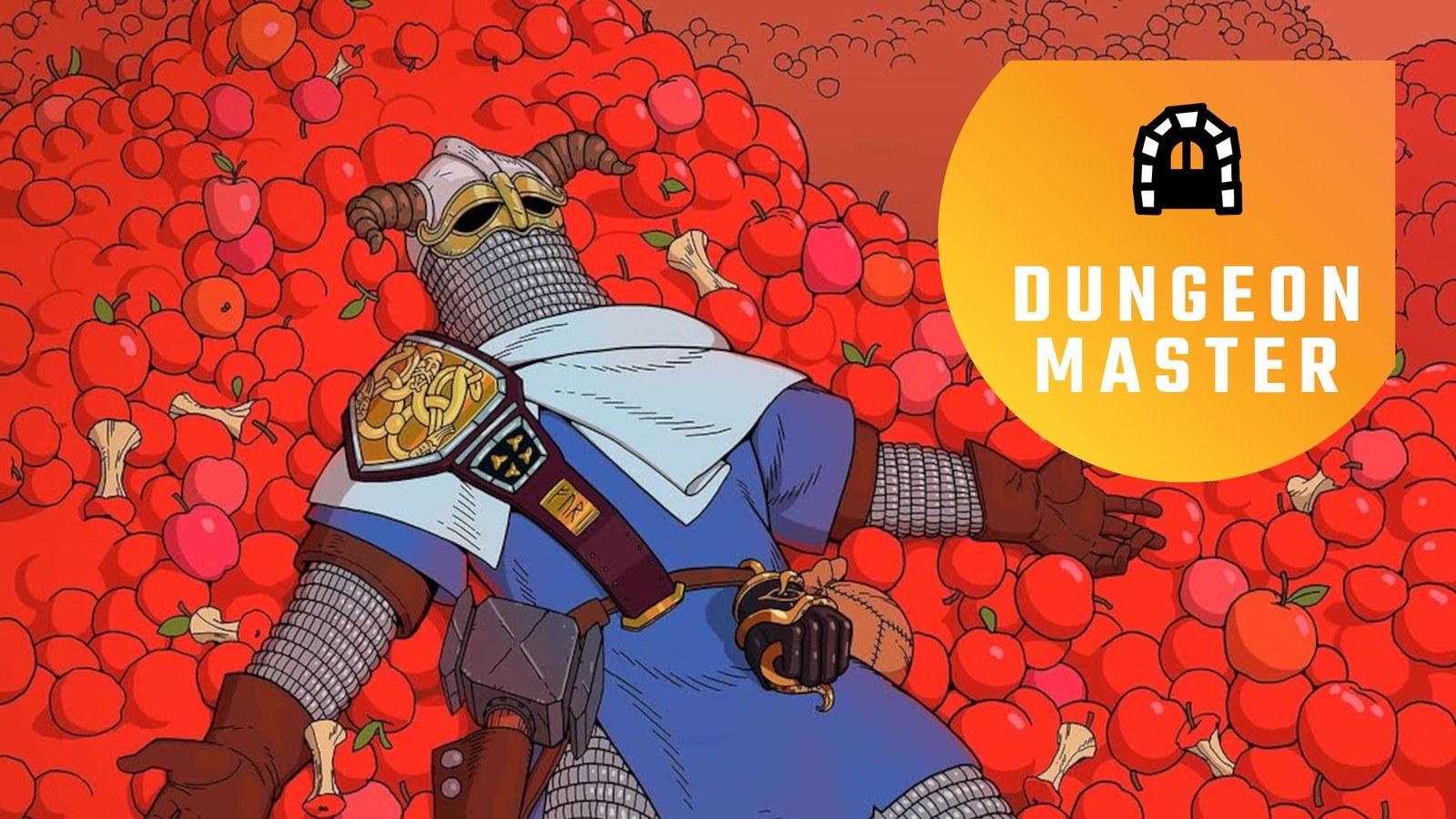
According to a column by Fraser Brown, Online Editor at PC Gamer, the most memorable moments in role-playing games often come from failure rather than triumph.
In his regular RPG column for PC Gamer, Brown argues that most video game RPGs sell a “power fantasy”—the idea that you are competent, clever and destined to save the day. But he suggests that constantly winning can become dull, and that players increasingly want friction and mistakes woven into their adventures.

“I just can’t relate to these capable heroes,” Brown writes, noting that iconic protagonists like Geralt of Rivia and Commander Shepard never suffer ordinary humiliations. “When these protagonists face adversity, it only serves as an excuse for more badass adventures.”
Brown points out that this problem is not inherent to all RPGs. Tabletop role-playing games such as Mothership and Call of Cthulhu, he says, tend to embrace misfortune—and it was only when he started playing TTRPGs that he began appreciating “how much fun it is to not be the Chosen One, to just be some guy who, either through cursed rolls or bad calls, keeps messing up.”
Idiots have more fun
“Being asked to do a thing, doing the thing, and then getting congratulated for it—that’s not a particularly good anecdote,” Brown writes. He argues that great stories come from quests gone wrong: being outsmarted by children, vomiting on yourself, breaking your foot and disappointing everyone around you.
Brown recalls his shock in Baldur’s Gate 2 when the paladin Jaheira decided he was so hopeless that killing him was “the only solution.” He says this celebration of incompetence has become more prevalent as CRPGs lean into their TTRPG roots. He cites Baldur’s Gate 3, where failure is always nipping at your heels and playing the Tmavý Urge can lead to accidentally murdering people.
“[Baldur’s Gate] is, of course, the RPG that most embraces the idea that it’s fun to be shit,” Brown writes. He describes ending up “a communist paranormal investigator constantly going on rants about the apocalypse” in Ghostbusters, basing decisions on how funny he thinks the writing will be.
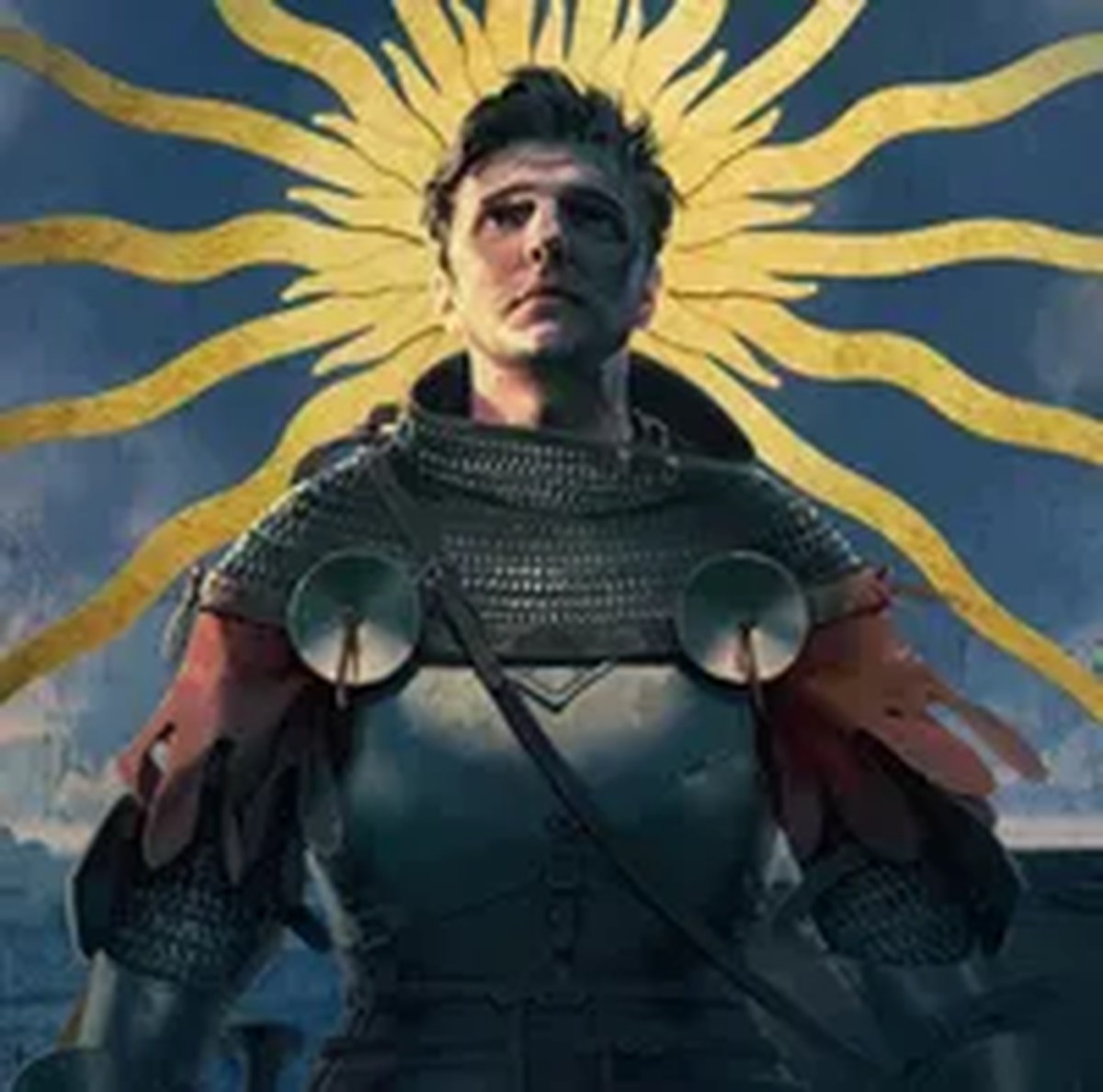
He also points to games where every interaction offers the prospect of embarrassing yourself—one where he suffered a breakdown during a phone call within five minutes, and another where he ignored his quest to solve terrorism in order to focus on winning an election in which he was not a candidate.
Critical fail
Brown says what makes these RPGs compelling is not the constant failures themselves but the “ridiculous breadth of options” they offer. When failure seems almost guaranteed, succeeding feels more impressive.
“How a game handles failure is so important,” he writes. If a game gives you many ways to fail but then simply kills you, it implies there is only one right way to play—”you’re either a flawless hero or you’re dead.”
Brown recalls a quest in Pillars of the Eternity where he had to set up a tournament between two swordfighting schools through theft. After being caught and escaping in “a Benny Hill-style chase,” his team was given a serious handicap. When they won, it felt meaningful because his actions had made them underdogs.
“Good roleplaying is essentially improv,” Brown concludes, calling for permissive game systems willing to embrace “Yes, and” and find interesting outcomes even when players fail—making storytelling collaborative and surprising rather than a rote hero’s journey.
Good roleplaying is essentially improv. What you want is a permissive GM (whether it’s a literal GM or a videogame’s systems) who’s down for a bit of “Yes, and,” who will let you come up with a dumb solution and try to find interesting outcomes even if you fail miserably.
Fraser Brown, PC Gamer
2026 games
: All the upcoming games
Best PC games
: Our all-time favorites
Free PC games
: Freebie fest
Best FPS games
: Finest gunplay
Best RPGs
: Grand adventures
Best co-op games
: Better together























1 comment