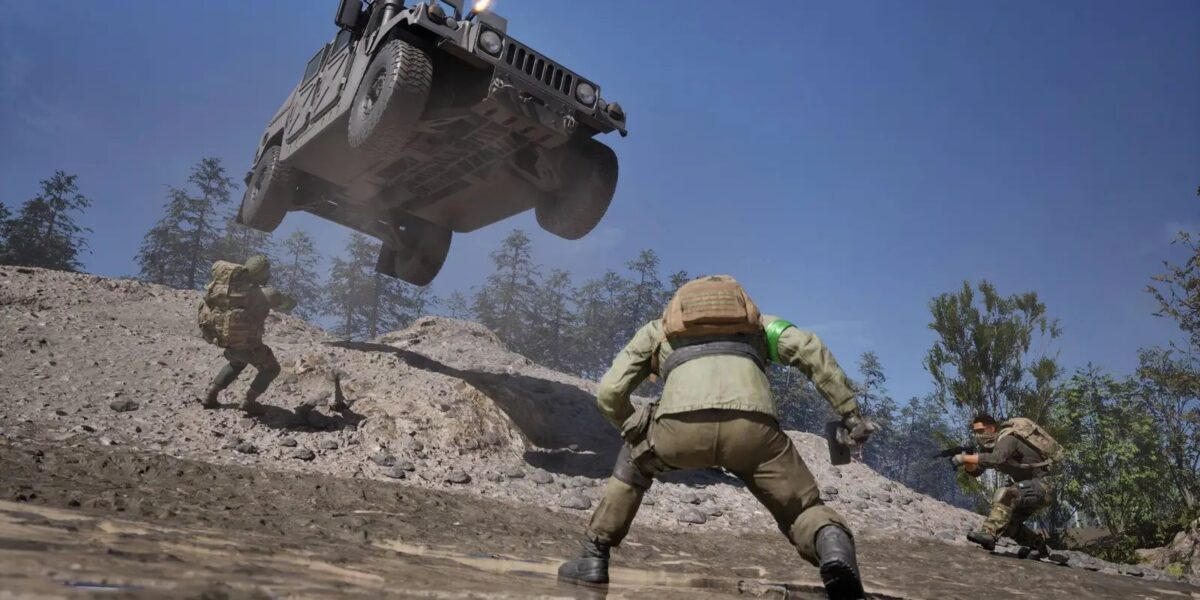
Wardogs, the runaway multiplayer shooter that has sold more than two million copies in just its first week on Steam, is at the center of a fresh controversy over crunch culture after Bulkhead executive producer Joe Brammer publicly addressed allegations that the studio forces extended overtime. In response to what he called “out of context articles,” Brammer laid out what he termed the “facts” in a post on X, following an interview with Chris Dring on The Game Business that was subsequently reported by outlets including Game Developer, PC Gamer, and IGN. The developer’s candid defense comes as the title continues to climb Steam charts despite still being in early access, and it highlights an ongoing industry-wide reckoning with crunch that has recently drawn attention amid reports of Rockstar employees fighting for better working conditions ahead of Grand Theft Auto 6.
According to Brammer, the framing of his remarks as an endorsement of mandatory crunch misses the broader picture of how Bulkhead operates. He clarified that he never stated crunch is “mandatory,” and pointed to the studio’s ownership structure, noting that “80% of the shares in Bulkhead are owned by 50% of the staff.” Brammer also emphasized that half of Wardogs’ development was completed on a four-day working week, and that the entire studio will be given the month of December off. “This is the other side of the honesty and transparency we have been commended for,” he said, framing his defense as an extension of the openness the studio has cultivated with its player base.
A Nuanced Conversation Beyond Isolated Quotes
Those who listened to the full 40-minute interview between Dring and Brammer describe it as a far more complex discussion than the isolated soundbites circulating online. Brammer delved into the shifting perception of crunch across different generations of employees at the studio, the difficulties the company faces in offering the “correct” amount of paternity leave to new fathers, and how bonuses are distributed throughout the organization. His stance, he explained, is that the studio “expects people to crunch,” but that this comes with corresponding compensation both fiscally and through time off to recover from burnout. “If we’re going to be a company that says ‘we do crunch,’ then we also have to say ‘but you get something for it,'” Brammer said.
“This is the other side of the honesty and transparency we have been commended for.”
Joe Brammer, Bulkhead
Crunch, broadly defined as extended periods of overtime, remains one of the most contentious issues in gaming, with countless reports over the years documenting studios enforcing a “crunch culture” that drives long hours, burnout, and low morale as teams rush to hit deadlines. Brammer’s willingness to speak openly about the practice has drawn both praise and criticism. On one hand, his candor offers the public more material to scrutinize, especially for a game as popular as Wardogs. On the other, it invites intense analysis of a company that has positioned itself as a transparency champion.
Brammer’s openness is not new to the community. Alongside other senior members of the development team, he frequently posts on social media to discuss what is working and what is not with Wardogs. This refreshing approach has resonated with players who have grown attached to the game and embedded themselves within its community. A notable example of this transparency was the studio’s “10 reasons not to buy Wardogs” video, which candidly addressed concerns such as the game not receiving regular content drops, the fact that a previous title, Battalion 1944, was abandoned during development, and the eventual arrival of monetization, albeit much later down the line.
Looking Ahead
As Wardogs continues its ascent up the Steam charts, the debate over Bulkhead’s working practices is likely to persist, with players and industry observers weighing the studio’s claims against the realities of crunch culture. Brammer’s defense rests on the premise that compensation—both financial and in the form of recovery time—transforms crunch from exploitation into a negotiated trade-off, a position that will be closely watched as the game moves further out of early access. For now, the full interview remains the most reliable source on the studio’s actual practices, and those interested in the complete picture are encouraged to listen to the full conversation between Dring and Brammer rather than relying on fragmented quotes.






Comments
1 Comment