

Virtual Reality 360-Degree Video Production: Technical Mechanics and Spatial Immersion Architecture
Introduction: The Engineering Realities Behind Spherical Cinematography
Shooting live-action video for Virtual Reality (VR) and spatial computing headsets differs fundamentally from conventional flat-screen cinematography. In traditional filmmaking, the director retains absolute compositional control over the framing rectangle—directing the viewer’s focus through focal length, camera movement, and deliberate lighting ratios. In 360-degree immersive video, the camera sensor is not an observer looking through a window; it becomes the actual anatomical viewpoint of the audience within a spherical coordinate space.

Every element in a 360-degree environment—including the production crew, lighting stands, audio boom operators, and cable runs—exists potentially inside the field of view. Beyond physical staging challenges, capturing high-resolution stereoscopic omnidirectional video requires solving intricate optical physics problems: eliminating parallax seams, synchronizing multi-sensor shutter timing down to the microsecond, and engineering spatial audio that rotates accurately with the user’s head orientation.
1. Optical Calibration: Overcoming the Parallax Stitching Bottleneck
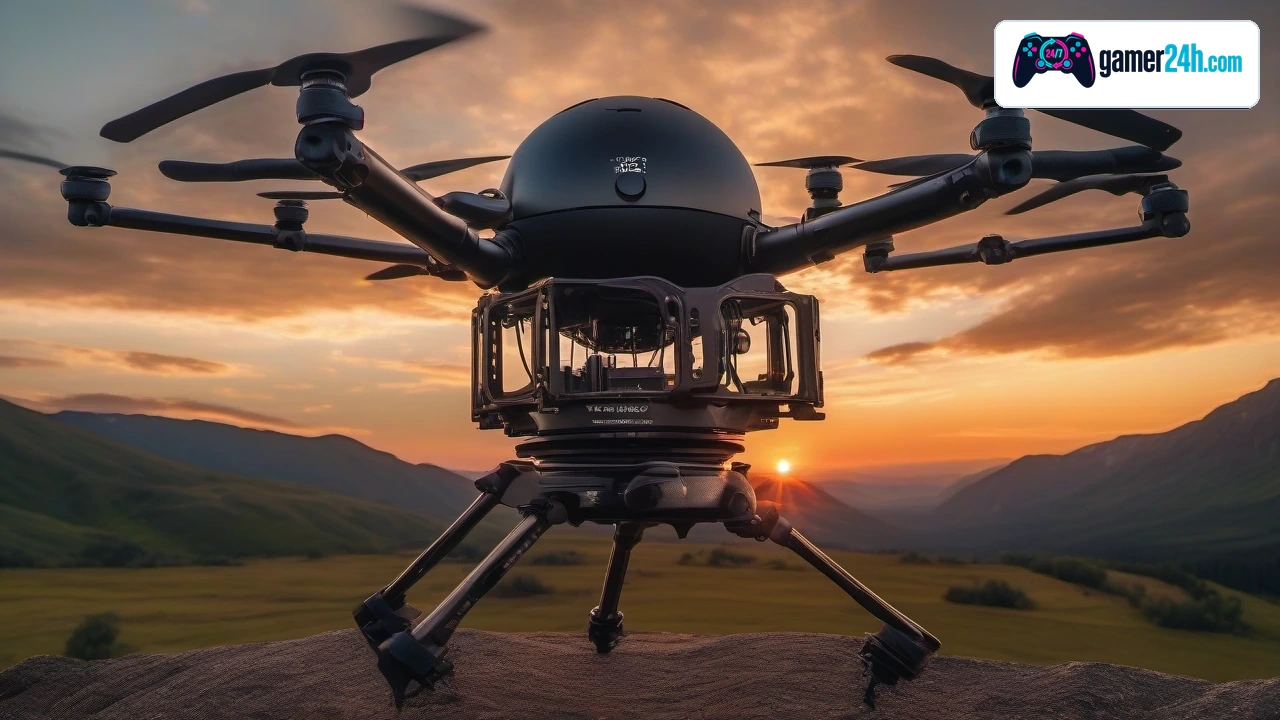
Unlike monoscopic 360 cameras that stitch images from two 180-degree back-to-back fisheye lenses, professional VR cinema requires stereoscopic (3D) capture—generating distinct left-eye and right-eye perspectives for true binocular depth perception. This necessitates arrays of six to eight high-resolution camera modules configured symmetrically in a spherical rig.
However, multi-camera arrays introduce the fundamental physical challenge of optical parallax:
- The Nodal Point Dilemma: Because physical lenses cannot occupy the exact same point in 3D space, foreground objects close to the camera cluster appear shifted differently between adjacent sensors.
- Seamline Occlusion: When an actor or prop approaches within the minimum focal convergence distance (often 1.5 to 2 meters for wide-baseline rigs), the software cannot reconcile the perspective differences, causing noticeable tearing, ghosting, or distorted double edges.
- Optical Flow Interpolation: Advanced post-production suites utilize machine-learning optical flow algorithms to compute pixel-by-pixel motion vectors, dynamically warping image seams around human silhouettes to hide distortion lines.
2. Equirectangular Projection and Headset Resolution Density
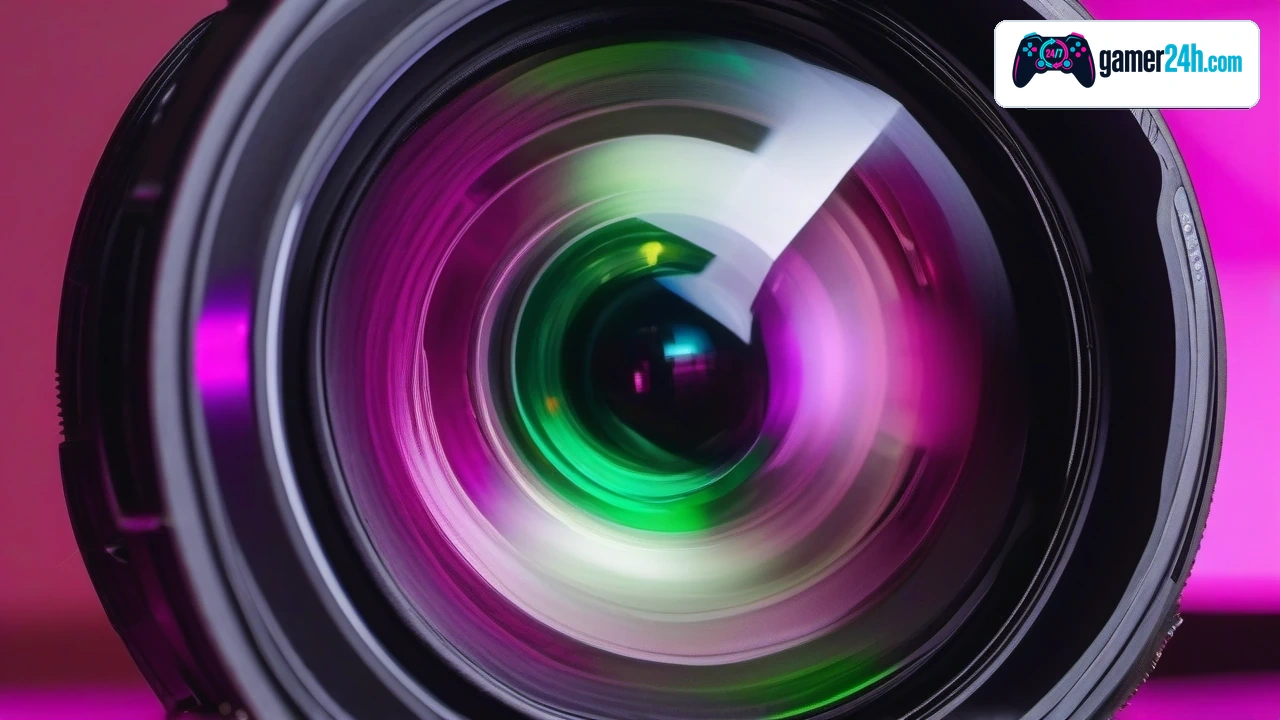
Once stitched, omnidirectional video frames are mapped onto a 2:1 aspect ratio canvas using equirectangular projection—the mathematical flattening of a sphere onto a 2D plane, analogous to standard world map projections. This projection naturally compresses data at the equator while drastically stretching pixels at the poles.
This projection architecture creates intense bandwidth and hardware demands. While an 8K equirectangular video file sounds massive on paper (7680×3840 pixels), only approximately 100 to 110 degrees of that spherical canvas are visible inside the VR headset’s field of view at any given millisecond. Consequently, the user is effectively seeing roughly 1080p to 1440p resolution within their active viewing frustum. Achieving true “retina quality” immersion (60 pixels per degree) requires camera captures exceeding 12K to 16K, driving the need for viewport-adaptive foveated streaming architectures.
3. Ambisonic 3D Spatial Audio: Completing the Illusion of Presence
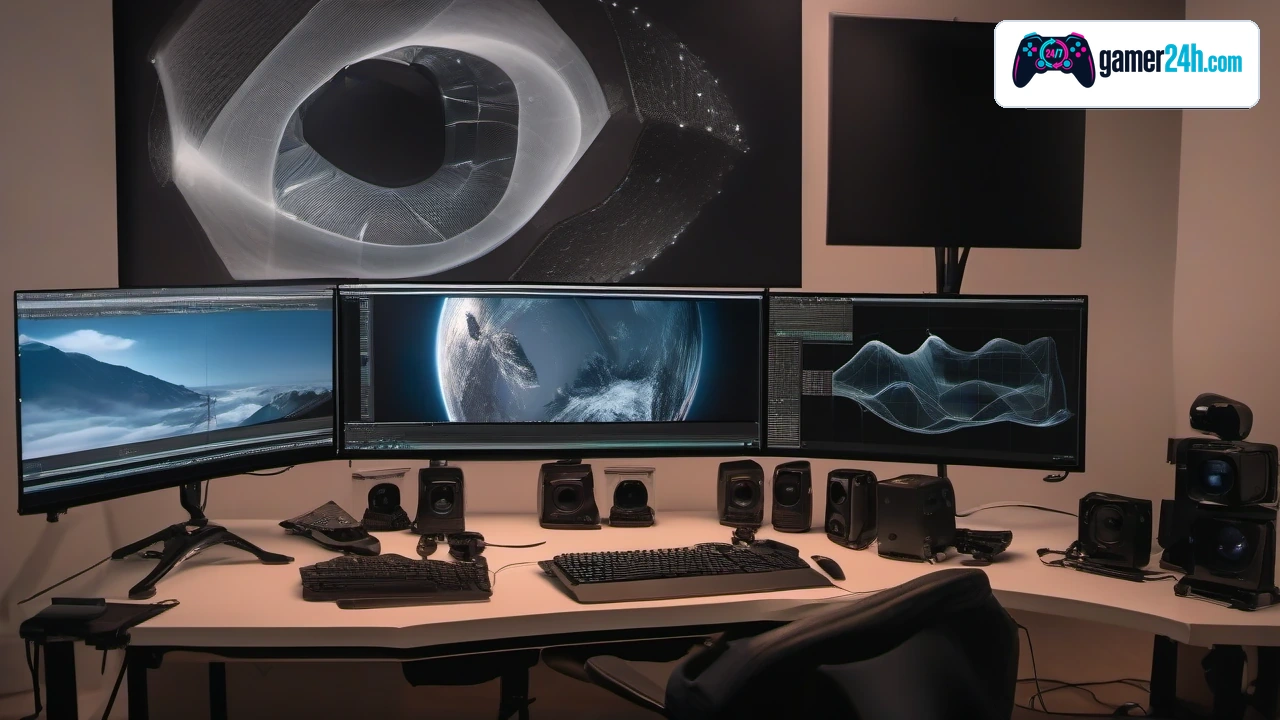
High-resolution visuals account for only half of the immersion equation. In spatial computing, the human auditory cortex relies on microscopic timing and frequency differences—known as Head-Related Transfer Functions (HRTFs)—to localize sound sources in three-dimensional space.
VR video production utilizes tetrahedral Ambisonic microphones to record full-sphere sound fields (B-format audio: Omnidirectional pressure W, plus directional figure-eight polar patterns X, Y, and Z). During playback in headsets like Meta Quest 3, Apple Vision Pro, or PlayStation VR2, the audio engine dynamically rotates the sound field in real time based on inertial IMU tracking, ensuring that when an explosion occurs behind the user, the acoustic resonance stays pinned to that exact coordinate even as the user spins their head.
Conclusion: The Future of Volumetric Video and Spatial Computing
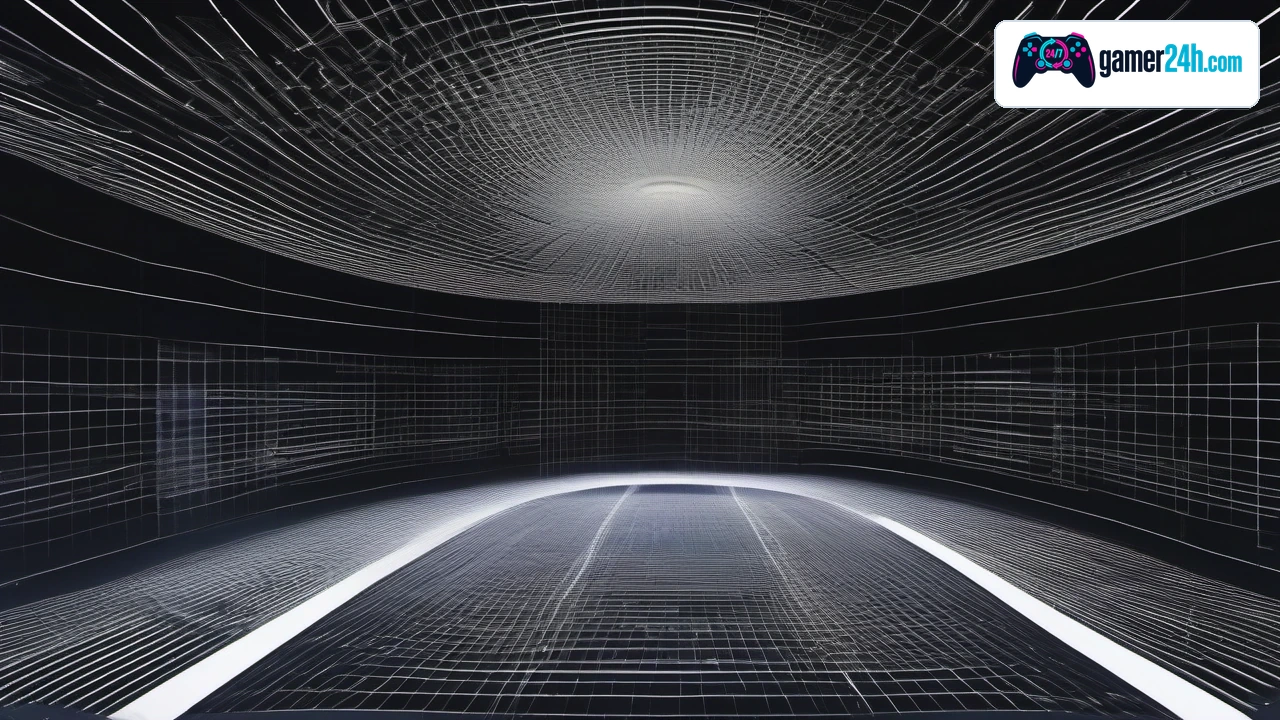
While 360-degree video delivers panoramic scale, its fundamental limitation remains 3-DoF (Three Degrees of Freedom)—users can rotate their head along pitch, yaw, and roll, but cannot lean forward, duck, or walk through the environment. The cutting edge of immersive storytelling is transitioning toward volumetric video and Gaussian Splatting, where multi-camera photogrammetric volumes reconstruct full 3D point clouds, enabling true 6-DoF interactive immersion where live actors and environments can be viewed from any vantage point in real time.























Csatlakozz a beszélgetéshez