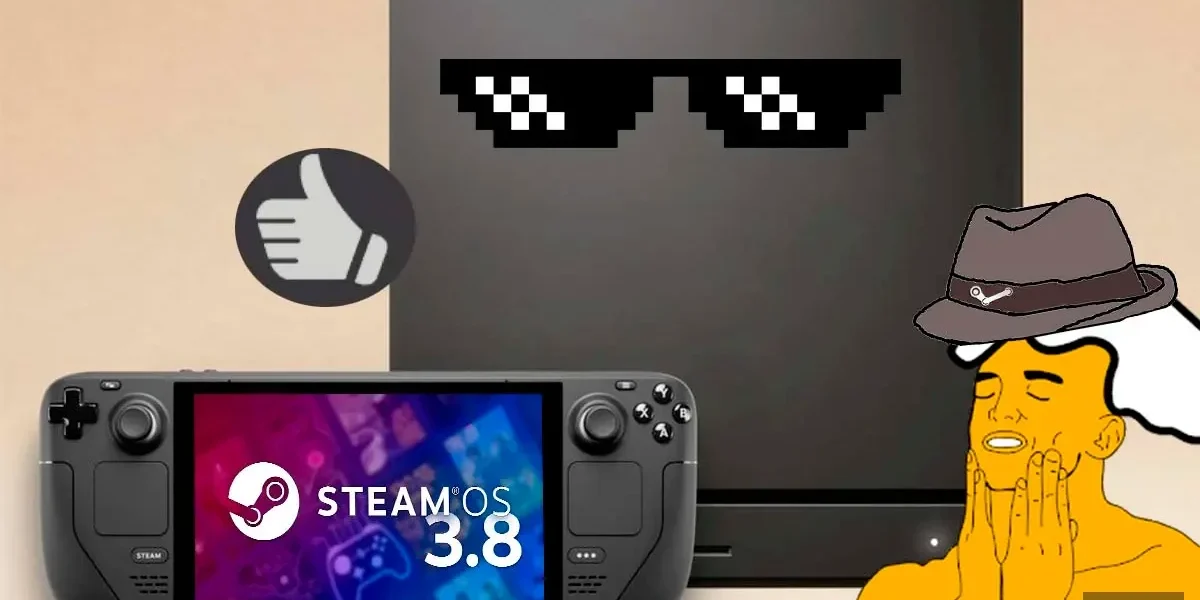
Valve has officially released the latest stable build of its operating system, SteamOS. While the update initially appeared to be another routine patch following its beta phase, SteamOS 3.8 arrives brimming with surprises that offer a tantalizing glimpse into the company’s future hardware ambitions.
One of the most compelling highlights is the introduction of “initial support” for the long‑awaited Steam Machine. The update also enables the device to wake from sleep using a connected Steam Controller, a feature that could streamline the user experience for home‑gaming setups.
Beyond hardware integration, SteamOS 3.8 delivers substantial performance upgrades. It boosts download speeds for future updates, switches the default graphics server to Wayland to enhance desktop mode efficiency, adds preliminary support for variable refresh rates over HDMI, and resolves a host of bugs that previously plagued recording, large‑scale game launches, and unexpected shutdowns.
Although the release notes remain silent on specifics regarding the anticipated Steam Frame, the emphasis on early hardware support keeps enthusiasts eager for the next generation of Valve’s living‑room consoles—provided that the ongoing memory‑RAM crisis doesn’t inflate the Steam Machine’s price beyond the $1,000 threshold.
Beyond the insightful hints about upcoming hardware, regular Steam Deck users will notice a significant technical shift when they switch to desktop mode. The handheld now defaults to Wayland instead of the legacy X11 display server, meaning it abandons an older, less efficient graphics stack in favor of a modern, secure, and highly responsive interface that streamlines the majority of everyday tasks.
Turning to the core performance metrics that gamers care about, SteamOS 3.8.10 brings updated graphics drivers that promise greater stability and smoother gameplay. It also introduces early support for variable refresh rates on native HDMI outputs, along with new graphical features that will be essential for running demanding future titles such as Crimson Desert.
The overall user experience has also received a much-needed polish, thanks to substantial improvements in screen sharing compatibility with apps like OBS and Discord. The system now handles external PDF viewers more gracefully, and future OS updates will download at noticeably faster speeds when connected to a robust internet connection.
Finally, Valve has addressed a range of technical glitches—from hidden drop‑down menus and frozen videos during Remote Play, to crashes when recording gameplay with certain “Maximum Video Height” settings. It also fixed a quirky window‑centering issue in games like “SpongeBob SquarePants: Battle for Bikini Bottom – Rehydrated”, eliminated abrupt session terminations when exiting heavy titles such as STAR WARS Jedi: Survivor or Starfield, and improved USB racing wheel compatibility while dialing back the overly sensitive touchpad response on early LCD models.
❓ Frequently Asked Questions (FAQ)
What new hardware support does SteamOS 3.8 introduce?
SteamOS 3.8 adds initial support for the Steam Machine, allowing the device to wake from sleep using a connected Steam Controller and signaling Valve’s push to revive its hardware platform.
How does SteamOS 3.8 improve performance for users?
The update boosts download speeds for future updates, switches the default graphics server to Wayland for better desktop mode efficiency, adds preliminary support for variable refresh rates over HDMI, and fixes bugs related to recording, large‑scale game launches, and unexpected shutdowns.
Does SteamOS 3.8 mention any future releases like the Steam Frame?
No, the release notes do not provide specifics about the anticipated Steam Frame, but the emphasis on early hardware support keeps enthusiasts hopeful for the next generation of Valve’s living‑room consoles.
News Source: Tarreo





Comments
Be the first to comment.