

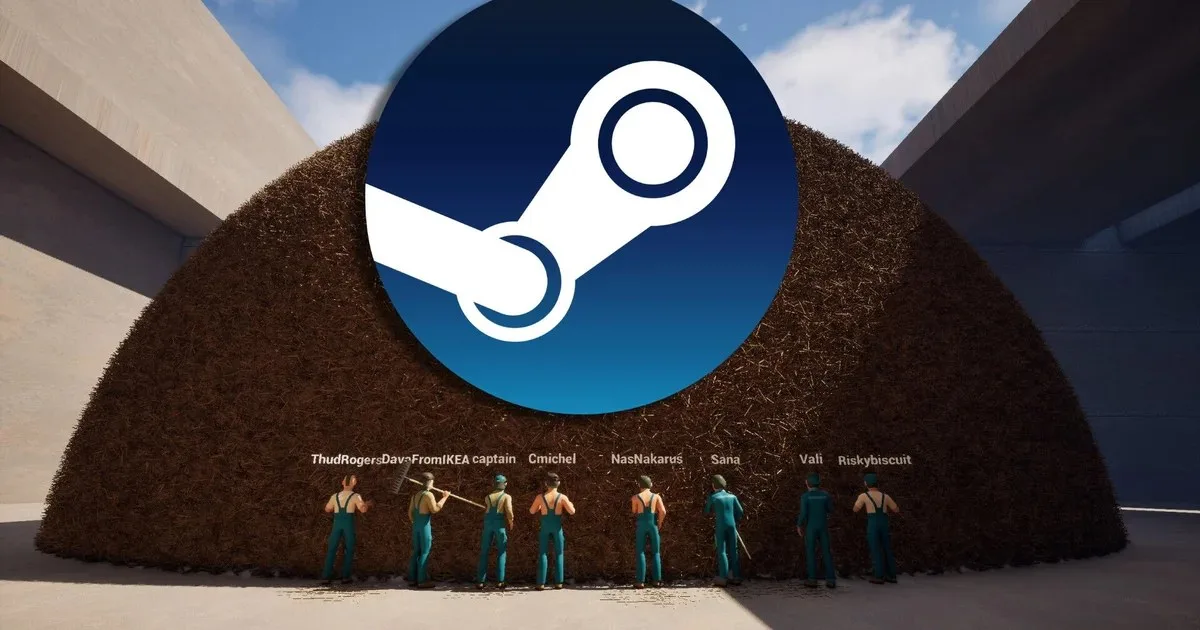
Valve has responded to the worrying trend of games being cloned using generative-AI and sold on Steam, but instead of admonishing those games or promising to do something about them, it appears to have put the onus on developers to make their games less copyable.

Valve’s business team members Tom Giardino and Marc Wilkinson were reportedly asked at a Steam Indie Connect developer conference in Korea, reported by InvenGlobal, whether Steam had any protective measures in place to stop games being cloned by AI. The questioner, a developer, cited an example whereby developers were held to ransom by people threatening to clone a game.
It was in response to that example that Giardino – after saying this was the first he’d heard of ransoming, and that probably it was an issue for law enforcement, though Valve would “help in whatever way we can” – outlined not what Valve was doing to clamp down on this, but what developers could do to guard against it. Indeed, Giardino began by underlining Valve’s hands-off stance towards AI use, reportedly stating: “We don’t want to be gatekeepers telling developers which tools they should or shouldn’t use.”
Instead, developers can guard against copycats by building active communities and establishing trust and by making a legitimate version of a game the best version available, Giardino reportedly said. Then there’s the game itself: a more complex game will be harder to copy. “Rather than relying on a single mechanic that someone can easily copy, you need to keep growing your game by adding features, personality, and creativity that stem from your own perspective,” Giardino reportedly said.
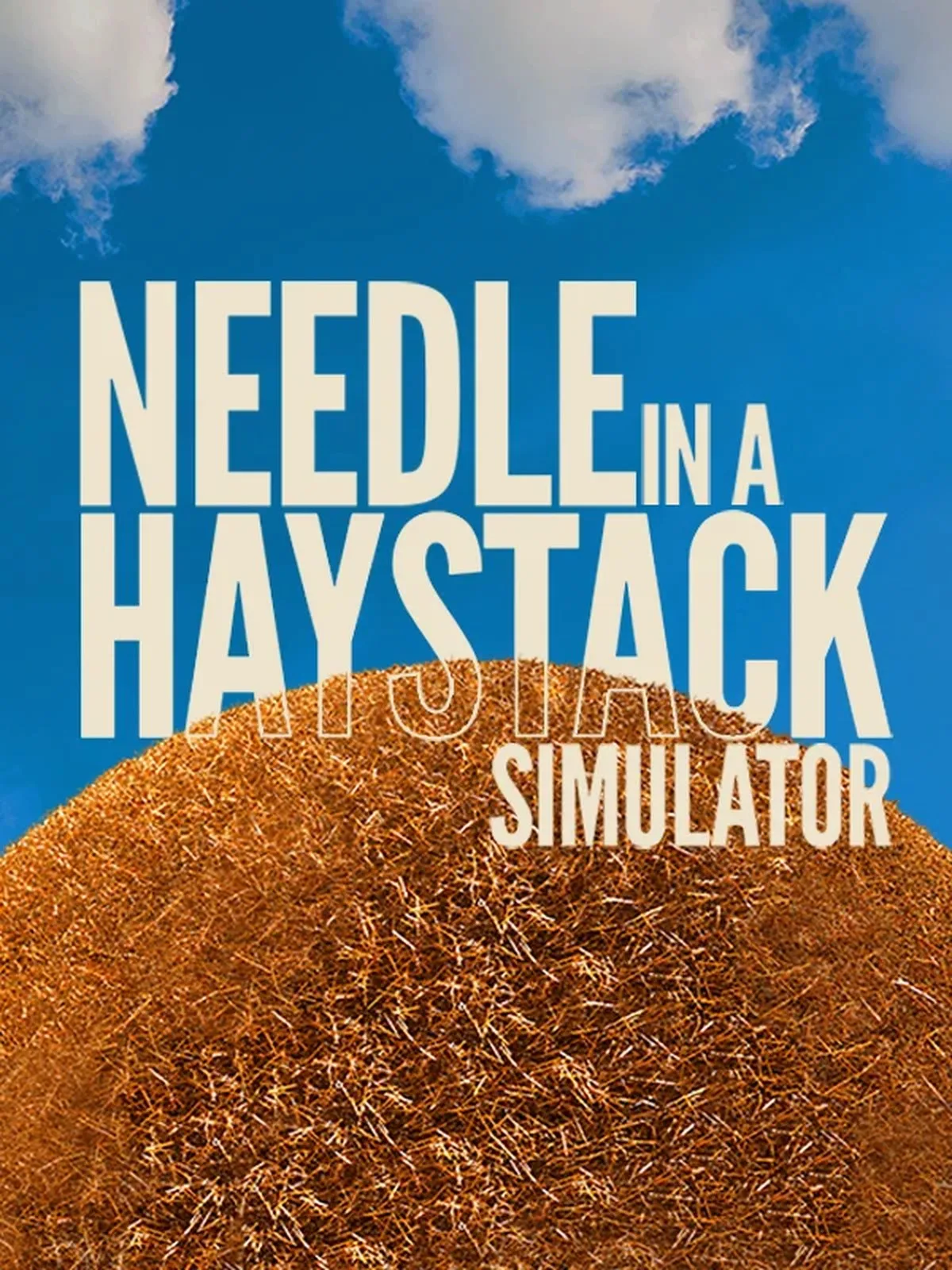
It’s worth remembering Valve’s comments here come second-hand, and via machine translation which InvenGlobal has separately verified with a native Korean speaker; we’re asking Valve for clarification. But they also come after the widely publicised case of Needle in a Haystack Simulator, a simple indie game which isn’t even out yet, but has been copied so many times it’s hard to know which game is the original. The game’s developer has resorted to joking that they’re implementing a new game mode where you have to find the original game amidst a pile of copycats.
Without Valve’s intervention, it’s hard to see what a developer can do to guard against this. How can you build a community and trust, and ensure your game is the best version available, if you’re not given a chance at finding an audience to begin with?
Plus, the sheer number of copycats makes this a whack-a-mole situation for containment, which is something that – without Valve’s help – probably requires expensive legal resources anyway, which in turn is probably out of reach for many indie developers. Also, legal reprimands usually don’t occur until long after the damage has been done.
This wouldn’t be the first time Valve has distanced itself from moderating what’s sold on its PC platform. Indeed in 2018, amidst growing concern about the kinds of games available on Steam, Valve seemed to back away entirely from taking responsibility.
“We’ve decided that the right approach is to allow everything onto the Steam Store,” Valve’s Erik Johnson said at the time, “except for things that we decide are illegal, or straight up trolling.” It’s a stance that former Eurogamer editor Oli called “arrogant and cowardly”.
Mai mult recently, the pendulum swung the other way when Valve threw an undiscerning net over an entire sector of ‘adult’ games, catching in it a slew of well-meaning, artistically mature games, as well as those of a more crass nature. And with Steam growing every year, and more games being released on the platform than ever before, the everpresent issue of moderation is certainly not going to disappear.
Mentioned in this article
Needle In A Haystack Simulator
Have thoughts, questions, or benchmarks on this topic? Join the discussion on our forums.
Join Discussion ➔






















1 comment