Tim Schafer on the Broken Economics of Game Development: “I Assume It’s Someone Being Greedy Somewhere
September 24, 2026 · Gamer24H Editorial Team
Tim Schafer, the celebrated founder of Double Fine and creator of cult classics like Psychonauts and Full Spectrum Warrior, has publicly declared that he no longer “understands the economics” of game development, citing Xbox’s sweeping layoffs and a broader wave of studio closures across the industry. Speaking to the BBC in a September 23 video interview, the veteran developer laid bare his frustration with a market that, despite selling games and generating revenue, has seen sustained job losses for roughly four years running. His blunt assessment — that he simply “assumes it’s someone being greedy somewhere” — has struck a chord with a community already reeling from corporate restructuring at some of gaming’s biggest studios.
The remarks arrive at a particularly turbulent moment for the business. Xbox, one of the largest publishers and console developers in the world, is undergoing a massive internal shuffle that has produced thousands of planned layoffs and the divestment of several game studios. Even studios behind blockbuster hits are not immune: staff who worked on Battlefield 6, which launched to critical acclaim and resounding financial success last year, were axed after releasing the game to such praise. Double Fine itself was one of the studios that separated from Xbox as a result of the parent company’s restructuring, forcing the studio into an independent status that has required it to downsize.
A Four-Year Downward Spiral
Schafer’s central grievance is that the industry’s boom-and-bust narrative no longer holds up. For years, he observed a predictable rhythm: layoffs would spark concern, and then the demand for talent would force executives to hire people back. “The executives are like, ‘Oh, we fired everybody, we need some people to make this game,’ they hire them back, and then… you know,” he explained, capturing the cyclical logic that has historically defined the sector.
“I don’t understand the economics of making games to be honest,” Schafer told the BBC. “I often for years thought I understood them, because there are layoffs, which is bad, and then the people who make games realize, ‘Oh, we need people to make games.’ The executives are like, ‘Oh, we fired everybody, we need some people to make this game,’ they hire them back, and then… you know. So I always assume, ‘Oh, there’ll be this cycle of ups and downs, and ups and downs.’ But it’s been down for like, four years, and I don’t know why. I really don’t, because people are playing games, and people are making money, so I don’t know why there’s a big loss of jobs. I just assume it’s, like, someone is being greedy somewhere. But I hope it is a cycle, and I hope it bounces back.”
Tim Schafer, Double Fine
His uncertainty is rooted in a simple observation: consumers are still buying games, and money is still changing hands. Yet the workforce has contracted dramatically, leaving Schafer to wonder whether the losses stem from mismanagement, excess caution, or outright greed somewhere up the corporate chain.
Volatility Across the Board
While Schafer has become something of a champion for the indie scene, he was careful not to dismiss the creative achievements of large studios. “I’m not one of those snobs who says only indie games are creative. I think a lot of AAA games do a lot of great creative work,” he said. His distinction, however, lies in the working conditions each sector imposes on its employees.
“It’s just that, it’s been a much more violent place to work in AAA, you know, much more stressful, and your work is often not as rewarded, because you will get laid off as soon as you finish your game. But in indie games, there’s no guarantee of being not… not laid off, but out of money after you ship your game. So, they both have their risks.”
Tim Schafer, Double Fine
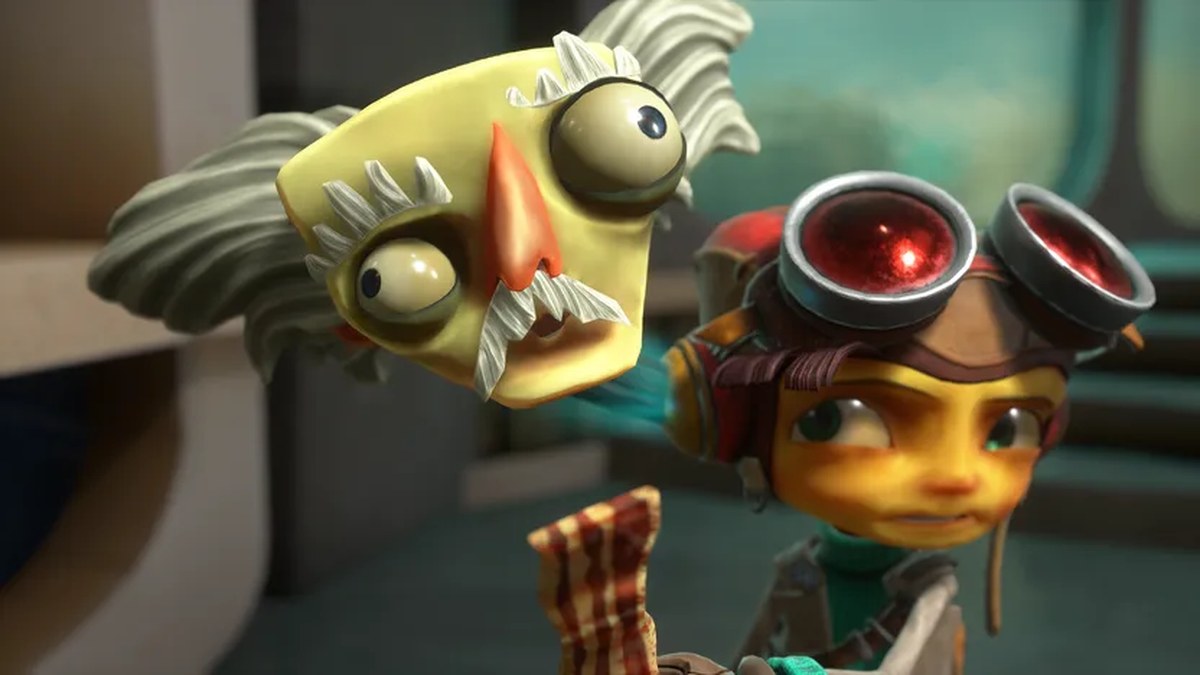
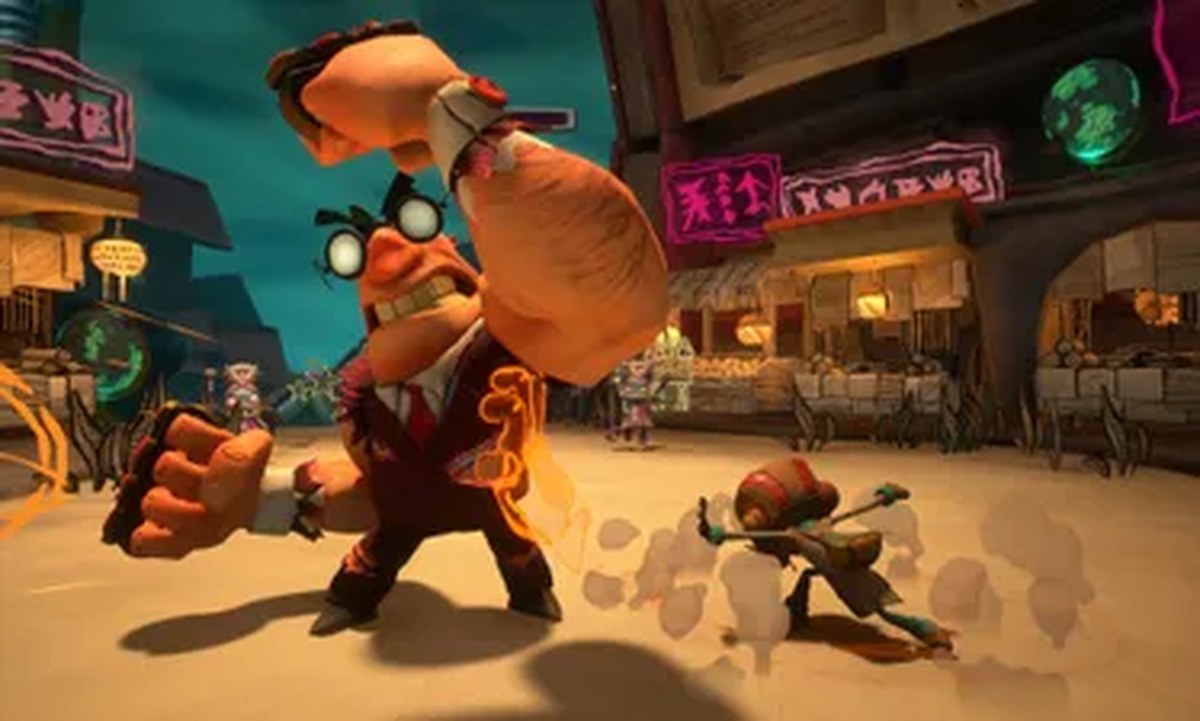
Even as he acknowledges the shared dangers, the comparison underscores a broader anxiety within the industry: the creative energy and enthusiasm among workers remain high, but the structural stability that once accompanied it appears to be fracturing. The Psychonauts 2 screenshots that circulated this week serve as a reminder of the artistic ambition still on display, even amid the uncertainty.
Looking Ahead
Schafer has framed his studio’s survival as a matter of personal resolve. In a separate interview, he described the fallout from Double Fine’s divestment from Xbox as a “creative awakening” that pushed him forward rather than folding under pressure. “No one puts Double Fine out of business except for me,” he said. “[Xbox CEO Asha Sharma’s] not going to shoot my dog. I’m going to shoot it. But I’m not going to shoot it, because it’s going to do great. A lot of people want to walk the dog.”
That determination comes as the layoffs continue. Xbox is expected to keep cutting across its business as part of its ongoing reorganization, with the most recent wave affecting Halo Studios. Activision is now leading development for the next Halo game, with Halo Studios relegated to other franchise duties. As the industry navigates this prolonged period of contraction, Schafer’s candid reflections offer both a warning and a plea — a hope that the downturn is temporary, and that the creativity driving the medium will eventually be rewarded with the stability it so richly deserves.
Written by Virginia, IGN’s News Editor. With ten years of experience reporting on games and entertainment, she’s got a storied background in the fighting game community, influencer news, and viral online trends. Find her on Twitter at @TheeMissGlaze.





1 comment
[…] Article: Tim Schafer on the Broken Economics of Game Development: “I Assume It’s Someone Being Greedy… Kaynak: Polygon […]