

Tim Schafer, the founder of acclaimed developer Double Fine Productions and the legendary designer behind classics like Day of the Tentacle and Psychonauts, has opened up about his studio’s recent departure from Microsoft, the future of Game Pass, and the broader struggles facing the games industry. In an interview with the BBC, the veteran creator explained why Xbox ultimately moved to part ways with his San Francisco-based studio, offered his thoughts on the subscription service, and shared a candid — if blunt — diagnosis of the sector’s ongoing financial troubles.
The split between Schafer’s team and Microsoft came after roughly seven years of partnership, during which Double Fine built a reputation for producing a steady stream of smaller, idiosyncratic titles. Schafer revealed that the studio’s original mission was to enrich Game Pass, loading the service with both back-catalogue and new releases — around 13 games in total. But according to Schafer, the publisher’s strategy has since shifted.
“Their model I think is changing. They’re going in a different direction with fewer, larger IPs,” he said. “So our technique of making a lot of little IPs isn’t aligned with that. We wanted to keep doing that, so we went our separate ways.”
A Parting Without Bitterness
Despite the separation, Schafer was quick to emphasise that his departure was not born of resentment. He praised Xbox for giving Double Fine the creative freedom to flourish, noting that the company “let us completely be ourselves” and enabled the studio to “be a bigger version of ourselves.” He stressed that he had no regrets about the partnership at the time, suggesting the relationship ended on reasonable terms even as the two visions diverged.
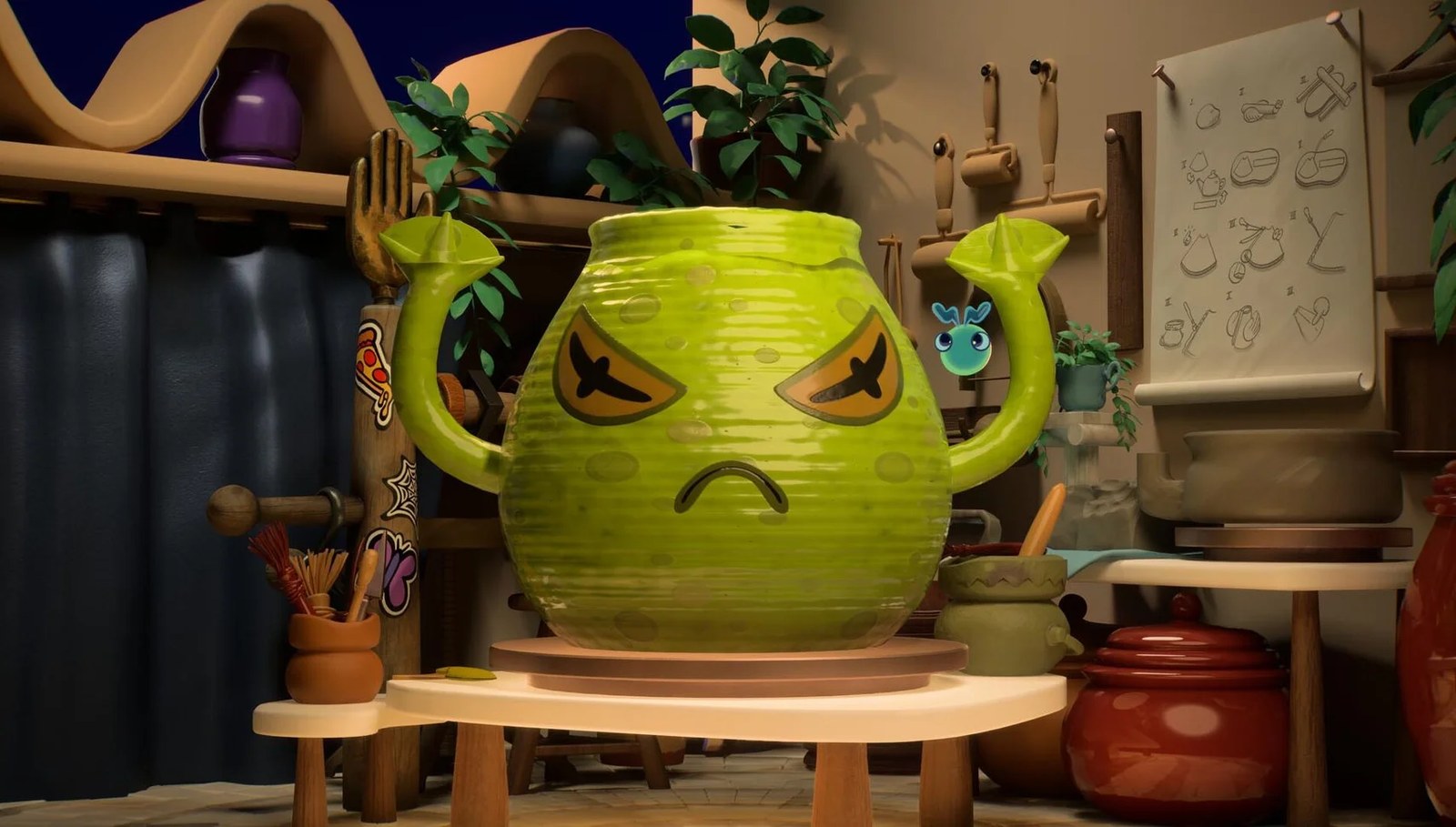
That goodwill extended to the subscription service itself. Schafer is a vocal supporter of Game Pass, arguing that it lowers the barrier to entry for niche and experimental titles. “I love it as an idea,” he said. “I liked it for Double Fine games. If you’re sitting in a store and holding a disc, and it costs $70, and it’s about a walking lighthouse, there’s a barrier there. But if you’ve just got to download a game you’ve already paid for, it might lead people to trying weird games like Double Fine makes. So I’m very pro Game Pass, and hope it succeeds and goes forward.”
Unraveling the Industry’s Economics
Beyond his own studio’s fortunes, Schafer turned his attention to the wider industry, offering a pointed critique of its business model. He confessed that he struggles to understand how game development economics work, pointing to a pattern of layoffs followed by rehiring that he once assumed reflected a natural cycle of ups and downs.
“For years I understood them because there are layoffs – which are bad – and then the executives realise, ‘Oh we fired everybody, we need someone to make this game!’,” he explained. “Then they hire people back. So I assumed there was a cycle of ups and downs, but it’s been down for four years and I don’t know why. I really don’t because people are playing games, people are making money, so I don’t know why there is a big loss of jobs. I assume someone is being greedy somewhere.”
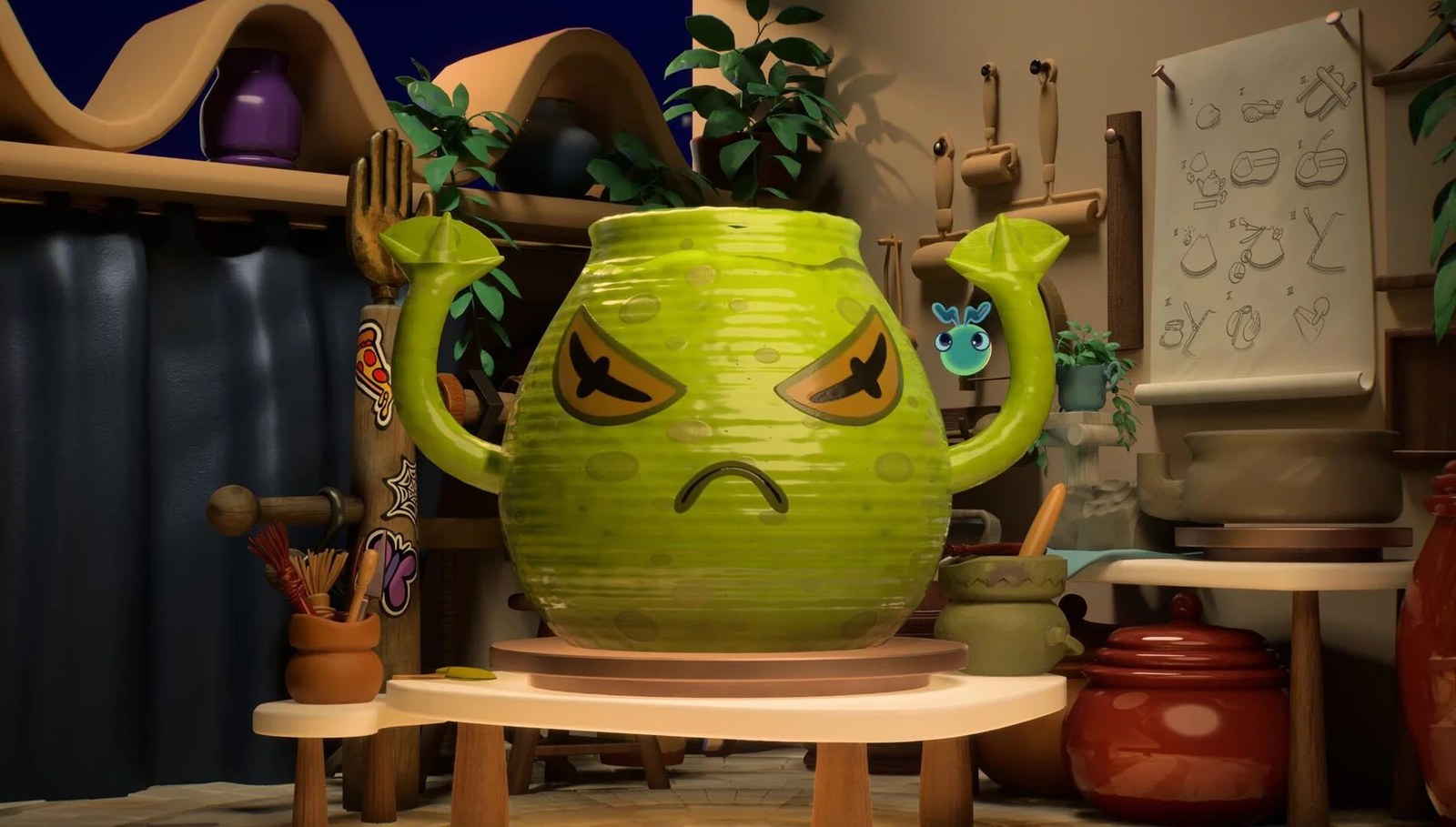
Yet Schafer is not without optimism. He hopes the downturn is indeed a temporary cycle that will eventually rebound, and he remains buoyed by the creative energy he sees across the sector — particularly within the indie space. He was careful not to dismiss larger studios, acknowledging that many triple-A titles accomplish remarkable creative work, even if the environment in which that work happens has grown “a much more violent place to work.”
Looking Ahead
As Double Fine transitions into its independent future, the studio is already keeping busy. It is currently participating in Amnesia Fortnite, a game jam in which its team is creating four smaller-scope games. This year, the projects have been selected by the public through a Kickstarter campaign, and the lineup includes a city builder where structures move like giant robots and fight monsters, alongside a co-operative multiplayer bar crawl dungeon-crawler titled Bard Crawl.
For Schafer, these efforts represent both a creative outlet and a reaffirmation of the studio’s founding ethos — proving that even amid industry uncertainty, the spirit of experimentation and community-driven development continues to thrive.



1 comment
[…] Article: Tim Schafer on Double Fine’s Independence, Game Pass, and the Games Industry’s “Greedy… Kaynak: GameSpot […]